Get Premium access to all the latest content online
Subscribe and view full print editions online... Subscribe

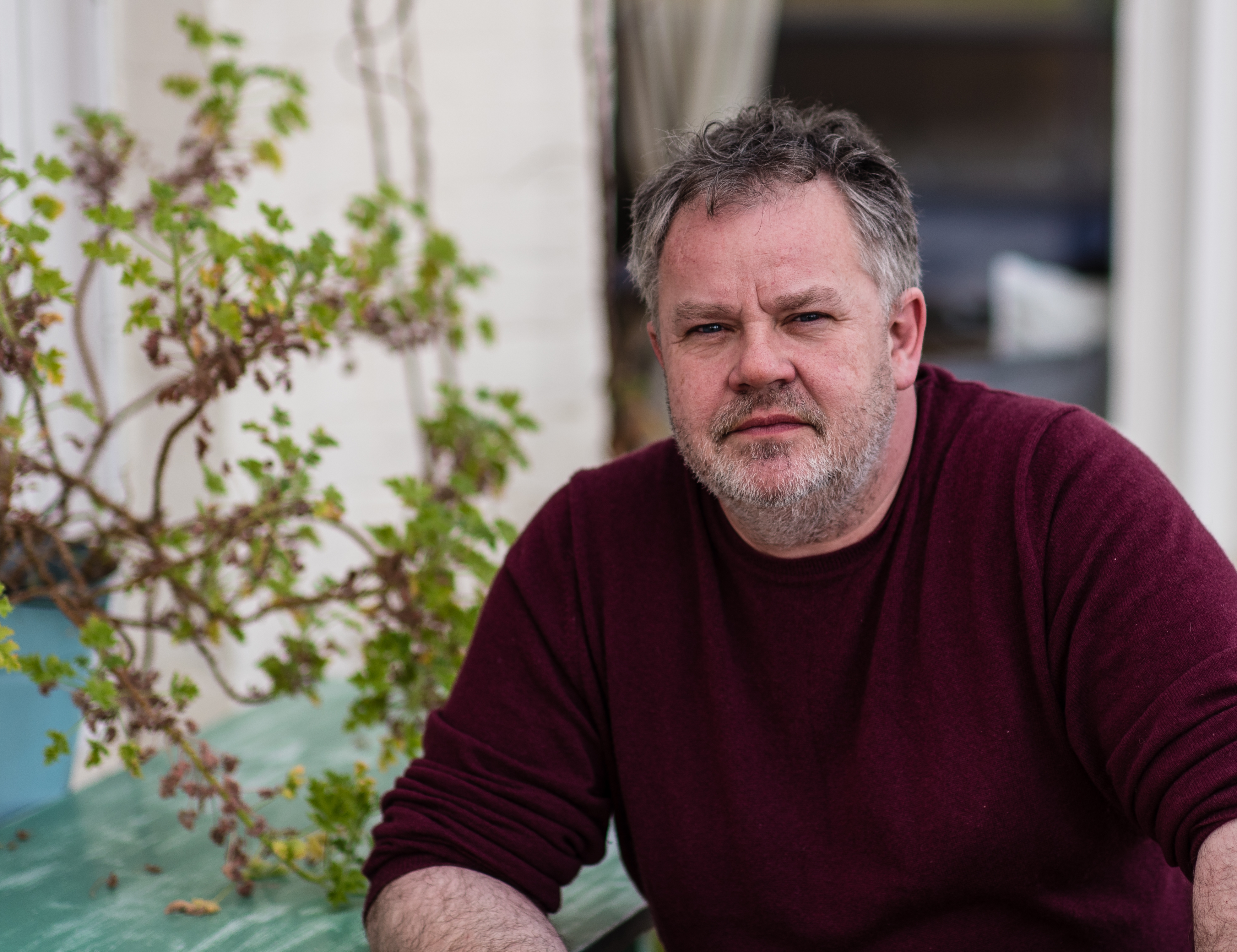
After perfecting his skills at the 'University of Fish', and inspired by the cooking of the greats, Stephen opened The Sportsman in Seasalter, near Whitstable - and kickstarted what became a culinary revolution in Kent.
Words by Alex Mead
This article was taken from the July 2025 issue of Food and Travel. To subscribe today, click here.
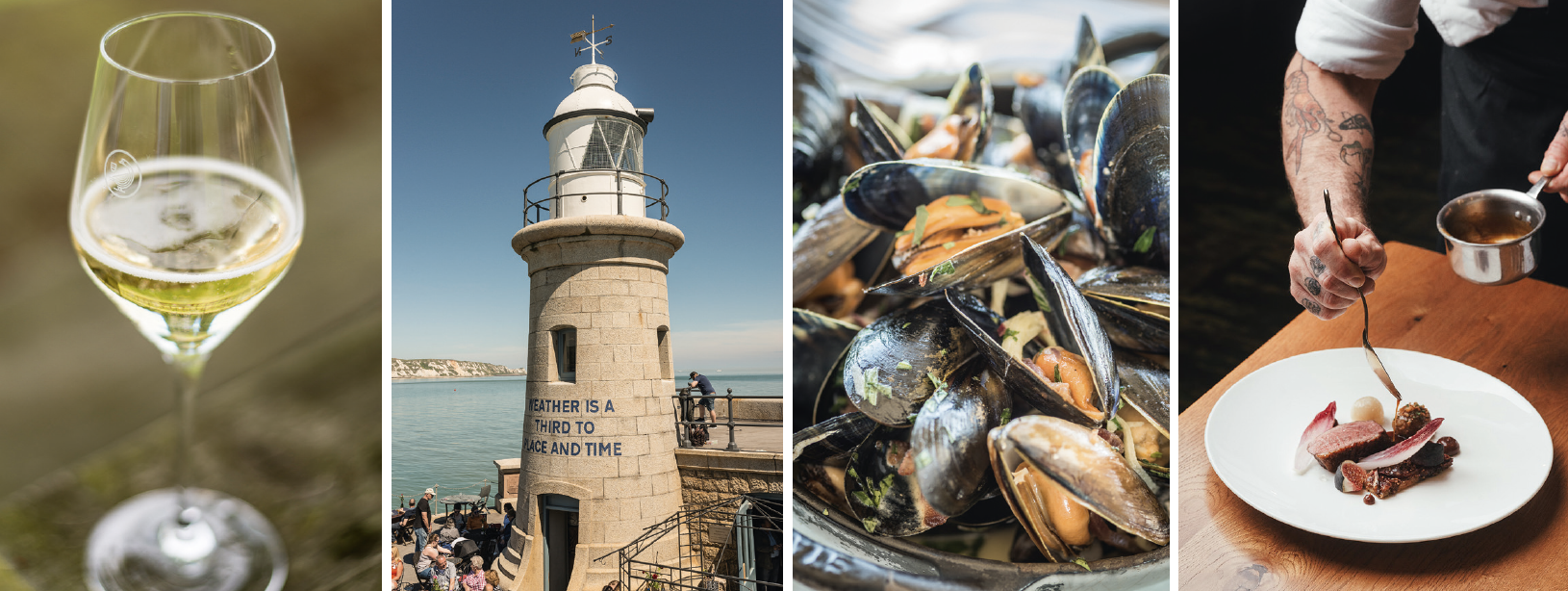
Whitstable and its native oysters have been through the ups and downs of life on the north Kent coast, since the marine molluscs were first harvested back in Roman times. First thriving, then just surviving and now thriving again. ‘The oyster trade was basically busted by the 1960s,’ explains Stephen Harris, chef-proprietor of The Sportsman. ‘A combination of overfishing and disease led to the oyster trade virtually coming to a standstill.’
Oysters had been the lifeblood of Whitstable – and when the Whitstable Oyster Fishery Company was founded as a cooperative in the 18th century, it meant local people had a real stake in it. ‘The whole town revolved around oysters,’ says Stephen. But even when sales dipped, the land and rights were still owned and one local businessman, Barrie Green, decided to buy up the shares. His first big move was to turn the beautiful building on the beach into a restaurant – and that became the Whitstable Oyster Company.
‘Whitstable really took off in the 1980s,’ says Stephen. ’It became this town where, if you came on a certain day in the summer when the weather was lovely, you’d be hooked. I know people who are still here after visiting on a day way back then and never left.
‘Funnily enough, the Whitstable Oyster Company was a big turning point for me too,’ he says. ‘When I worked there I became really good at cooking fish. I’d cook 30 different types of fish, shellfish and various seafoods. I call it the “University of Fish” because it was like a finishing school for chefs.’
Born in Sidcup, Stephen and his family moved to Whitstable when he was six years old. ‘It was a common move to make then, from south London to Kent. ‘Whitstable was a fishing town, but it was a real mix,’ he says. ‘You had the students from Kent University who couldn’t afford to live in Canterbury. You had the fishing families – who I spent a fair bit of time running away from – and there were boat builders as well as a Bohemian, arty crowd.’
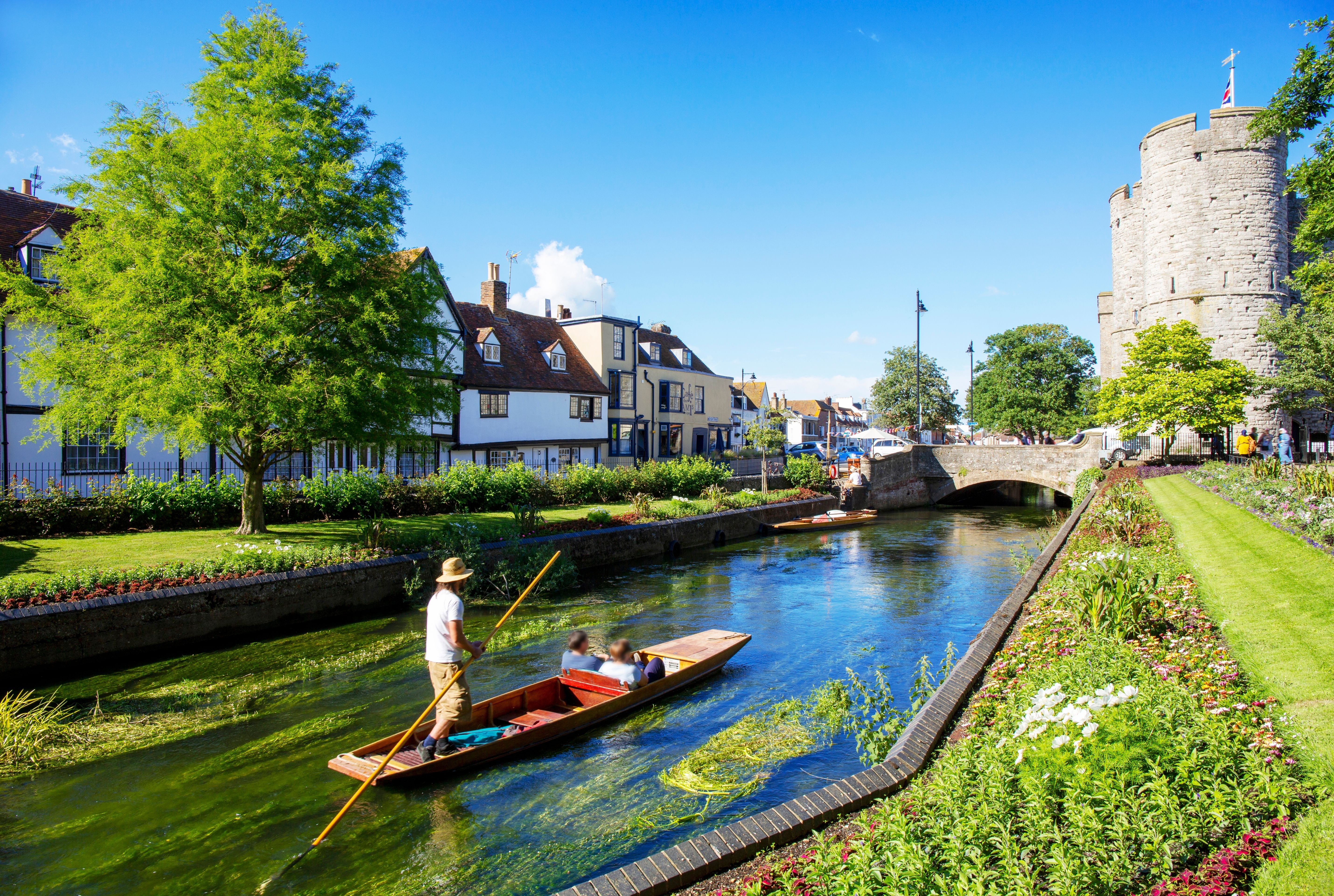
When not being chased by the kids of fishing folk, Stephen was focused on his own dream. ‘I was in a band called The Ignorance, who were on the verge of getting signed up – we had a record company who were paying for us to rehearse and record,’ he remembers. And it was music that informed his decisions: he studied history at King’s College London so he could ‘see bands and hang out in Soho’. In the end, he left university with neither a record deal nor a job to go to and found himself spending six months repairing caravans at French holiday camps.
‘There was a group of us doing it and my job was to buy all the food and cook for everyone,’ explains Stephen. ‘So I spent six months cooking, driving around France and going to markets in all these different towns.’
Work-wise, there was no settling down. After a period teaching, he began ‘flogging pensions and bonds’, which while mundane, paid for him to eat out. ‘I went to the restaurants of all the big names,’ he says. ‘The Roux brothers, Pierre Koffmann, Alastair Little, Simon Hopkinson, the French House when Fergus and Margot [Henderson] had it, and Marco Pierre White.
‘I used their books to learn from,’ he adds, ‘and friends would say, “You should open a restaurant.” But then, all friends say that; they all said my band was really good too.’
Eventually, aged 34, he decided to give restaurants a go after all. He spent four years learning how the restaurant trade worked, while also looking for a place to set up; and it was in his old stomping ground, Whitstable, that he found it during that stint at the “University of Fish”.
‘It was barely open,’ he says of The Sportsman, when he found it in the late-1990s. ‘It had limped on because it had a caravan park in the back that paid the rent. When we got in here, in 1999, it needed a big refitting job.’
The place did have heritage, though. ‘It’s on the edge of Whitstable,’ he says of The Sportsman – and Seasalter, the village in which it resides. ‘It’s on the beach and, originally, it was a place for people to come to hunt – it’s called The Sportsman because it was a hunting, shooting, fishing kind of place. Then, when people started to take holidays elsewhere, it started to become run down.’
Stephen decided to turn it into something Kent had never seen. ‘I wanted to do similar kind of food [to White, Ramsay et al], with a French angle, but not French – modern British, I suppose you’d call it. But I wanted to do it in a pub in the middle of nowhere, surrounded by fields and with the sea on one side.’
Provenance became everything. ‘It began for me because in Kent you’re by the sea and surrounded by your ingredients. We could get all our fish from the sea out there,’ he says, ‘and there were three farms that were kicking out really good stuff: vegetables, chickens and ducks, pigs, lambs, all of that.
‘Not only have I got the sea and those farms, but up the road we’ve got strawberries, raspberries, cherries, plums, apples, pears – all these things growing all around us.
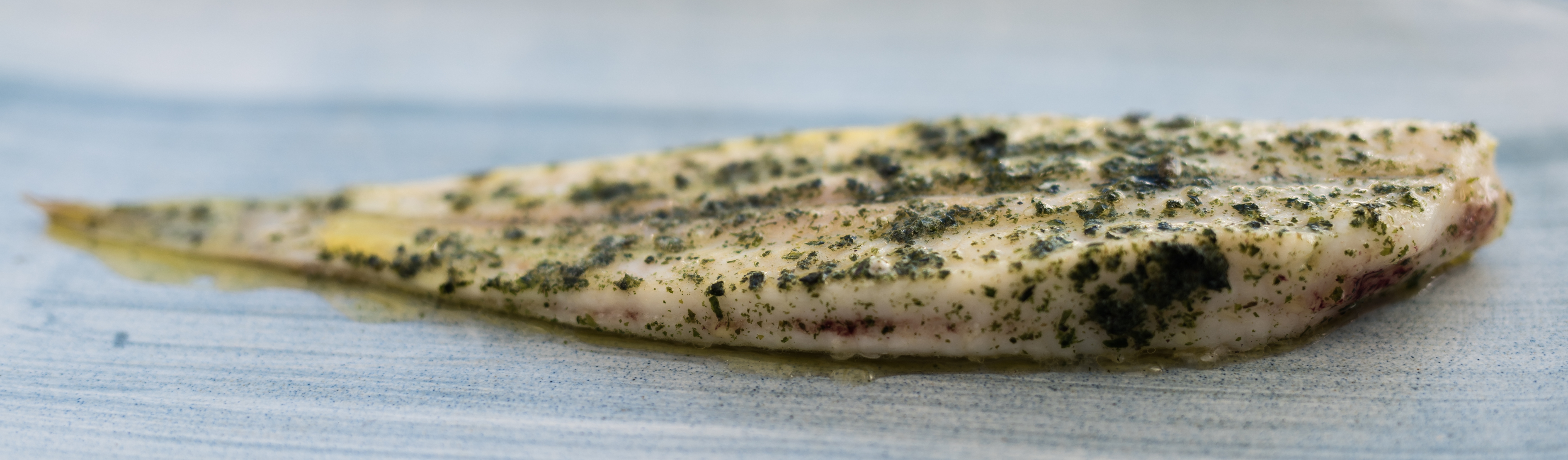
‘And it just seemed common sense to base your food around what surrounds you; I was really into the idea of Pierre Koffmann’s cuisine de terroir, the idea of allowing whatever’s around you to be your palette. A great example is seaweed. No one was using it – imported Japanese seaweed, yes, but no one thought to go to their own beach and use the seaweed there,’ he says. ‘I suppose that what was different about us. And I came up with dishes like the famous slip sole in seaweed butter.’
Word of The Sportsman soon spread, tempting in reviewers and award-givers. And, slowly, the rest of culinary Kent has started to come to life, maximising the local produce. ‘Ed Wilson from London’s Brawn has opened Sargasso,’ says Stephen. ‘It’s a lovely place to go and have a drink and some seafood. Then there’s the Fordwich Arms, an old arts and crafts pub that Dan Smith, who used to work at the Clove Club, took over with his wife, Natasha. They’ve got a Michelin star – a very well deserved one.
‘Updown Farmhouse [restaurant with rooms], near Deal, just round the coast, is a lovely idea, and a bit further down the coast in Hythe there’s a place called Hide and Fox, which just got its second star – the first two-star restaurant in Kent and really good food,’ he adds. There’s also the wine. ‘When I first moved down here, the word in the trade was Kent sparkling wine was going to be amazing,’ he recalls. ‘But I had a bottle of Gusbourne rosé a few years ago that absolutely blew my mind. I just thought, “Wow, this is fantastic.”’
And the best thing about Kent? ‘I think the fruit is incredible,’ he says. ‘Just two miles up the road, I can pick up a tray of the best strawberries you’ve ever tasted. In Japan, there’s a whole thing about the perfect strawberry – they cost around four quid each. I tried one recently and thought, “Yeah, it’s a good strawberry... But we’re just spoilt here.” Kent is about as good as you get.’
STEPHEN HARRIS' KENT HOTSPOTS
THE BLUE PELICAN, DEAL This place took me by surprise. I was slightly worried to hear it was doing Japanese food, but the chef, Luke Green, really knows his stuff, having worked in Japan for five years. thebluepelican.co.uk
HARBOUR STREET TAPAS, WHITSTABLE This is at the end of my road and we started taking our son Stanley there from a young age to teach him how to go to restaurants. It worked, in part, because the staff are so nice. harbourstreettapas.com
THE BRIDGE ARMS, BRIDGE I like going here with my son when his mum is not about. They even bring a bottle of malt vinegar to our table because they know he loves to put loads on his chips. The food is very good. bridgearms.co.uk
CAFÉ DES AMIS, CANTERBURY Despite the French-sounding name, it’s a Mexican that has been doing great food for over 30 years. All the locals know about it and it’s always buzzing. cafedez.com
UPDOWN FARMHOUSE, DEAL I always hear great things about the rooms at Updown Farmhouse, a ten-minute drive inland from historic Deal. The food is good and worth a trip. updownfarmhouse.com
ELMLEY NATURE RESERVE, ISLE OF SHEPPEY I stayed at this nature reserve – they have all different types of accommodation – for my birthday. Waking up looking out over the beautiful landscape was a real treat. elmleynaturereserve.co.uk
Subscribe and view full print editions online... Subscribe