Get Premium access to all the latest content online
Subscribe and view full print editions online... Subscribe

In the first of a two-part Wines of Bourgogne feature, Chris Orr highlights Chablis, a classic French wine whose cool, mineral notes brighten everyday moments
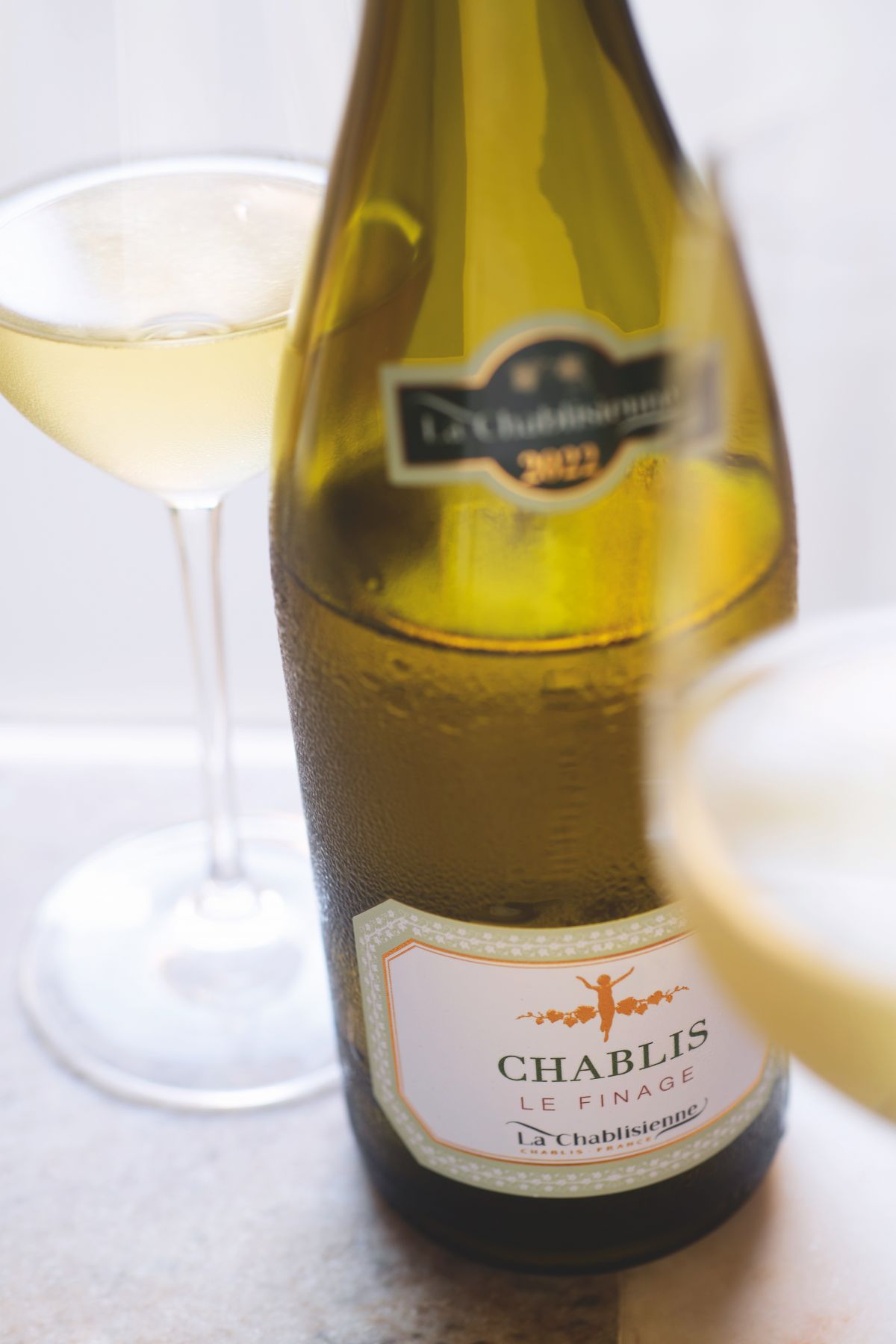
There’s a certain magic in a glass of Chablis. Bright and elegant, with a crisp, clean freshness, it captures the spirit of its north Bourgogne home perfectly. Every sip tells a story of limestone soils, cool breezes and centuries of winemaking tradition, making Chablis not just a wine, but an experience – one of clarity, charm and effortless beauty. Chablis is effectively the benchmark for purity and precision, showing just how versatile the chardonnay grape can be. Its minerality, zestiness and chic style make it the wine equivalent of a little black dress – fit for any occasion, from the office party to a romantic dinner à deux.
Celebrated for its liquid minerality, it has long been recognised as a resolute symbol of French terroir, rooted in centuries of tradition and crafted with skill. At the same time, however, its very pedigree can lead to the assumption that it has to be expensive, overly exclusive, perhaps reserved only for the top echelons of wine appreciation – but this couldn’t be further from the truth, as anyone who has explored its diversity, accessibility and broad range can testify. Moreover, Chablis is widely available in the UK, in mainstream supermarkets, local wine shops and online.
Another misconception is that more than one grape variety can be used, when in fact Chablis is always 100 per cent chardonnay. Unlike many other chardonnay wines from around the globe, though, for the most part it tends not to be oaked; and all wines bearing this moniker must be made in the strictly demarcated appellation and region of Chablis – situated in a northern pocket of the Bourgogne region of France.
This region has been making interesting wines from the chardonnay grape for thousands of years. Vines were cultivated in the Serein Valley area as early as Roman times, thanks mainly to Emperor Probus, who allowed the replanting of vines in the 3rd century AD, after they had been banned by his somewhat temperate predecessor, Emperor Domitian, in the 1st century AD. The name Chablis draws its roots not from the Romans, however, but from the local Celts, and is believed to derive from the Celtic words cab (meaning ‘house’) and leya (meaning ‘near the wood’).
It was in the 9th century that Benedictine monks were gifted the village of Chablis and, within two centuries, the Benedictines, along with the Cistercian order of monks, had played pivotal roles in establishing it as a centre of winemaking excellence, and began to build its reputation across France and, over time, Europe.
Over the centuries, there have been upheavals, including devastating vine diseases and frost in the 19th and 20th centuries, but the region rebounded through perseverance, technological advances and mechanisation. In 1938, the Appellation d’Origine Contrôlée (AOC) for Chablis was established, protecting the name and setting standards for its single permitted grape, chardonnay. Modern Chablis, as we know it, was born.
At the table, it can be served with the simplest or most sophisticated of dishes, from salad to lobster thermidor – thanks to its crisp acidity, it can cope with a surprising breadth and depth of cuisine: take a look at the pairings on these pages for inspiration, whether you’re creating an exciting dinner party menu or planning a casual supper with friends around the kitchen table.
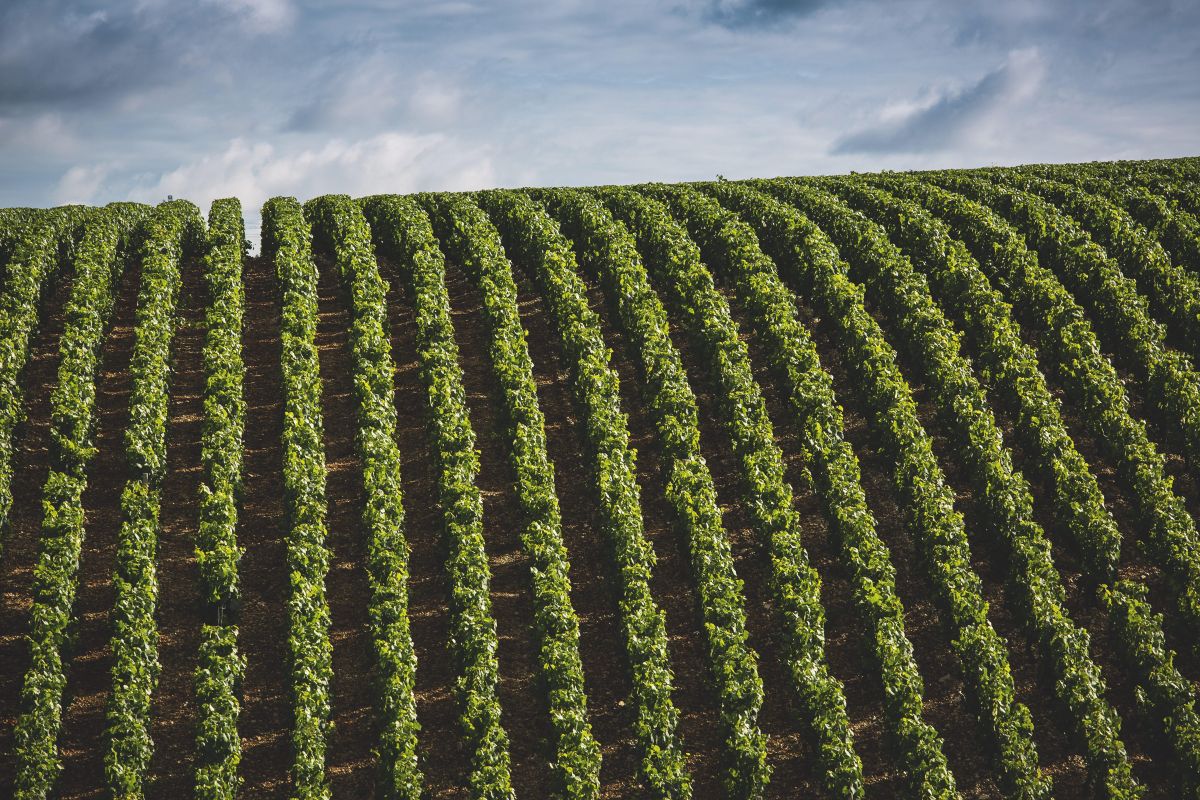
So what makes Chablis and the myriad wines that are produced every year in its 5,800 hectares of vineyard so special? What makes a household favourite, celebrated across the globe? Effectively, Chablis is a singular expression of chardonnay, produced as a pure example of the grape variety, usually without any exposure to oak – naked as the day its juices were pressed and vinified. Alongside the single grape, the area’s climate and soil combine to form a holy trinity. The vines are cultivated in a semi-continental climate, marked by cold winters and warm summers, which virtually guarantees slow ripening of the grapes, and this in turn preserves the classic acidity and freshness that the wine is so prized for. Beneath the surface, Chablis itself sits on a bedrock of Kimmeridgian limestone, a 150-million-year-old subsoil packed with rich, fossilised marine life. These unique soils help impart the distinctive minerality and flinty saline characters that are the hallmark of Chablis. Combined, these three elements – grape, climate and terroir – alongside meticulous winemaking are able to deliver an impressive spectrum of aromas, from simple citrus and white flowers to subtle hints of stone, flint and oyster shell. On the palate, lemon, pear, and green apple typically pair with mineral and steel notes.
How to tell which style or level of Chablis will suit you best?
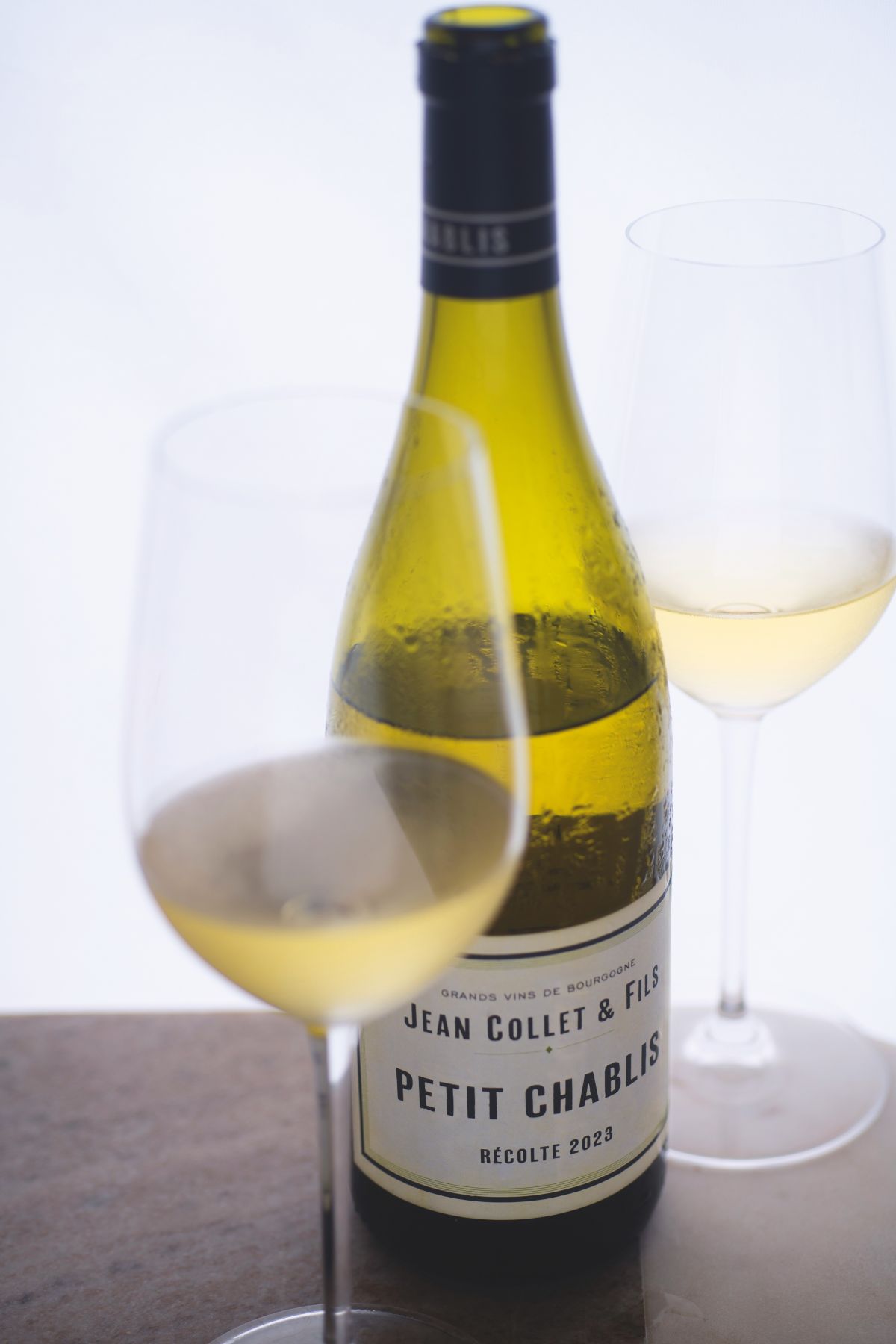
That’s where the AOC system comes in, having divided Chablis into four main appellations. First, at the base level is Petit Chablis, which comes from vineyards usually grown on higher ground towards the outskirts of the region, on younger Portlandian rather than pure Kimmeridgian soils. Petit Chablis tends to be the most affordable level – easy-going, attractive and charming but still with that crisp, clean minerality and citrus hallmarks that pair so well with lighter dishes, like delicate fish, seafood or salads.
The next level up are the wines bearing the simple moniker of Chablis, whose vines are grown in the heart of the region on pure Kimmeridgian soils that produce a more distinct and elemental minerality. The quality is a step up, with more complexity and interest, but for a relatively modest price increase.
Then there is Chablis Premier Cru. These wines come from 40 designated Climats or vineyard sites, which are recognised for their higher quality and ability to produce more complex, age-worthy wines. They offer multiple layers of depth and flavour and a richer, rounder experience.
And, finally, the pinnacle of the region, Chablis Grand Cru – selected from seven prized Climats on the right bank of the River Serein. Powerful, nuanced and built to age, these are the most complex and sophisticated embodiments of the Chablis style.
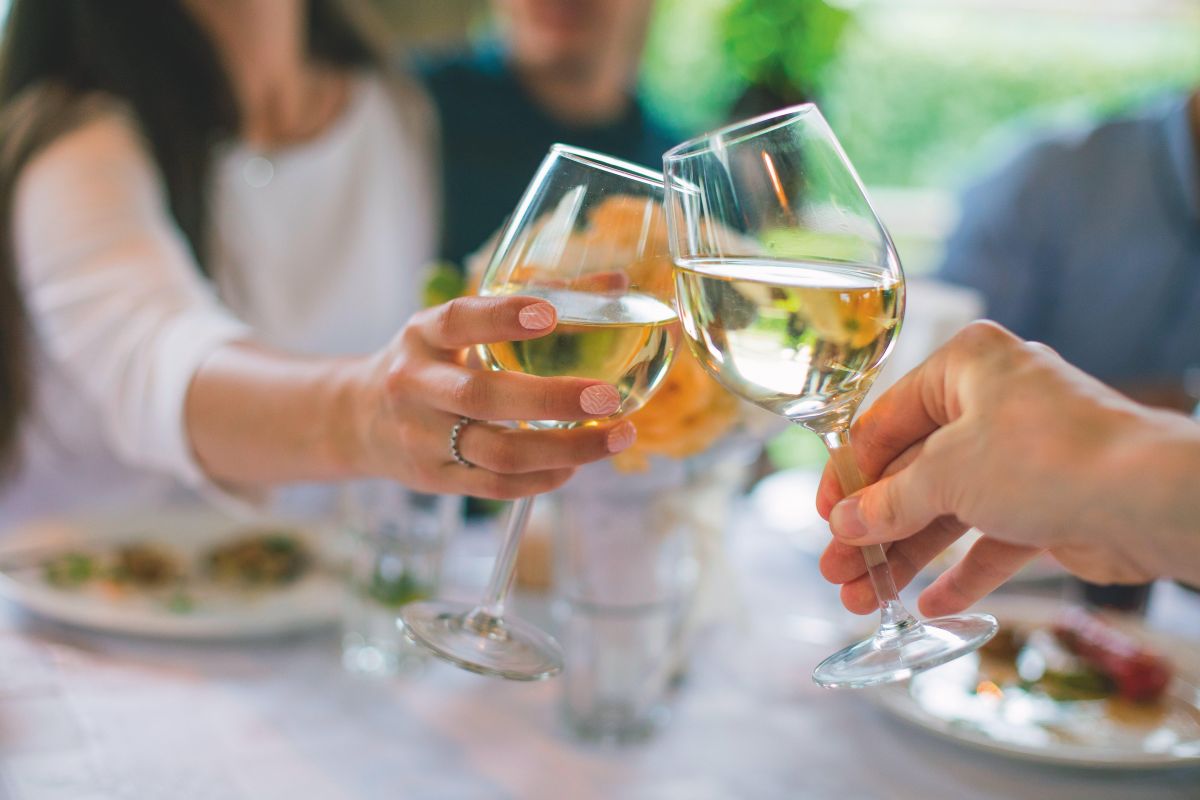
Which means anyone who assumes Chablis is an expensive wine reserved for wine connoisseurs will be pleasantly surprised to find it both accessible and versatile, either as a match for a wide variety of dishes, or to enjoy as an apéritif, or simply sip by the fire with a good book. Most importantly, you don’t have to be an expert; you don’t have to be dressed for a special occasion with a five-course tasting menu in front of you; you just have to enjoy a good glass of wine. This wine of heritage, terroir and timeless appeal is the perfect partner to many of life’s simple, and not so simple, pleasures.
For more information visit chablis-wines.com or head to @feelingbourgogne on Instagram.
You don't have to be an expert... Ultimately, Chablis is a wine of hertiage, terrior and timeless appeal and the perfect partner to many of life's simple, and not so simple, pleasures





Photos by BIVB/Aurélien Ibanez; BIVB/Sébastien Boulard; The Chablis Tonnerrois Tourist Office; Shutterstock
Subscribe and view full print editions online... Subscribe