With its unhurried, welcome ambience, the capital of Uttar Pradesh is a place of high culture and cuisine, where even street food can be exquisite. Words and photography by Anubhuti Krishna. This article was taken from the Christmas 2025 issue of Food and Travel.
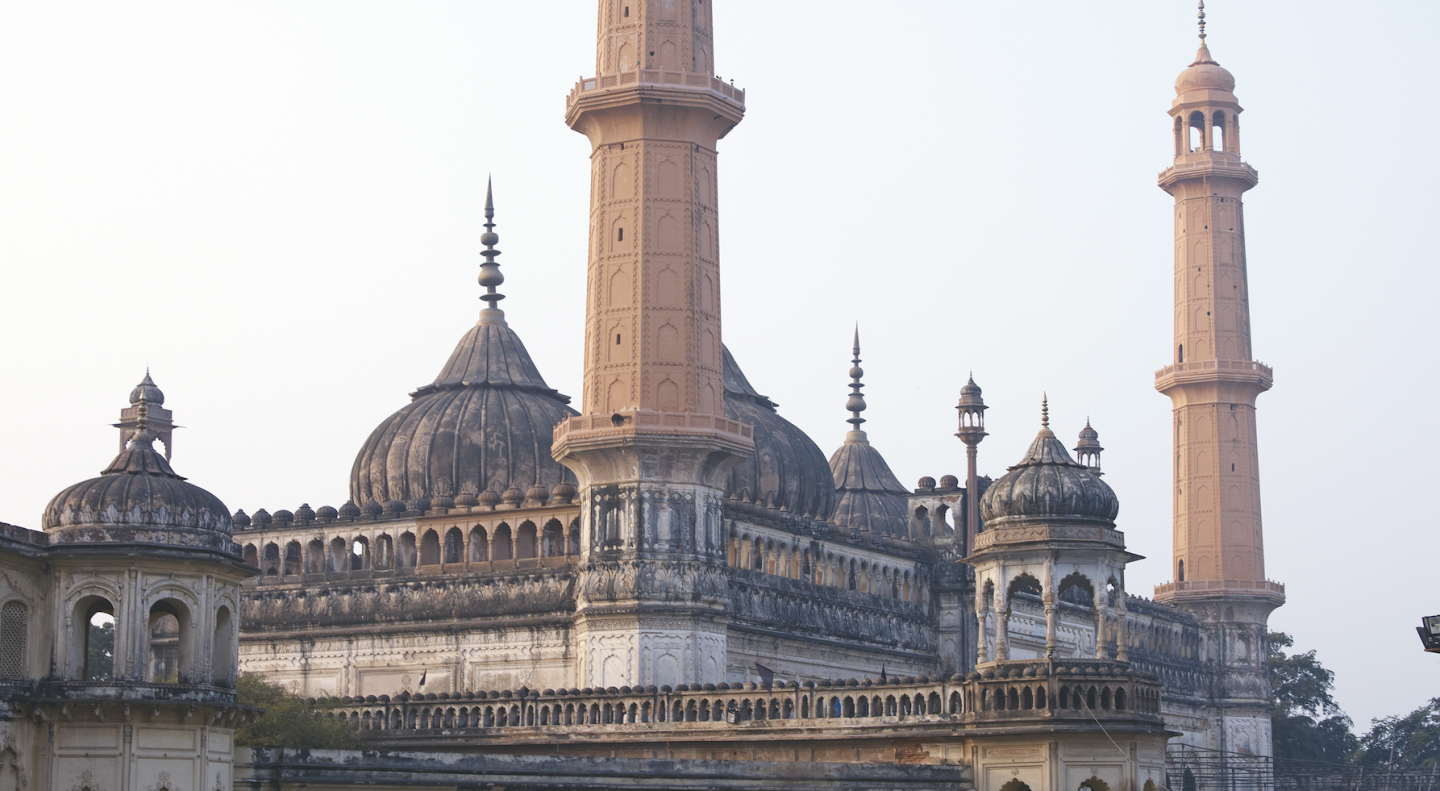
Known as the City of Nawabs, Lucknow is the capital of India’s most populous state, Uttar Pradesh. Established as the capital 250 years ago by the nawab Asaf-ud-Daula, Lucknow continues to be a city fit for royalty. Once compared to Paris, Rome and Byzantium, it not only cherishes its cultural heritage but also keeps it alive – be it through its people, who are warm, unhurried and generous, the handicrafts that have been passed down for generations, music that has takers throughout the world or a cuisine known for its delicate flavours, beautiful aroma and lingering mouthfeel. Lucknow’s streets, bazaars and homes transport you back to a time when lives were not rushed and homes were always open to visitors.
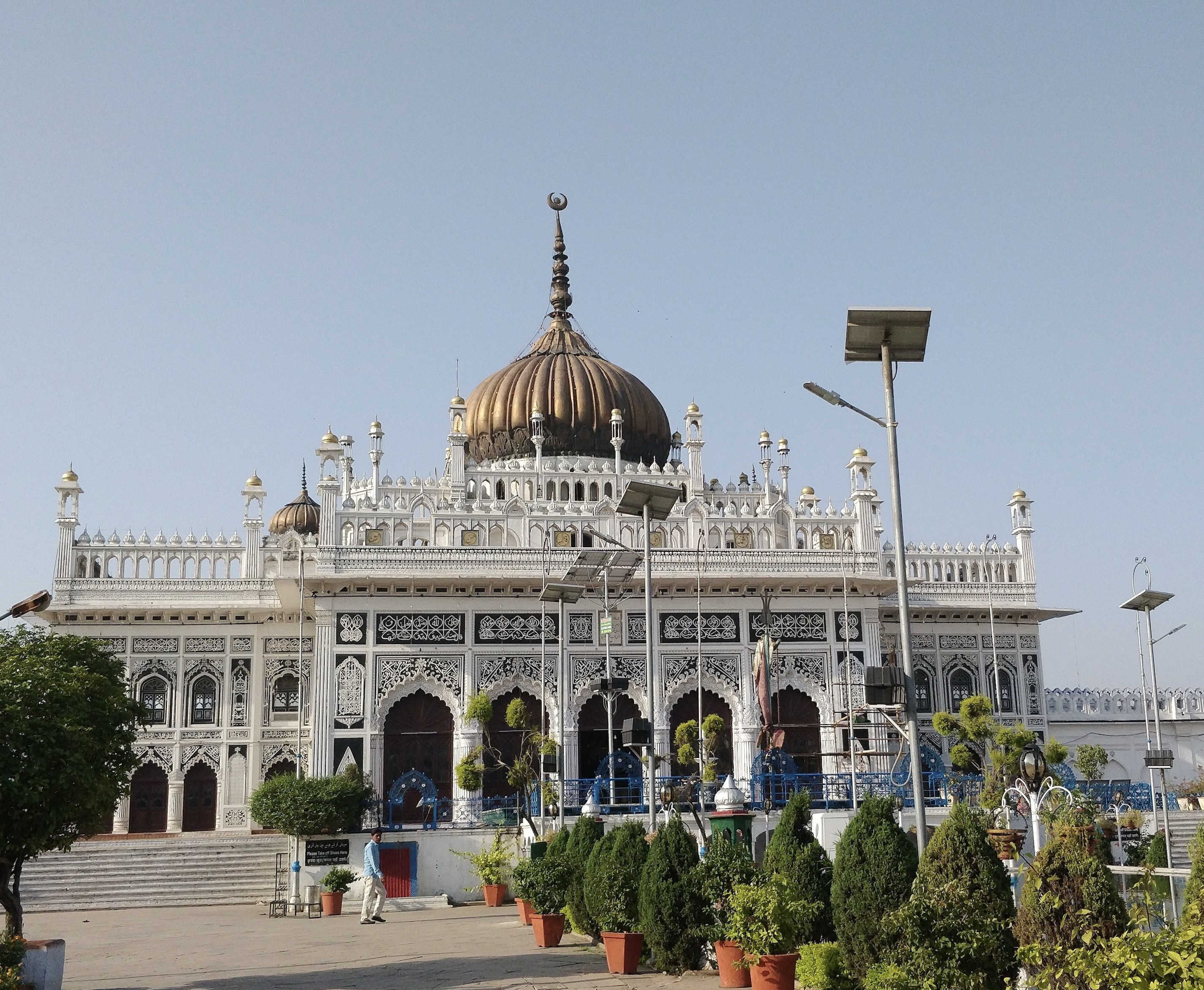
Chota Imambara
Lucknow was not always culturally so rich. Until just a few centuries ago, the city was a dusty marketplace where food grains were traded. The humble granary was transformed in the late 18th century by Persian rulers who orchestrated a cultural renaissance in the region.
The rise of Lucknow coincided with the decline of the Mughal capital, Delhi. This resulted in the migration of some of the finest of Delhi’s craftsmen, musicians, poets and cooks to Lucknow, and here, under the patronage of the Nawabs, their crafts flourished. Silverwork, hand embroidery, poetry, music, dance, art and architecture rose to a peak in the 18th and 19th centuries and the city became the epitome of high culture. Alongside this, its cuisine became increasingly sophisticated; cooks created culinary marvels that had not been seen before – pulavs with ‘pearls’ made of egg white and edible silver, fire-roasted meats that had whole chicken and eggs stuffed in them, and desserts made with the finest quality milk, cream and butter. While some of these delicacies have been lost to time, a great many continue to thrive in Lucknow’s kitchens – be it the mouthwatering galawat ke kabab, delicate biryani or the large variety of sweet dishes.
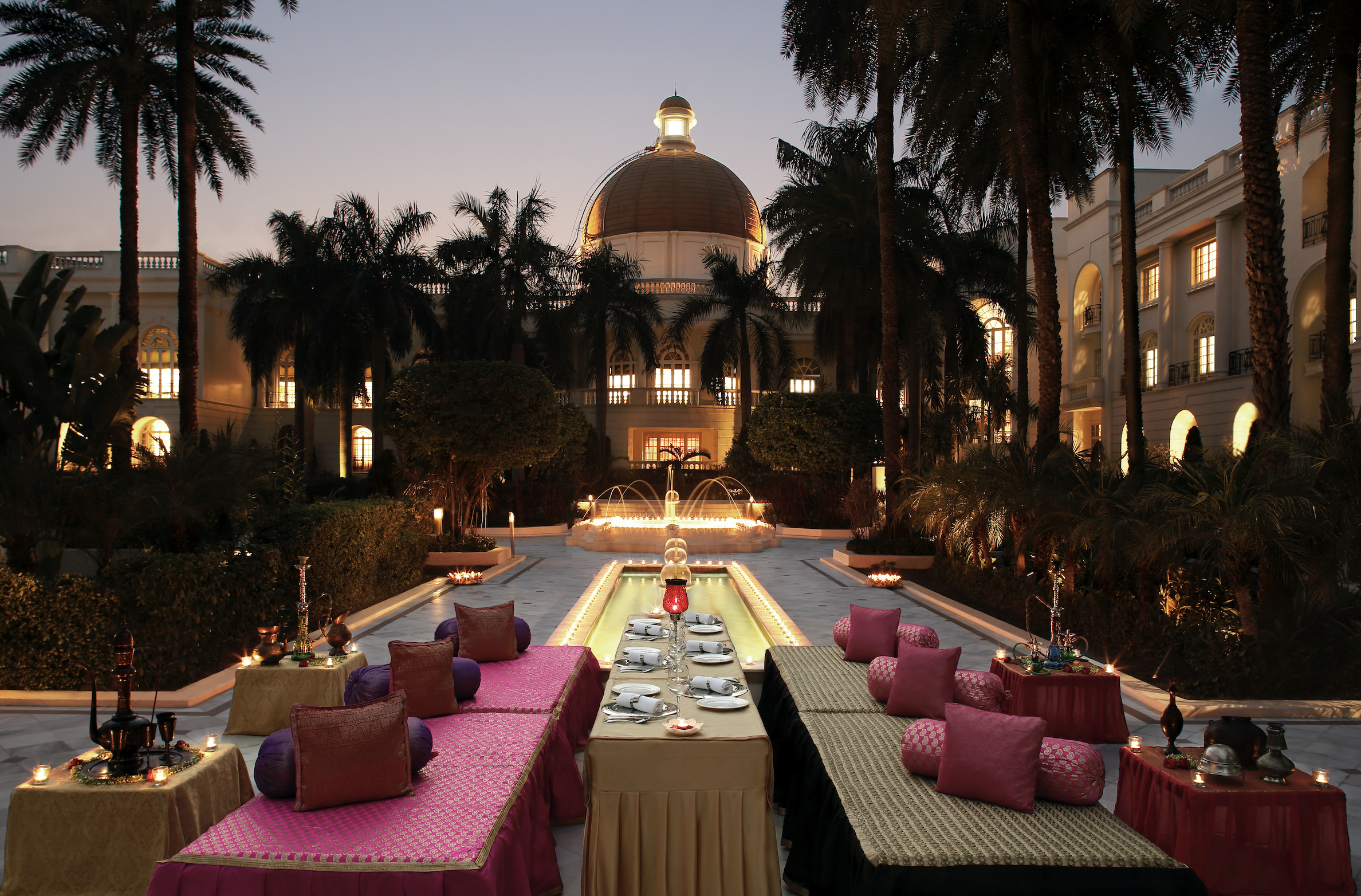
Taj Mahal, Lucknow
What to do
Where to stay
Lucknow’s hotels reflect its cultural heritage and the inherent warmth of its people. Taj Mahal, Lucknow in upmarket Gomti Nagar harks back to the city’s glorious architecture with a large dome, curvilinear lobby, tall windows and an enviable collection of portraits of the Nawabs. The group is set to add another property to the luxury offerings in the city too. tajhotels.com
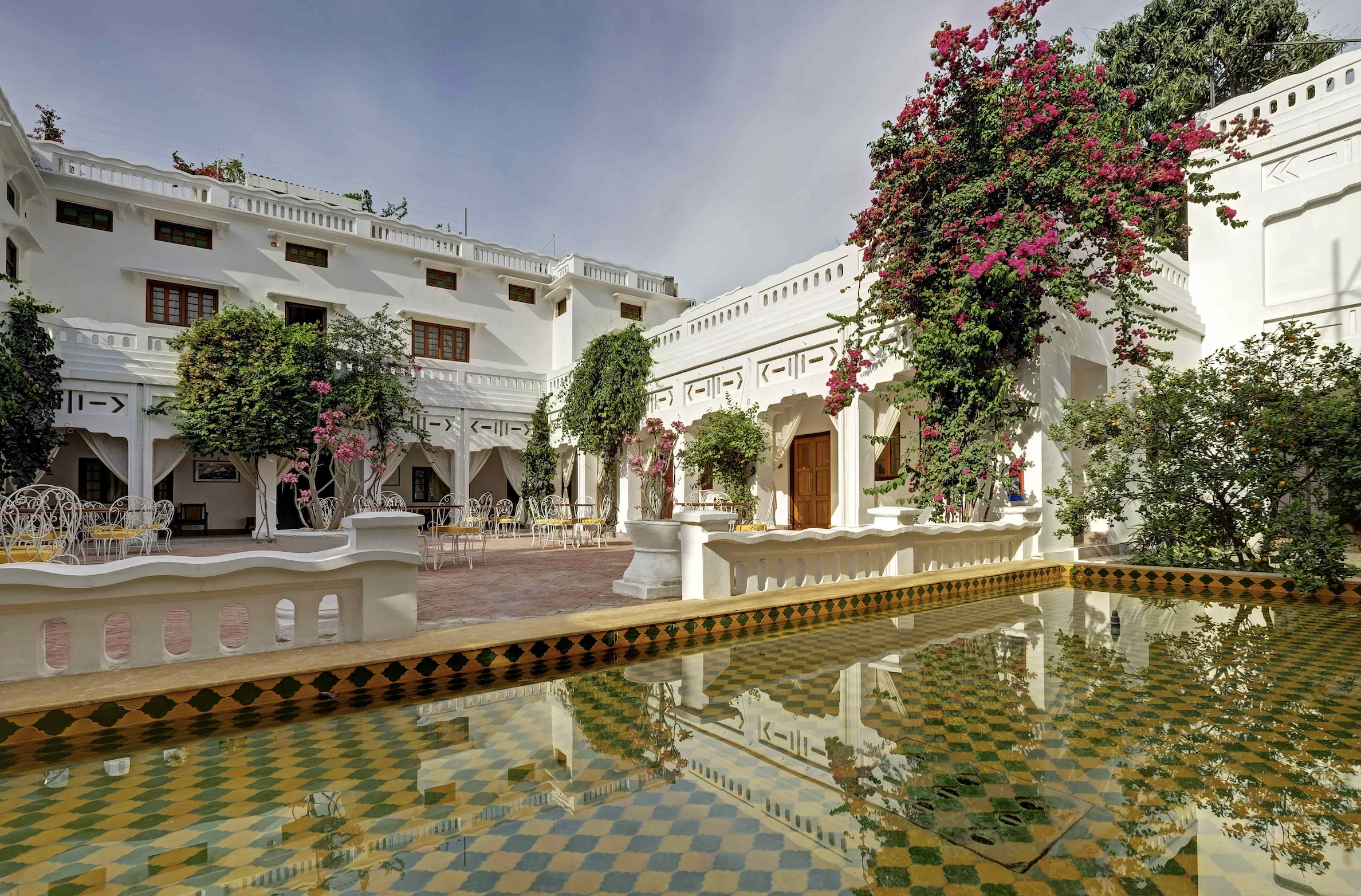
Saraca Hotel, the city’s only heritage hotel, is a restored 20th-century mansion, complete with arches, courtyards and gardens that bring the Lucknow of yore to life. saracahotels.com
Mid-range La Place Sarovar Portico offers comfort while being in close proximity to all significant landmarks. Familiar international names like Hyatt, Marriott, Radisson and Renaissance are all centrally located and well priced. sarovarhotels.com
The city has begun warming to homestays too, with many heritage homes now being converted to cosy b&bs. Bilgram House, in the old city, provides a comfortable stay, with three individual suites that come with sitting rooms and kitchenettes, just a stone’s throw from the city’s major sights. Maqbara27 located in the elite Hazratganj, is a restored 19th-century home with traditional red oxide flooring, arched doorways and a private garden: ideal for those looking to experience an authentic Lakhnavi lifestyle. airbnb.co.ukbooking.com
Saraca, Lucknow
Where to eat and drink
Standing in the heart of India’s most fertile belt, Lucknow experiences distinct seasons, each bringing its own produce and specialities. Winter sees bater, or quail cooked in mellow spices; nimona, a spicy stew of green peas; and malai makhan, a soufflé made of milk foam; summer is filled with khatti dal, lentils cooked with raw mango; salans, meat curries with seasonal vegetables; and kulfi, a hand-churned frozen dessert made with thickened milk, pistachios and saffron. And then there are the perennials – chaat, kabab and biryani – that Lucknow is most popularly known for.
The best introduction to the city’s food scene is through its chaat. As Debashish Kar, who runs curated food experiences, puts it, ‘Chaat cuts across class, religion and social standing, bringing everyone together at the humble street stall.’ Shukla Chaat Bhandar in Hazratganj is where here commends tasting aloo ki tikki, (potato patties dressed with tamarind sauce and yogurt), matar (boiled white peas served with and ginger) and pani ke batashe, deep-fried spheres of whole wheat eaten with spicy water.
Breakfast is big in the city – expect dahi-jalebi, sweetened yoghurt with deep-fried batter spirals, and khasta, fried bread with a lentil filling. Netram Sweets in Aminabad, founded in 1854, and 200-year-old Ram Asrey in Chowk are favourite haunts of connoisseurs. Chowk is also where malai makhansellers congregate on winter mornings to offer the delicacy, hand-churned in winter dew. netramsweets.comramasrey.com
Tunday Kababi in Nazirabad Road has been synonymous with Lucknow for over 100 years and is known for its galawat ke kabab, a pâté-like, melt-in-the-mouth patty made with buffalo or goat’s meat; or try the mutton qorma curry, flavoured with mace, clove, cardamom and nutmeg, with ulte tawe ka paratha, a griddled flatbread. Cross the street to Prakash ki Kulfi for a kulfi to wash it all down. tundaykababi.com
For finer dining, head to Oudhyana, which has preserved classic recipes like kareli (fire-roasted lamb shank), kakori kabab (tenderised minced meat chargrilled on skewers) and varqi paratha, shallow-fried bread; together they tell tales of the city’s layered cuisine. +91 52267 11000
‘Lucknow loves its local food but the younger generation are also looking for something new,’ says chef Taiyaba Ali, who turns chaat, qorma and local breads into tarts and tacos. She hosts pop-ups at homestay Bilgram House (see Where to stay), run by her mother Farah Deeba, who provides home-style meals to both in-house guests and travellers.
The founder of Sassy Canteen at Metro City Centre, chef Himani believes modern dining spaces do well only if they stay true to the city’s culinary legacy – her chicken kali mirch (black pepper) brioche, a mix of traditional and modern, has earned a legion of fans.
Time running out?
Map
Travel Information
Travel Information
Getting There
Resources
Average daily temperatures and rainfall
Jan
Feb
Mar
Apr
May
Jun
Jul
Aug
Sep
Oct
Nov
Dec
Min Temp
Max Temp
mm
Get Premium access to all the latest content online
Subscribe and view full print editions online... Subscribe