Italy's vibrant northern metropolis boasts a thriving, constantly evolving gastronomic scene - explore it in the charming district of Porta Romana. This article was taken from the December 2025 issue of Food and Travel.
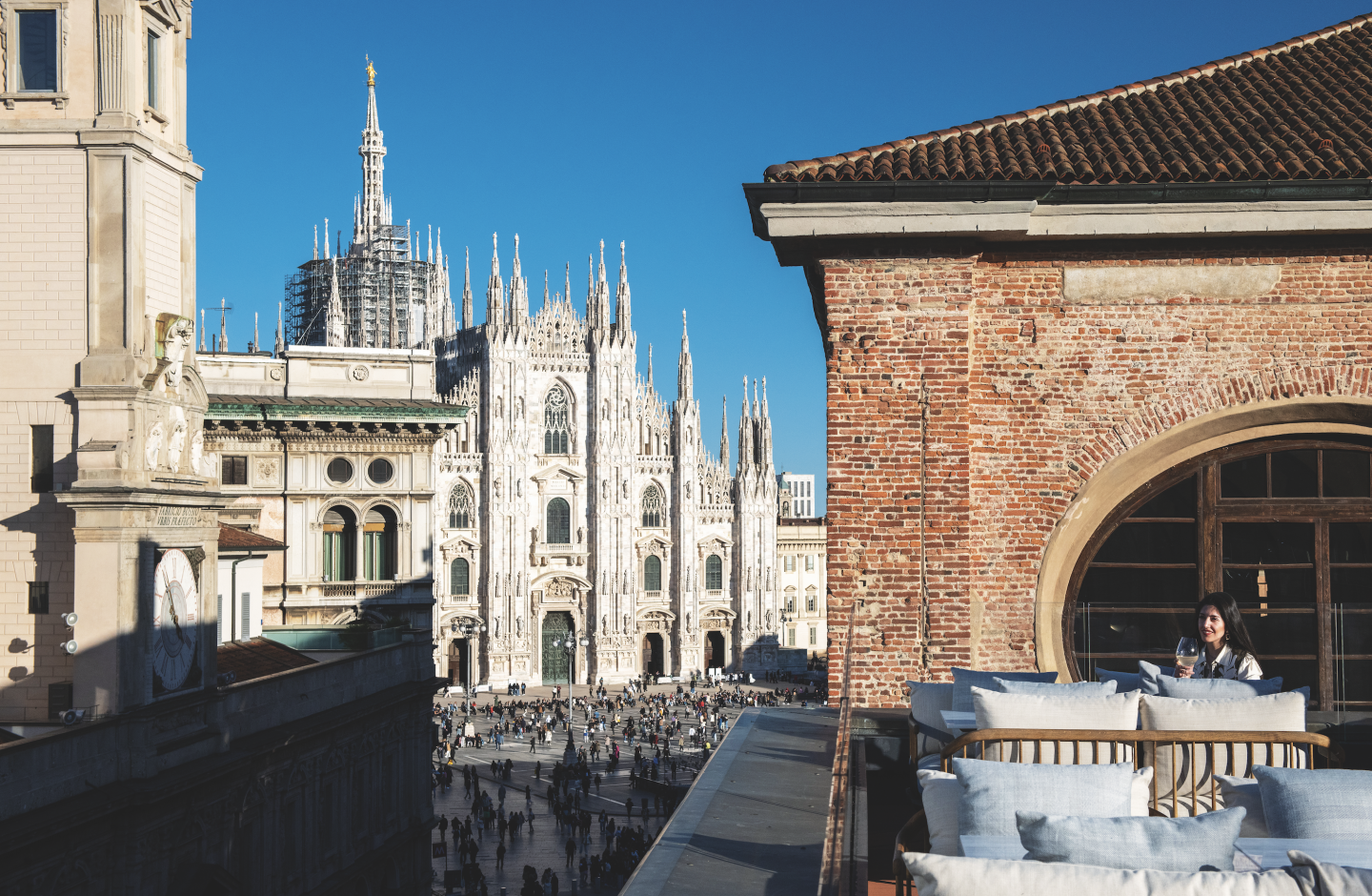
For decades regarded as a northern industrial hub, Milan is now a city of style, culture and innovation, and this year proudly assumes its role as one of the host cities for the 2026 Winter Olympics. Restaurants in Italy’s economic powerhouse open and close as food trends come and go, with a handful of stalwarts surviving the maelstrom. One district epitomising Milan’s food scene is Porta Romana, a residential neighbourhood that is home to Bocconi University, to the southeast of the historical centre, with buzzing restaurants, bars and cafés. Come Friday morning, locals descend on the market in Via Cremia and Via Piacenza, where stalls groan under the weight of fresh greens and fruits, cheeses and local cold cuts.
THE HISTORY
Milan is the capital of the Lombardy region in northern Italy, situated in the Po Valley at a strategic location between the Alps and the Po River. Historically, its strategic geographic position at a crossroads of trade routes made it a vital centre for commerce and culture. Milan’s history as a northern capital dates back to the Western Roman Empirefrom 286 to 402 AD. Monuments of that era worth tracking down include the Colonne di San Lorenzo and the Basilica di Sant’Ambrogio, a 4th-century romanesque church. Later, Milan became the centre of the powerful Duchy of Milan during the Renaissance and during the second half of the 18th century it was known as the capital of the Italian Enlightenment.
Milan’s most iconic landmark is the gothic-style Duomo, with its intricate statues, gargoyles and spires – built over six centuries and finally completed in 1965. This is also a city of castles and waterways; few will know this used to be a city of water – its main thoroughfares once canals that connected the city to the nearby lakes. Leonardo da Vinci, who called Milan his home for over 20 years, is credited with designing the canals’ locks and dam systems to improve navigation for larger vessels. During his time here, he also set to work on what was to become one of the city’s main attractions: The Last Supper, which adorns the walls of the refectory of the Church of Santa Maria delle Grazie.
Credit: Marina Spironetti
What to do
Where to stay
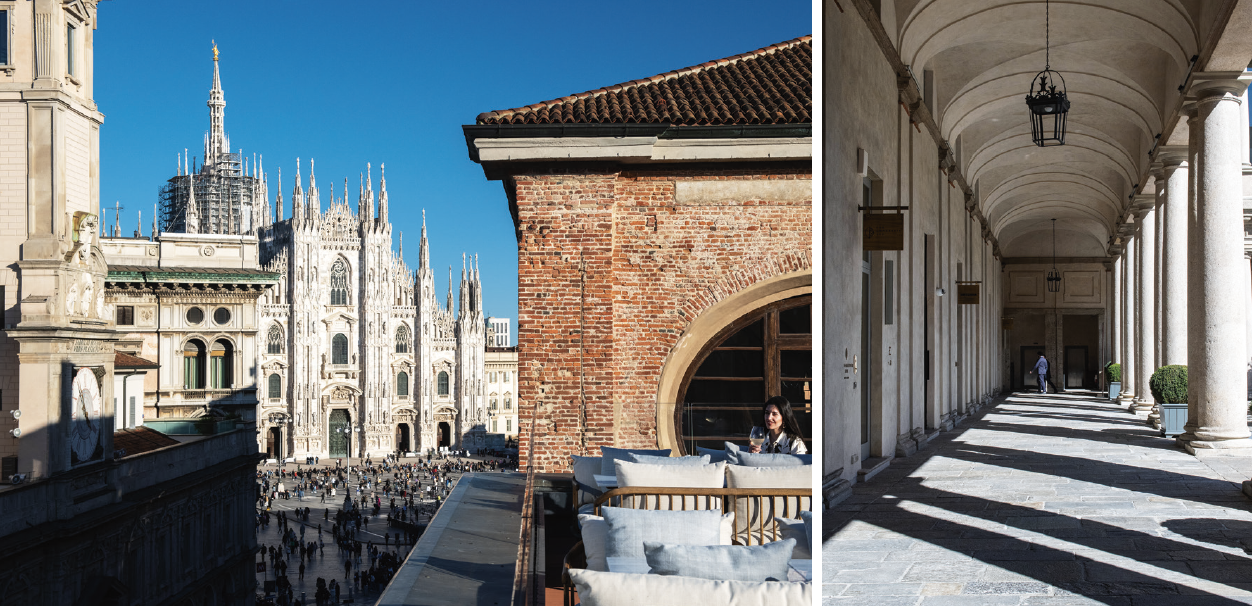
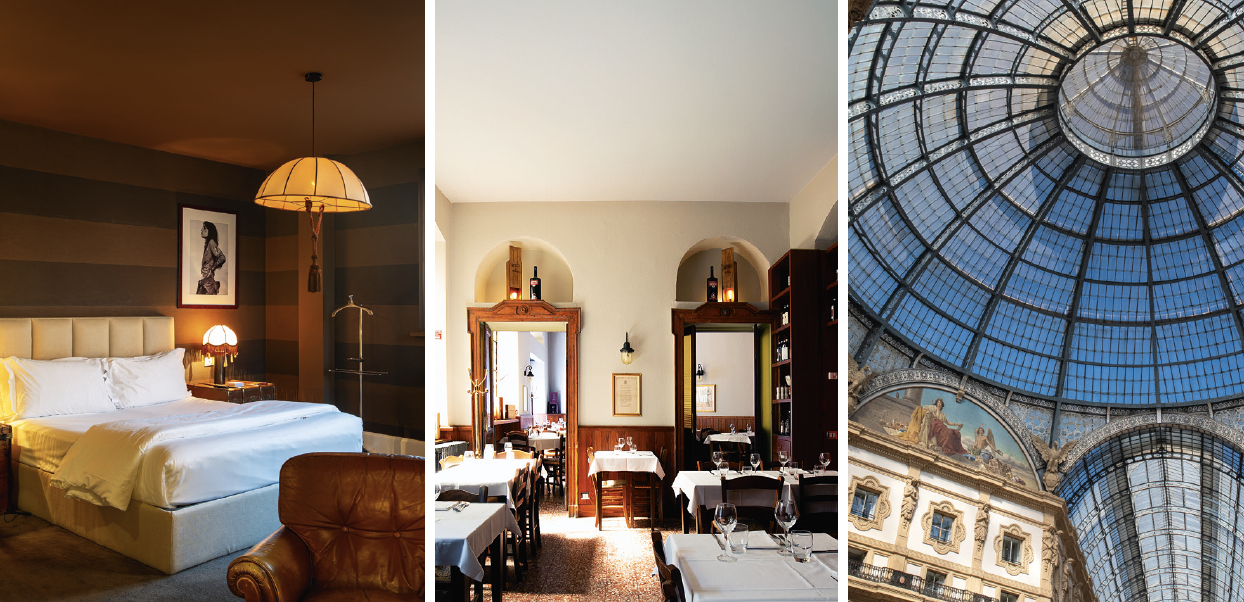
Hotels in the city don’t come cheap, although hidden away in some pockets you’ll find some great little boltholes exuding plenty of character. A favourite is Aethos Milan, a hip spot with a popular drinking hole – the Doping Bar – where you’ll find a Milanese crowd sipping cocktails inspired by the city’s iconic neighbourhoods. aethos.com
A ten-minute stroll away is Vico Milano, a gorgeous boutique hotel set in a palazzo that was once a fashion showroom. It’s all fluted woods and bold hues, with leafy succulents and rugs and handicrafts acquired by the owner from distant travels. Rotating photographs and paintings by local artists adorn walls, while bathrooms are clad in emerald green, pink and terracotta Moroccan tiles. In the evening, nip down to the stylish bar to nibble on freshly prepared bites as you sip wines from sister property and wine estate Castello di Vicarello. vicomilano.com
At Senato Hotel, the colour scheme is more subdued, with black, white and brass tones prevailing in the neoclassical palazzo, while rooms are airy and uncluttered. At the small, ground-floor Senato Caffè you’ll find superb dishes prepared with seasonal produce. As you peruse the menu, you’ll notice links to producers’ websites that work closely with the restaurant – a great way to read up on the origins of each ingredient carefully sourced from small producers. senatohotelmilano.it
Credit: Marina Spironetti; Dongiò
Where to eat and drink
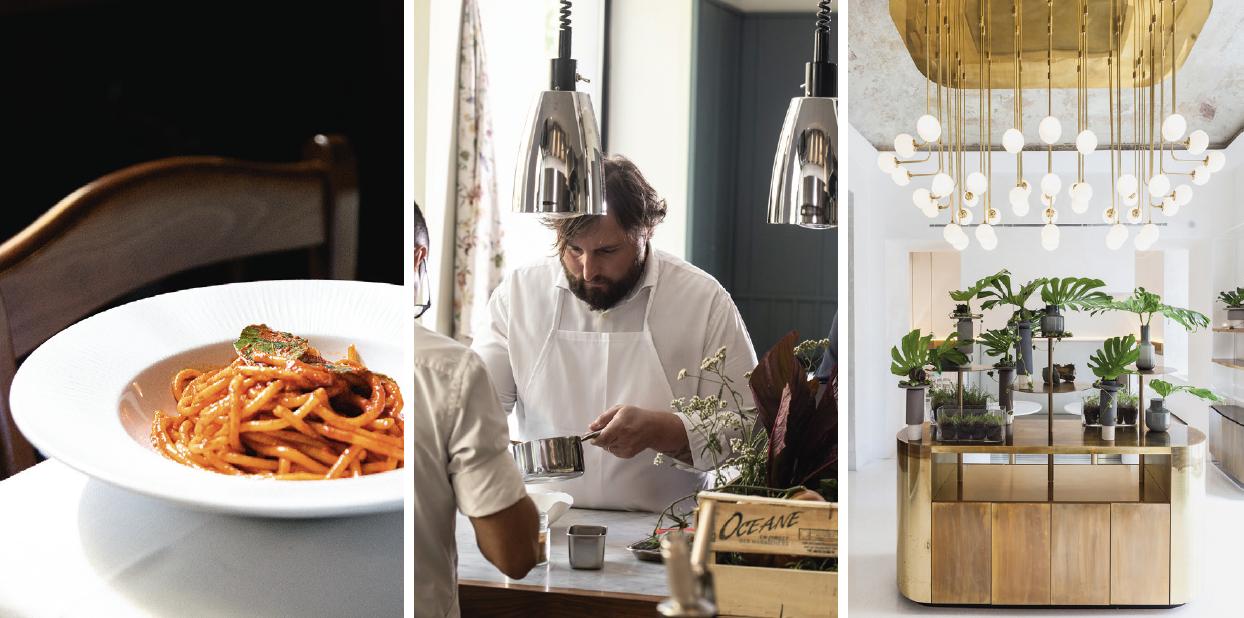
As with most Italian cuisine, the region makes the most of simple, local ingredients, and one of the best ways to get a real flavour for the produce is at Porta Romana’s Farmers’ Market, accompanied by Luca Natalini, the talented chef behind Autem, which offers a ‘Take me to the market’ cooking masterclass. Luca accompanies participants to select freshproduce together, shedding light on sustainable practices, the value of raw ingredients, avoiding waste and how best to select local, seasonal ingredients from small, high-quality producers. Back at the restaurant, the chef guides the group to create a dish using the seasonal produce they have carefully picked at the market. ‘I don’t create the menu – the ingredients do,’ explains Luca, who follows this approach to the letter: his restaurant does not have a printed menu; all you’ll find is a sheet of paper made with coffee husk waste, where the chef jots down his creations based on what produce he has found on the day.autem-milano.com
At nearby Particolare, chef Andrea Cutillo also practises root-to-shoot and nose-to-tail cuisine in a bid to minimise waste. Roasted vegetable scraps are used to make stock, mushroom stems are dried, infused and boiled to make broth, while tomato skin and turnip peel are dried and ground into powder with strong, concentrated flavours and bright hues, lending colour to his creations. Lombardy’s star dish – risotto – always features on the menu, with ingredients regularly changing according to what’s in season. ‘I want to pay homage to a city that I have called my home for 15 years,’ explains Andrea. In summer, expect the likes of Parmigiano Reggiano risotto prepared using fish and shellfish broth (made with leftover shells), dehydrated pesto (made with parsley and basil oil leftovers), vegetable charcoal and prawns. Come winter, you’ll find the likes of porcini mushroom risotto with red prawns and thyme-flavoured butter, with co-owner and sommelier Luca Beretta on hand to suggest pairings from a wine list that features over 250 wines. particolaremilano.com
A stalwart of Porta Romana’s dining scene is Dongiò, run by the family of the same name, who have been serving up flavoursome Mediterranean dishes with strong Calabrese influences for nearly 40 years. ‘This area has changed hugely since we opened our doors in the 1980s. It was once a neighbourhood of craftsmen, carpenters, cobblers and ironmongers; we were one of the very few restaurants in the district. We’re the ones who introduced ’nduja to Milan in 1992 – no one had heard of it before,’ says Antonio, who masterminds the restaurant dishes alongside his sister Monica. The spicy sausage from Calabria is a key component in the restaurant’s signaturespaghettoni alla tamarro, made with homemade pasta, red chicory,tomatoes and ricotta forte,resulting in a creamy dish with a kick.dongio.it
One of Porta Romana’s most popular spots is Trippa, which has recently taken the neighbourhood by storm(booking essential). From the kitchen of chef-owner Diego Rossi come the likes of grilled bone marrow or neighbouringPiedmont speciality vitellotonnato: thinly cut veal coated in a tuna and caper sauce. The star ingredient here, though, is offal: both fried andstewed tripe are regulars on the menu. trippamilano.it
Credit: Dongiò; Alessio Vallese; Roberto Holden
Words by Kiki Deere.
Time running out?
Map
Travel Information
Travel Information
Getting There
Resources
Average daily temperatures and rainfall
Jan
Feb
Mar
Apr
May
Jun
Jul
Aug
Sep
Oct
Nov
Dec
Min Temp
Max Temp
mm
Get Premium access to all the latest content online
Subscribe and view full print editions online... Subscribe