
Words by Jo Davey, photography by Gary Latham
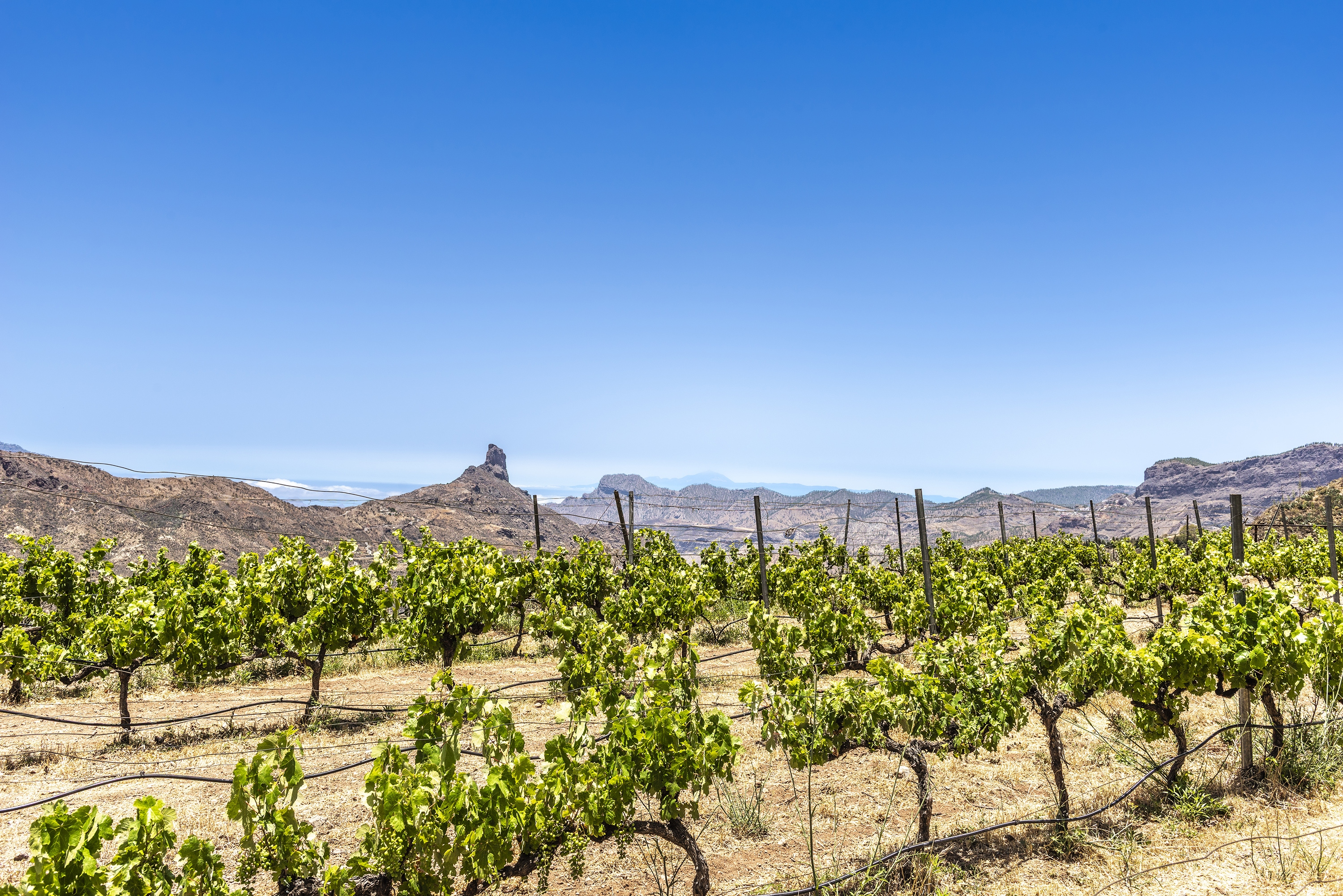
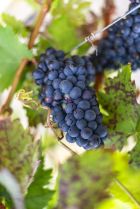
Cristóbal Guerra pads barefoot between his vines at Vega de Gáldar. Dominated by the perfect grey cone of Montaña de Ajódar, the soil in this north-west region of Gran Canaria can reach a punishing 60C. By letting nature grow wild, Cristóbal has cooled the mineral-rich dirt to a bacteria-friendly 27C. His delightful eccentricity – he’s an artist first and winemaker second – lends a maverick, magical element to his wines. As he walks, he lifts handfuls of dirt to his pencil moustache, sniffing for a rich, fertile forest scent. He eats a sweet grape from a loaded bunch and declares it has nine degrees of sugar. ‘Two weeks,’ he pronounces before moving on.
Cristóbal is part of Gran Canaria’s new winemaking elite, combining old methods with emerging ideas. Although historically famous for its Malvasia wine, beloved by Shakespeare, Gran Canarian wine production petered out around the 17th century in favour of Porto and Madeira. Rebuilding from nothing and free from the unbroken traditions of islands like Tenerife, Gran Canaria is experiencing a wine revolution based on experimentation and play. Today, it’s the only Canary Island planting new vines each year.
Vega de Gáldar’s regenerative, biodynamic micro-vineyard is tiny: tidily laid out in a walled back garden, grapes bathed by the relentless sun. Vegetation planted alongside provides micronutrients, humidity and bacteria for the soil, and an all-important diversity of yeasts that bloom and spread on to the grapes. The result? Brettanomyces – the yeast behind those farmyard notes in many natural wines – is kept in check here.
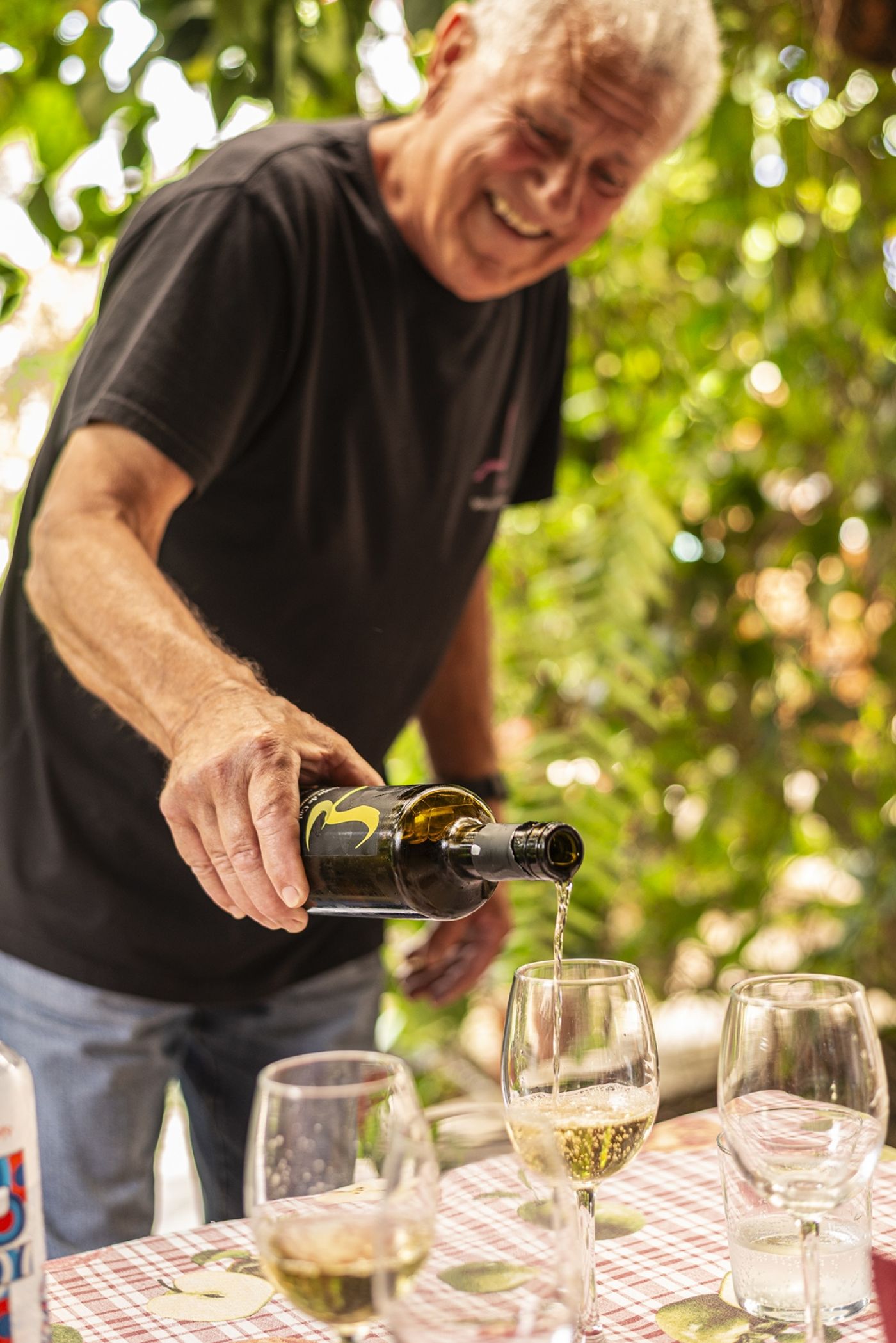
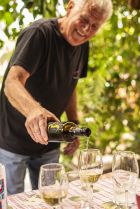
Under an awning of vines, Cristóbal pours El Convento 2024 straight from the vat. The listán negro/castellana negra mix hasn’t even finished its second fermentation and it’s an olfactory riddle. The nose plumes violets and bubblegum, but the palate is cherry, wood and a surprising cream-cheese tang. It’s worlds away from the deeper, farmier notes of the 2021 vintage after nine months in amphora; a moreish, funk-free red.
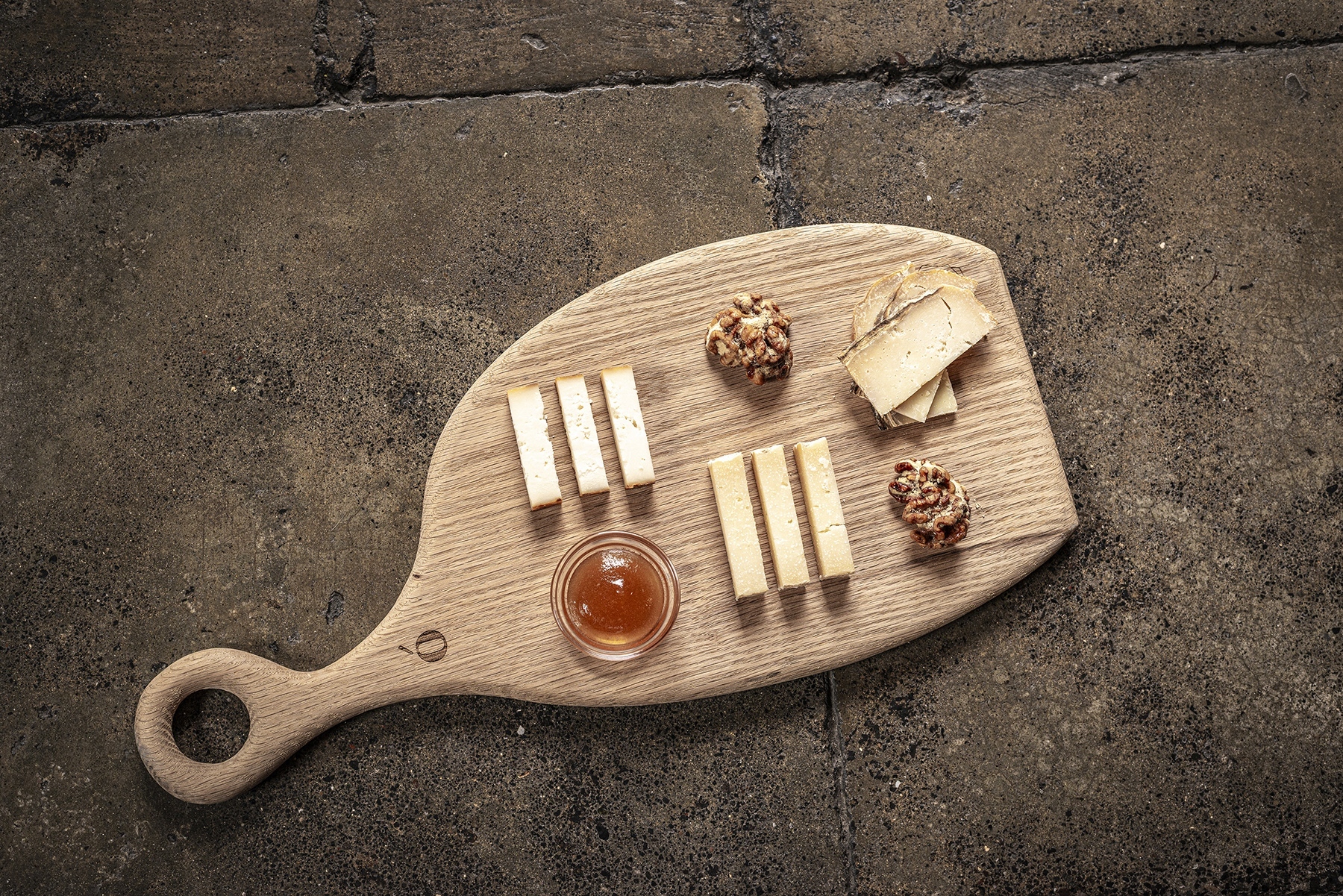
In a good year, Cristóbal produces just 1,500-2,000 bottles from nine grape varieties (four white, five red). Last year, with bad weather and ageing vines, he maxed out at just 600-700. A bottle of Terrumen Castellana Negra 2022, another funfair in a glass, is marked ‘Bottle 50 of 160’ on the side – we’re probably the only people in the world drinking it. When it comes to his Nubia, it’s genuinely upsetting to find out there’s only one bottle left and he’s not selling. This orange wine is incredible: apricots, yoghurt and a buttery caramel reminiscent of Werther’s Originals. It’s paired with an aged cheese that brings another round of unique flavours.
This novelty is catalysed by over 20 native grape varieties that are largely unfamiliar to both foreigners and locals, like listán negro, marmajuelo and vijariego. Then there are the microclimates: temperatures, winds and humidity change from hill to hill. Here, at 90m above sea level, Cristóbal has an entirely different climate from neighbouring growers, never mind the rest of the island.
In the north-east, Mondalón Winery sits in the shadow of a huge caldera, the vines clinging to its mountainside. Just 15 minutes from capital Las Palmas de Gran Canaria, it’s part of the protected Monte Lentiscal wine region, home to most of Gran Canaria’s wineries. Once carpeted in vineyards, the area is now mostly residential, heat pouring off the houses and peeling the paint off stop signs. The wind here is prominent; it took the family business a year to decide vine direction on one slope, based purely on wind alone.
‘Winemaking in Gran Canaria is mainly about where you’re located,’ explains charismatic winemaker Tamara Cruz, who wears homemade bunch-of-grape earrings, her curls fluttering in the breeze. In the shade of a sprawling acebuche tree (‘where we conduct most of our meetings’), she pours a glass of Blanco atop rum barrel tables; the citrine-pale wine has a fabulous tartness.
The Monte Lentiscal region is known for its intense reds, and Mondalón’s Tinto has real darkness to it, with heady smoke, berries and a petrol sweetness. Its beautiful palate stems from Tamara’s deft use of tintilla: a smaller, tannic grape used to balance Canarian reds. In Mondalón’s microclimate, tintilla production now outweighs that of juicier listán negro, the most common Canarian red grape.
Few wineries export abroad; the production is just too small. Mondalón is one of the biggest, producing a modest 18,500 litres annually. But convincing locals Gran Canarian wine is actually good has been an age-old problem. ‘Now it’s a good time: everyone wants to drink and try Canarian wines,’ says Tamara. ‘But ten or 12 years ago, I had to cover the name Gran Canaria on the bottle so locals would give it a chance.’
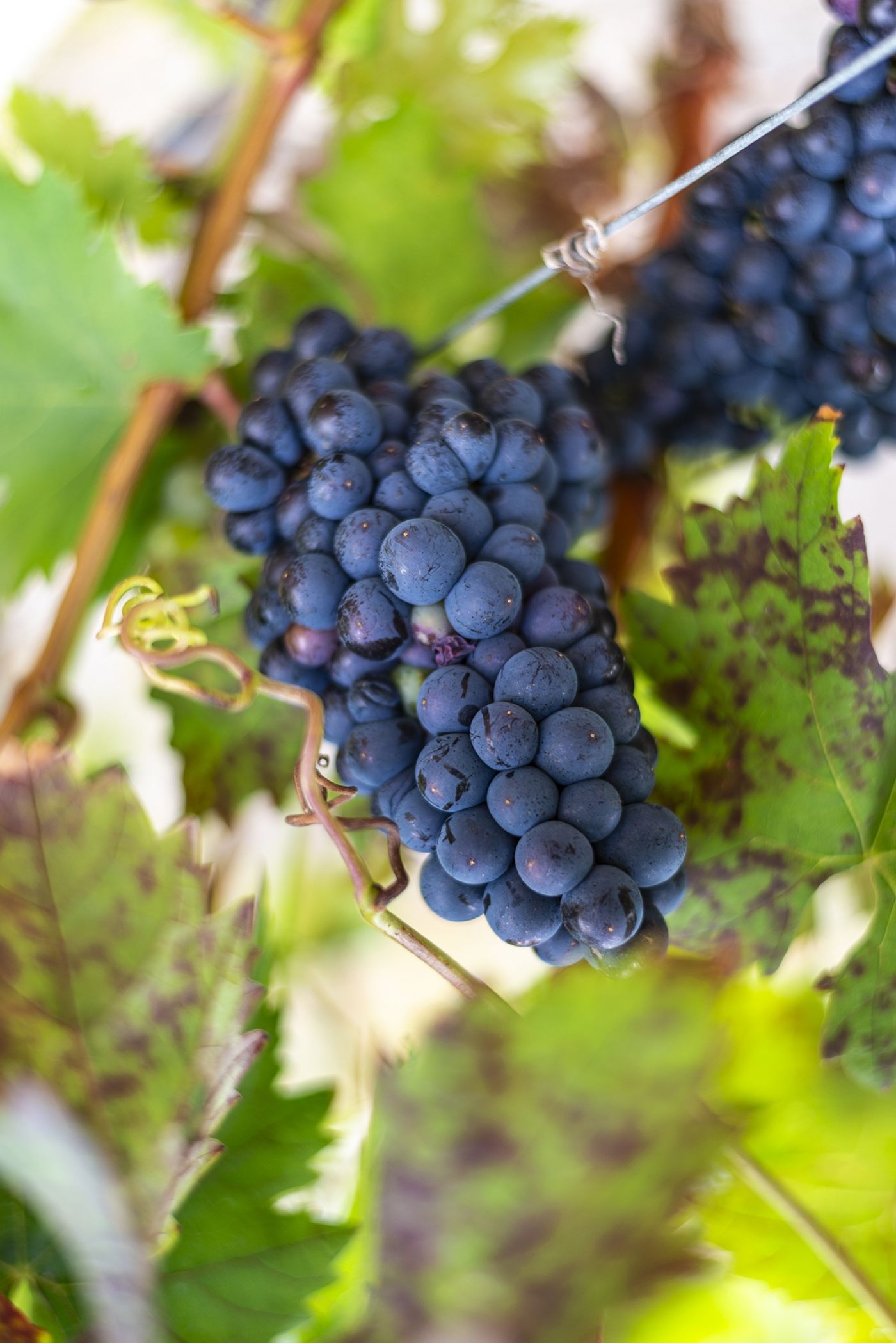
Tamara is making waves with a rare rosé that exudes rhubarb-and-custard notes, a nod to her British mother, and reviving albillo del Monte Lentiscal, a hyper-local grape on the brink of extinction. As she points out, since one of the world’s grapes has their name on it, ‘it would be stupid not to work on it’. She sourced the vines from an 85-year-old neighbour, and has so far resurrected 250 plants. Part scientist, oenologist and botanist, she is deeply in tune with her shifting microclimate. With wetter Julys and vanishing seasons, her vines now ripen unevenly – some grapes will be deep indigo while others are still hard and green – so this year’s harvest is both late and drawn out, lasting two months instead of one.
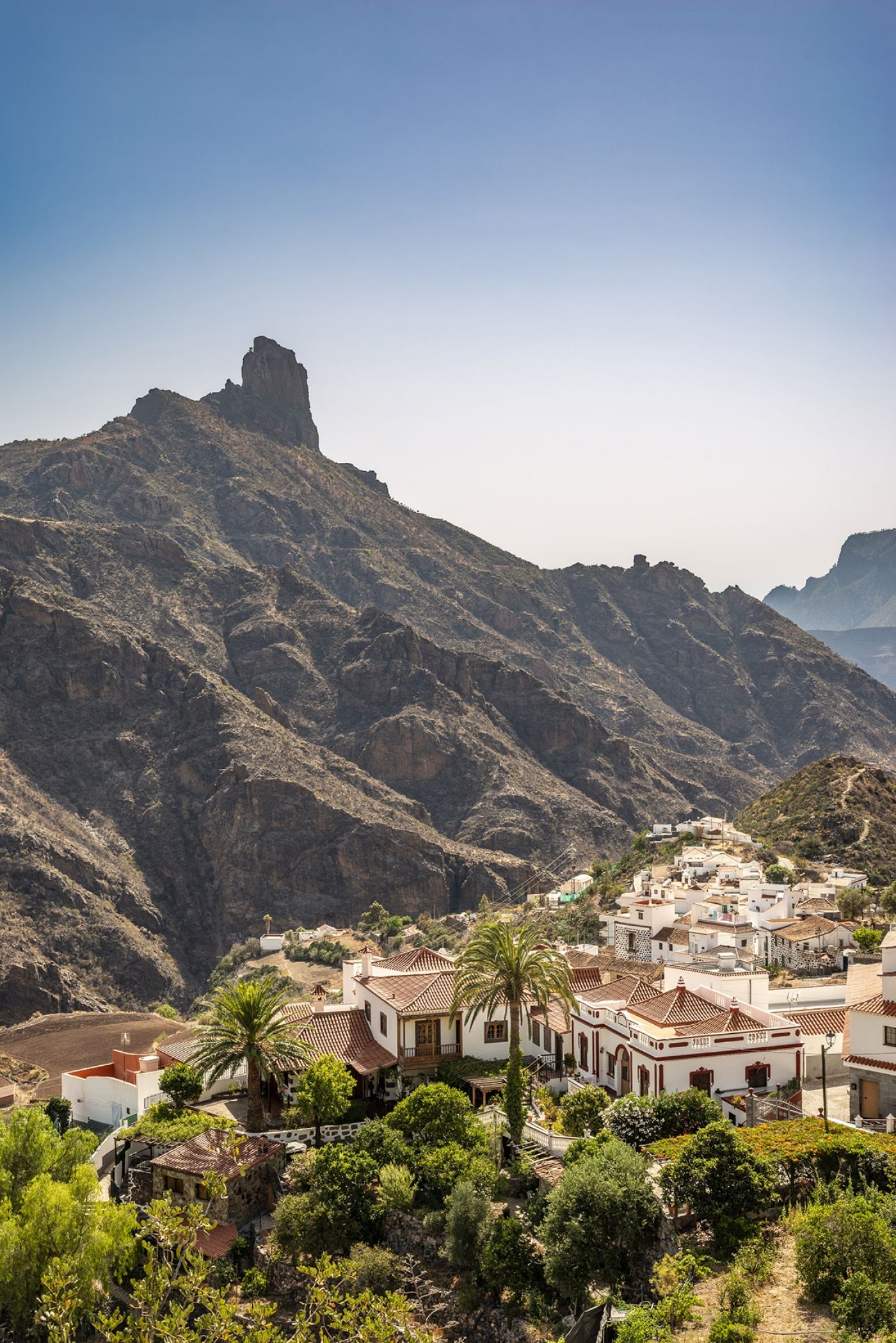
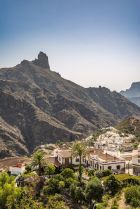
Winemakers aren’t the only ones affected by climate change. Inland, Gran Canaria rises fast and rugged from the north – a world away from coastal resorts. In the island’s centre, a grand canyon of looming stacks and gilded mountains is fringed with almond trees, salvia and sun-scorched grass. To reach it, you pass through the ‘donkey’s belly’ – misty pine forests still marked by wildfire scars.
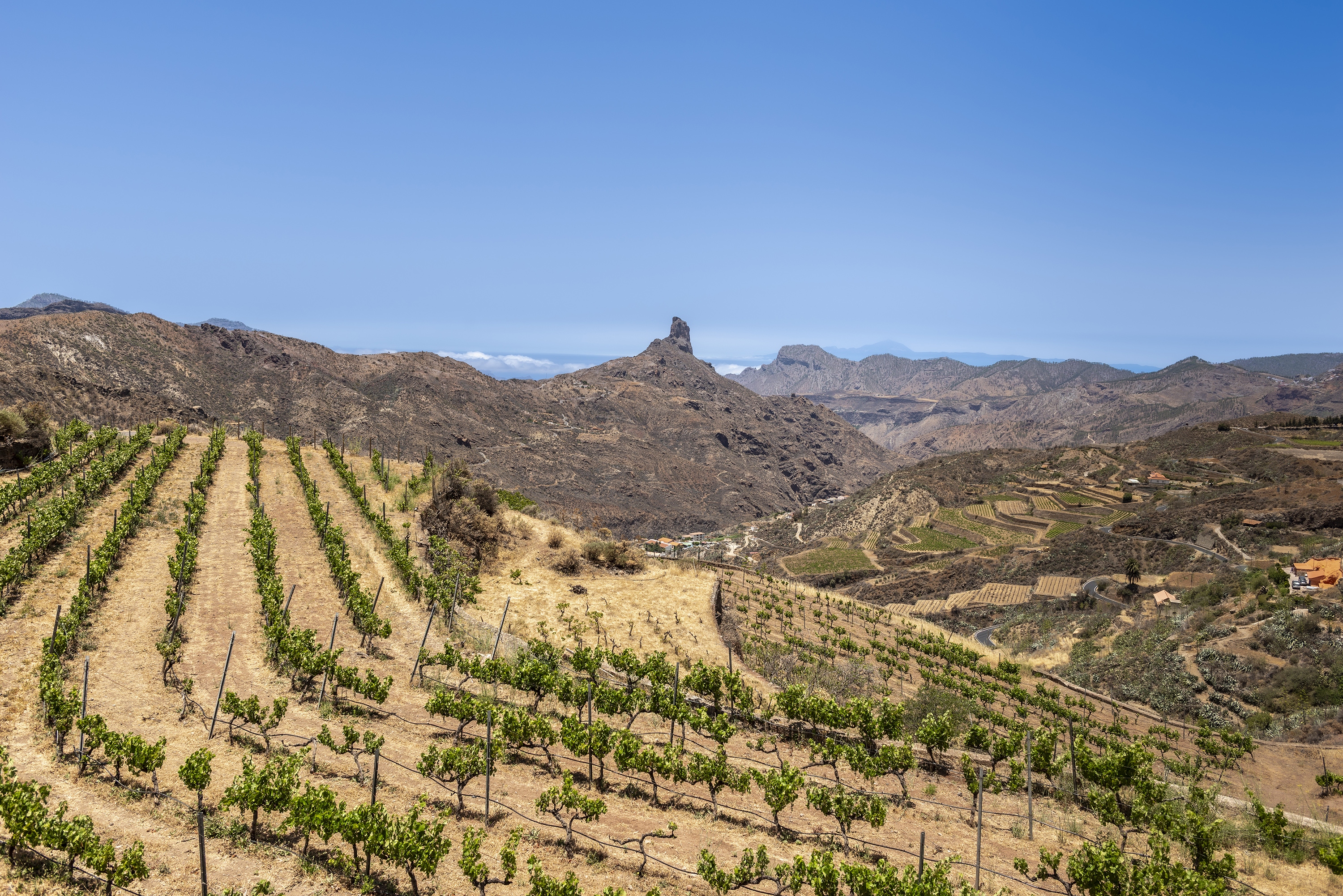
For centuries, transhumance and widespread vineyards helped keep the island clear of flammable undergrowth. But with farming hit by water shortages and the lure of easier jobs in tourism, forest fires are on the rise. The regional government is championing local producers and their call to arms is inspired: each time you consume local cheese or wine, you’re helping to prevent forest fires.
Cristóbal Moreno is one of the remaining transhumance shepherds. The musical sound of his sheep bells peal and clang around the bleak hillsides of this high cave-house region, where Cristóbal makes his Queso de Flor – ‘flower cheese’. His 400 sheep graze among the purple cardoon flowers (artichoke thistles) used to set the cheese. Their water-soaked pistils act as a vegetable rennet, in an ancient technique first mentioned in the 1500s.
Cracking open the Cortijo de Caideros cold room, a half-cave structure that mimics the traditional cave houses of the region, Cristóbal reveals a near-empty treasure trove. He’s down to the last Queso de Flor of the season, despite making 70kg of it every day from January to March. From May to December, production ceases.
‘Out of season,’ Cristóbal says, his voice cracking like gunfire, ‘the science, the flower, the quality, the cream is no longer the same. And I can’t sell an inferior product.’
The caves are key: perfectly humid, they help develop the light bloom that keeps Queso de Flor creamy and intense. A ram’s horn knife slices the wheel open and the smell hits hard: sheepy, feety, lanolin-rich. The soft centre clings to the blade, needing a finger to coax it off. The flavour? Like a pungent Tunworth – bold, ripe and not for the faint-hearted.
Cristóbal and his two-man team also make Media Flor, a tangier cheese using a mix of thistle and animal rennet. As they shout and laugh, packing curds into moulds by hand, their voices echo out of the cave and into the hills, where buzzards circle overhead.
Cheese takes a sharp turn in the south, where the ground is baked into arid gravel. This landscape belongs to hardy, bleating Macorero goats who produce creamy milk that makes the most surprising cheeses. There’s not a hint of pungent chèvre at La Gloria family cheesemakers, a stone’s throw from the coastal resorts. Instead, there’s a three- to four-month aged semicurado that’s like feta-romanced Wensleydale; and the year-aged Viejo has a tang and tingle that delivers a pleasant Parmigiano Reggiano- style punch to the mouth.
Wine makes a similar U-turn here. While the north’s rainfall and cooler evenings lead to excellent reds, the south is the home of white. Bodega Tamerán’s patchwork of miniature vineyards decorates the dry valley in haphazard green, the plants balanced like goats on a mountainside. Bought in 2020 by footballer David Silva, a native of Gran Canaria, Tamerán has become a beacon of high-end wine in the island. David invested huge amounts in irrigation systems: the south’s desert terrain constantly nearing drought. Many southern growers now rely on desalinated water – pioneered in Gran Canaria but lacking the same mineral depth.
Cellar manager Miguel Ayala explains that Tamerán made the inspired choice to produce only monovarietal wines. ‘We have a heritage of very powerful grape varieties not found anywhere else and you can make interesting, beautiful things with them,’ he says.
It’s ideal for outsiders unfamiliar with Gran Canarian grapes, which really shine in bottles of 100% marmajuelo, vijariego or babosoblanco.Thewinesareepiphanicandhugelyaromatic,their strong noses pluming out of the glass. ‘Everyday’ Marmajuelo 2024 brings lemon tartness and salinity; their rare Baboso Blanco, prized by Michelin-starred restaurants on the island, has flavours of mirabelles, cream and a touch of mint. But the crowning white is the Vijariego Blanco, perfectly teetering between touches of unripe apples, sherbet, floral lychee and brine.
Their reds demonstrate exactly what Gran Canaria’s microclimates can do. Tamerán produce two reds using the same listán negro grape and the same method. The only change is the altitude of the vines – one plot is less than 200m lower than the other. The difference is astounding. The Lomo de Los Inglesas, hailing from higher up, is chock-full of red fruits and vanilla – reminiscent of a subtle raspberry ripple; while the Camaretas is more structured – a full-bodied tannic red with black fruits and gentle anise.
It may be an island of microclimates, micro-vineyards, micro-plots, but Gran Canaria has big ideas. There’s a feeling that, despite
its long history, wine here is just getting started.
This article first appeared in the October 2025 issue of Food and Travel Magazine. To subscribe, click here.
Where to stay
Boutique Hotel Cordial Plaza Mayor de Santa Ana This handsome Las Palmas hotel overlooks pretty Santa Ana Cathedral. Its 20 rooms are spacious and elegant, some with plaza-facing balconies. The rooftop restaurant, offering tapas and local wines, is an excellent place to start your Canarian culinary trip. Doubles from £123, including breakfast. Plaza Santa Ana, Las Palmas GC, +34 928 501122, becordial.com
Hotel Emblemático Agáldar This historic building in the cobbled city of
Gáldar has been a hotel since 1896. Its 20 newly renovated rooms and
suites are tastefully decorated, with a small rooftop pool and terrace to
boot. The restaurant offers local specialities and novel takes on traditional
ingredients and dishes. Doubles from £104, including breakfast. Plaza de
Santiago 14, Gáldar Las Palmas, +34 928 897433, hotelagaldar.com
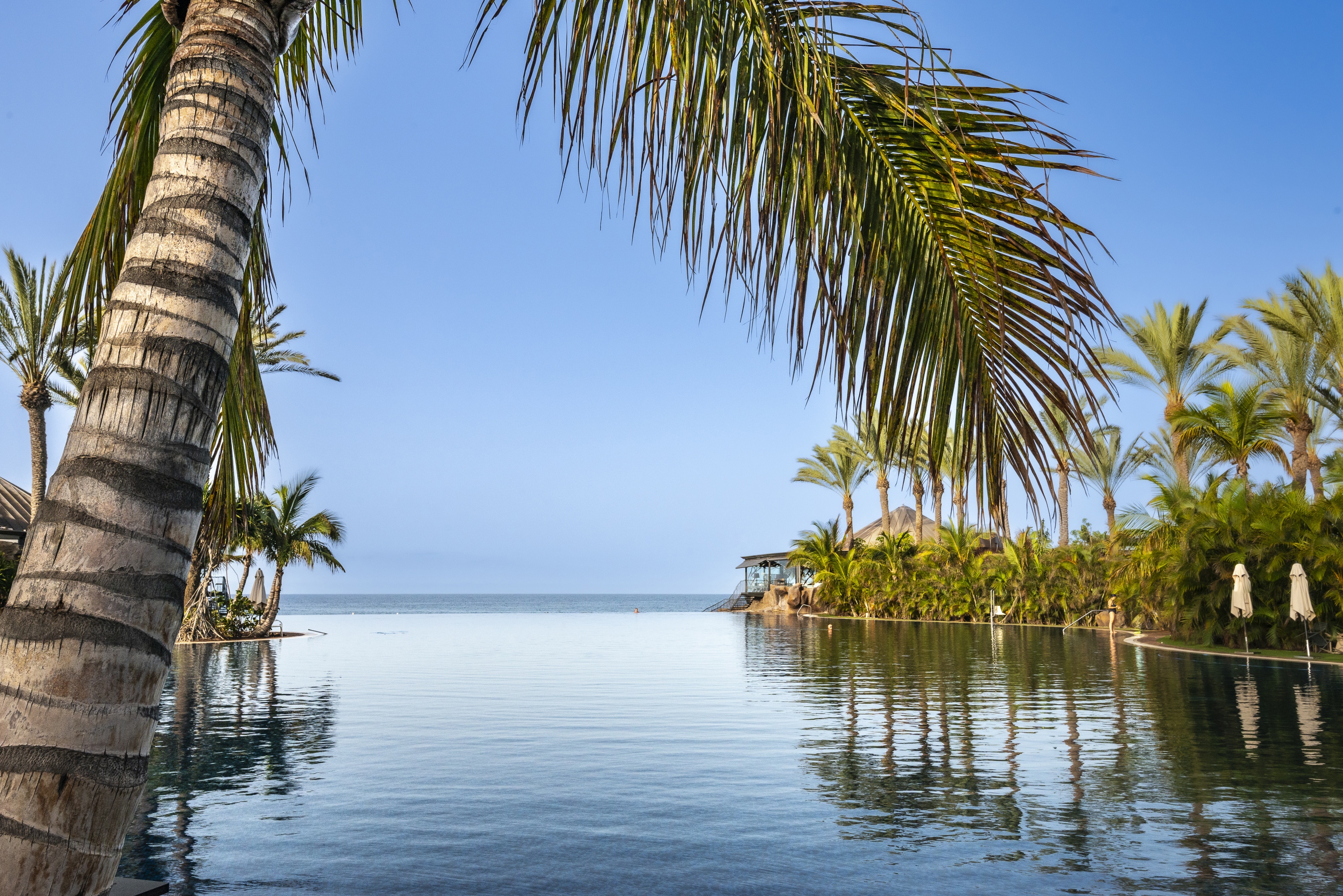
Lopesan Costa Meloneras This oceanfront resort on the south coast is vast, encompassing gardens and pools – including a 100m infinity pool – restaurants, bars, spa and 1,137 rooms. Suites are sizeable enough to need their own postcode, and the sparkling acquisition of Restaurante Bevir, a former Michelin-starred restaurant from the north, completes the picture. Doubles from £154, including breakfast. C/ Mar Mediterráneo, Meloneras, +34 928 128100, lopesan.com
Parador de Cruz de Tejeda You’d be hard pushed to find a more spectacular hotel in Gran Canaria. This sophisticated luxury hotel is one of the state-owned paradores, and although balconied rooms have a touch of old-fashioned chic, the views are unbeatable. Relax in the café, gym, spa or restaurant as sun sets over the valley, with Tenerife dominating the horizon. Doubles from £122, including breakfast. Cruz de Tejeda, Tejeda, Las Palmas, +34 928 012500, paradores.es
Travel Information
One of Spain’s seven Canary Islands, Gran Canaria lies 150km from Morocco in the Atlantic Ocean. You can fly directly to Gran Canaria from London in just over 4 hours. Currency is the Euro and the time zone is the same as the UK.
GETTING THERE
EasyJet fly direct to Gran Canaria from London Gatwick. easyjet.com
British Airways fly directly to Gran Canaria from London Gatwick. britishairways.com
GETTING AROUND
Exploring the island is easiest by hire car, but for behind-the-scenes
access to small wineries and cheesemakers, book a tour with specialist Rafa
Molina at EtnoExperience Canarias, who works directly with producers on
Gran Canaria’s Wine Route. etnoexperience.com
Gran Canaria Tourist Board is full of information to help you plan your trip, including details on the Gran Canaria Wine Route. grancanaria.com
Where to eat
WHERE TO EAT
Enoteca El Zarcillo This wine-focused restaurant was recently taken over by its head chef, Génesis Fernández, whose menu is full of brilliant dishes like corn cakes with cheese-based almogrote spread, moray eel chips with coriander gnocchi, and divine slow-cooked black pork. Three courses from £33; glass of local wine from £3.30. C/Dr Vicente Navarro Marco 33, Las Palmas GC, +34 928 354534, enotecaelzarcillo.com
La Pasadilla Local ingredients come alive under the talented hands of Carmelo González López. This meat-focused restaurant in the west serves sophisticated plates that include spiced goat and black pork. Three courses from £35. C/ La Quesera 2, La Pasadilla, Las Palmas GC, +34 928 737240, restaurantelapasadilla.es
Palmera Sur Restaurant Don’t let the tourist-heavy beach setting fool you — Palmera Sur is where locals in the south go for a slap-up lunch with locally caught catch of the day. The fresh tuna tartare with avocado and wakame is a must. Mains from £12. Av Estados Unidos 15, Maspalomas, +34 659 598003, grupotambara.com
Restaurante Bevir at Lopesan A former Michelin-starred restaurant relocated from the north to Lopesan Costa Meloneras resort, where local chef José Luis Espino aims to regain his star via two innovative pescatarian tasting menus featuring dishes such as slow-cooked beetroot with beurre blanc and dill oil that wouldn’t look out of place in an art gallery. 11-course tasting menu £79. +34 928 128107, Mediterranean Sea Street 1, Meloneros, restaurantebevir.com




Get Premium access to all the latest content online
Subscribe and view full print editions online... Subscribe