
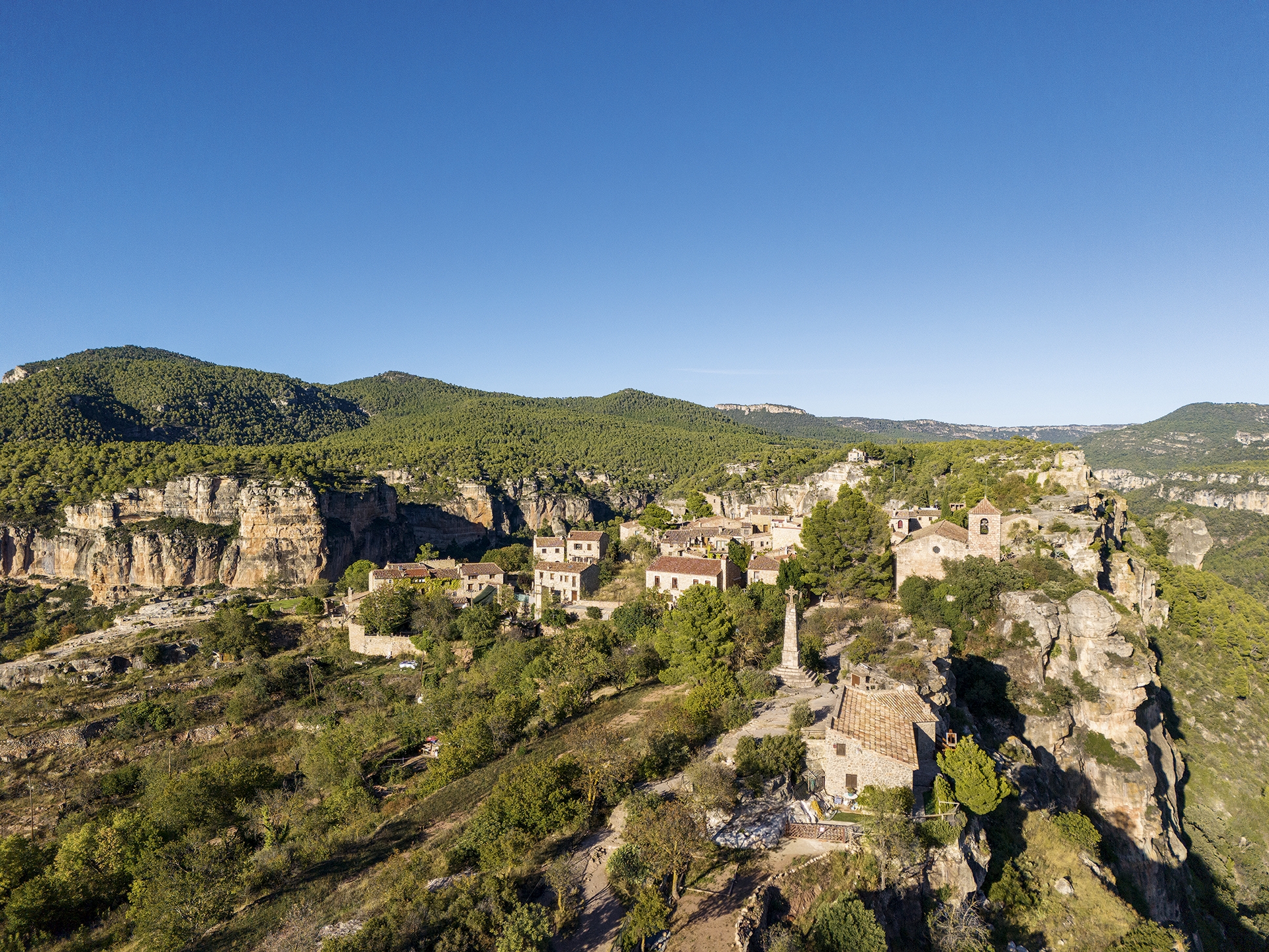
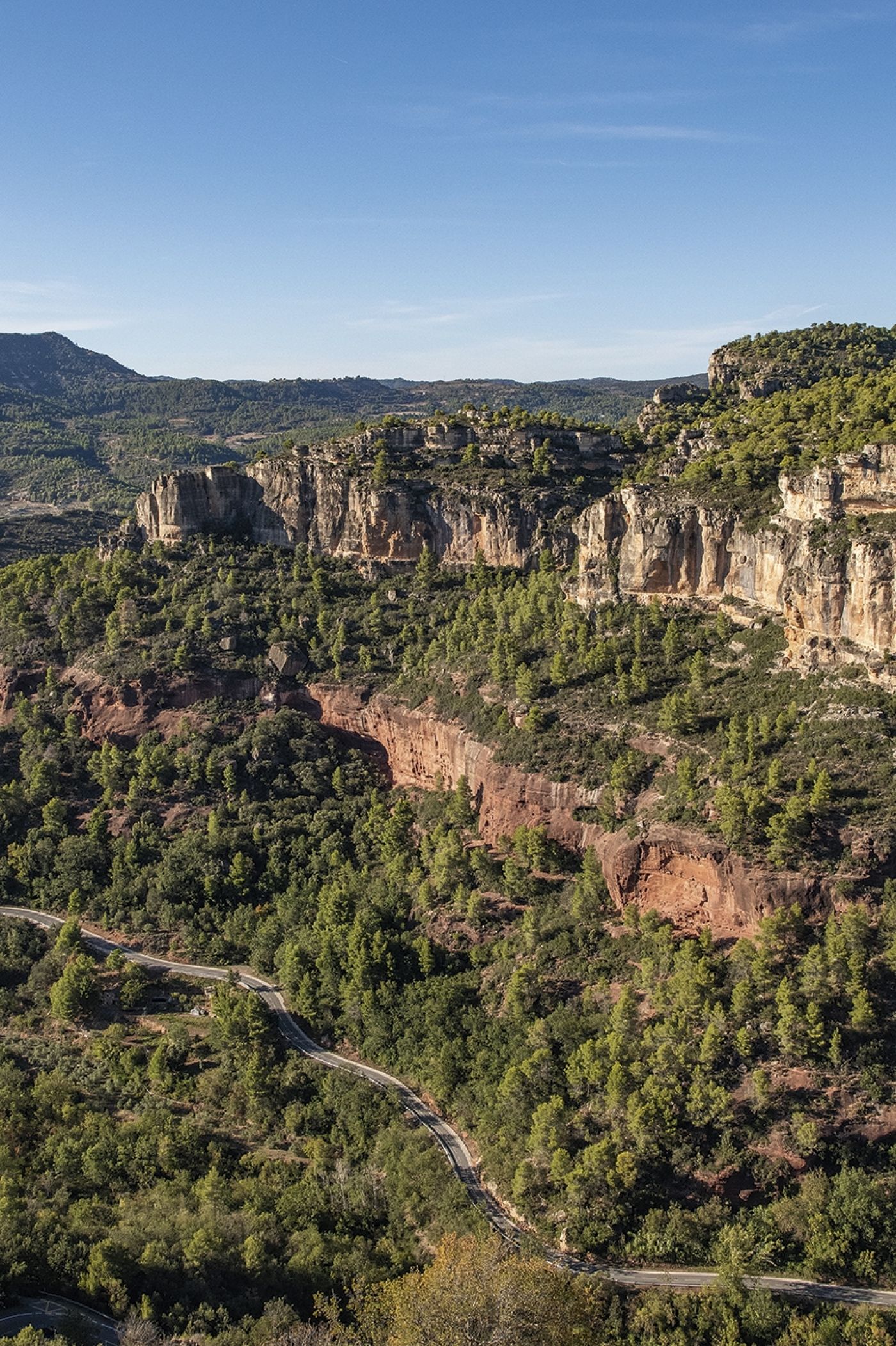
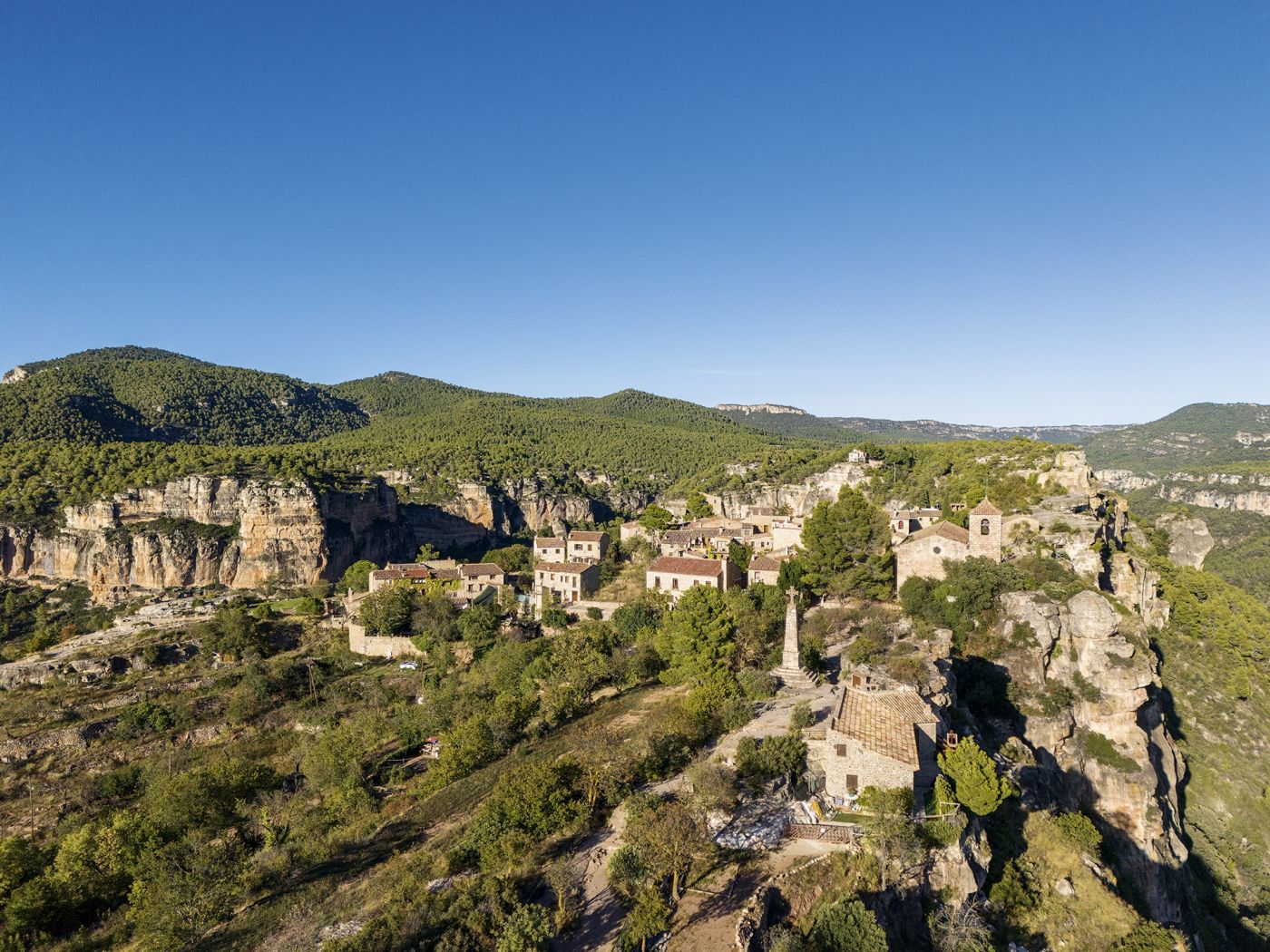
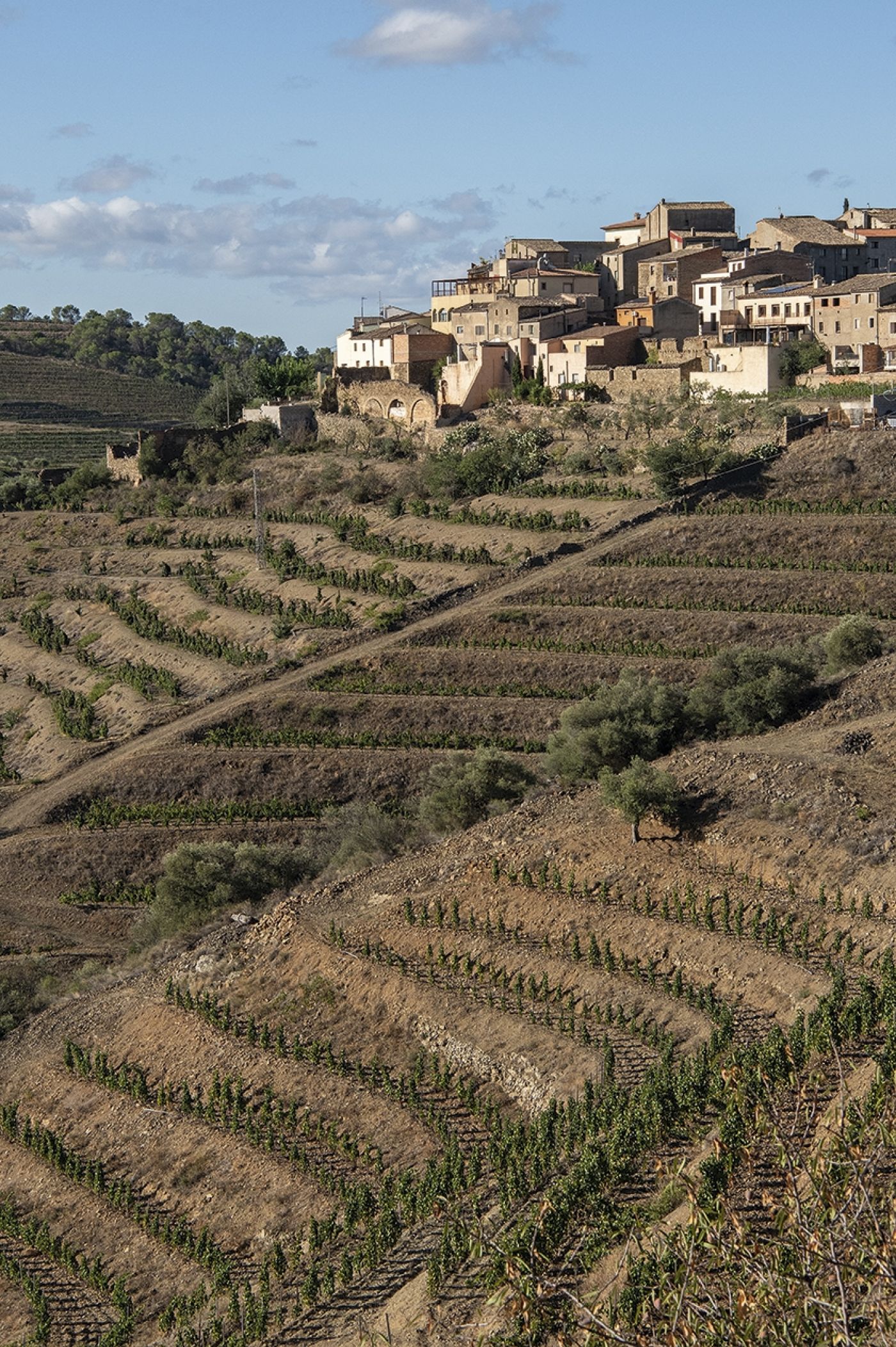
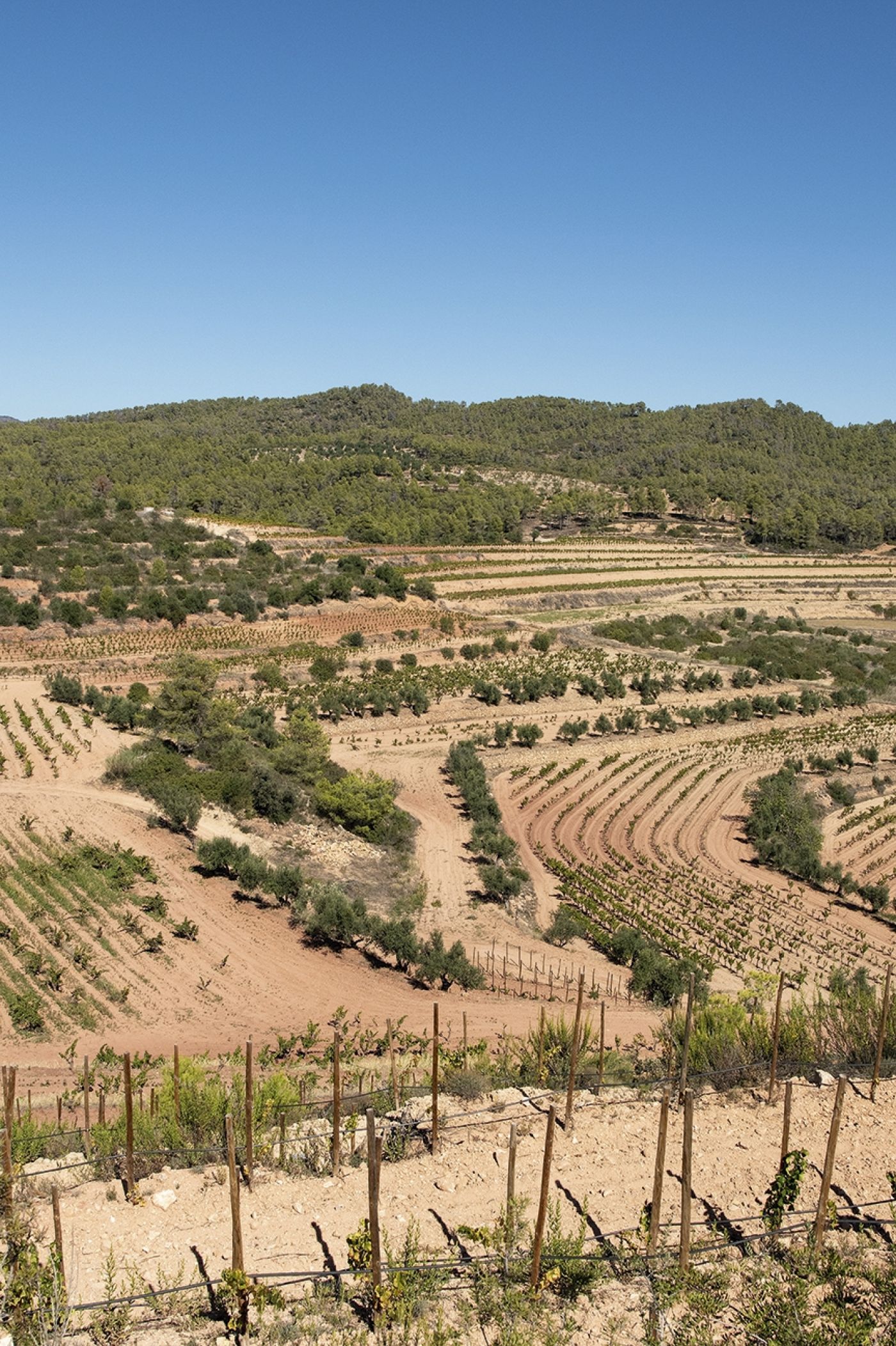
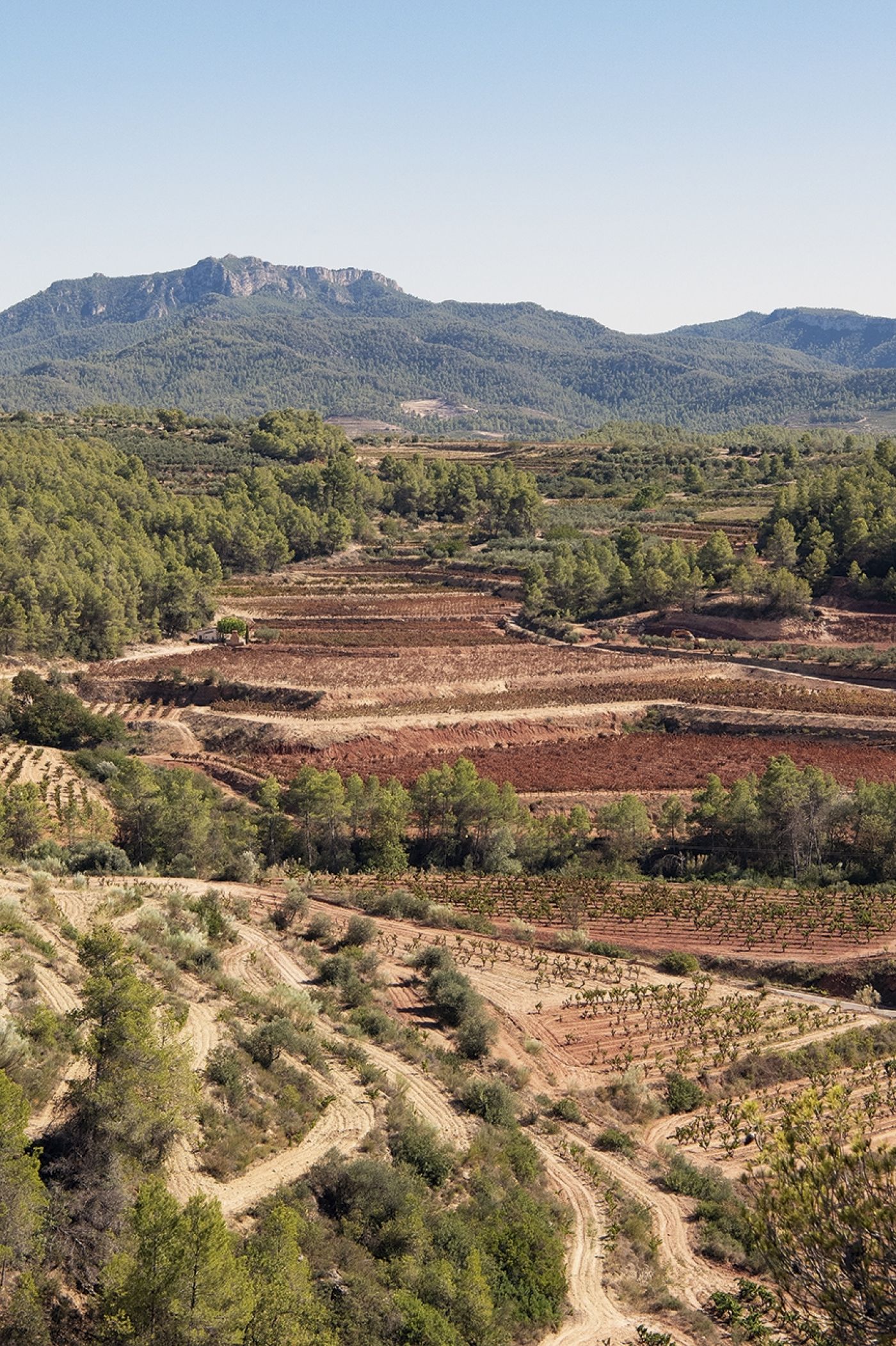
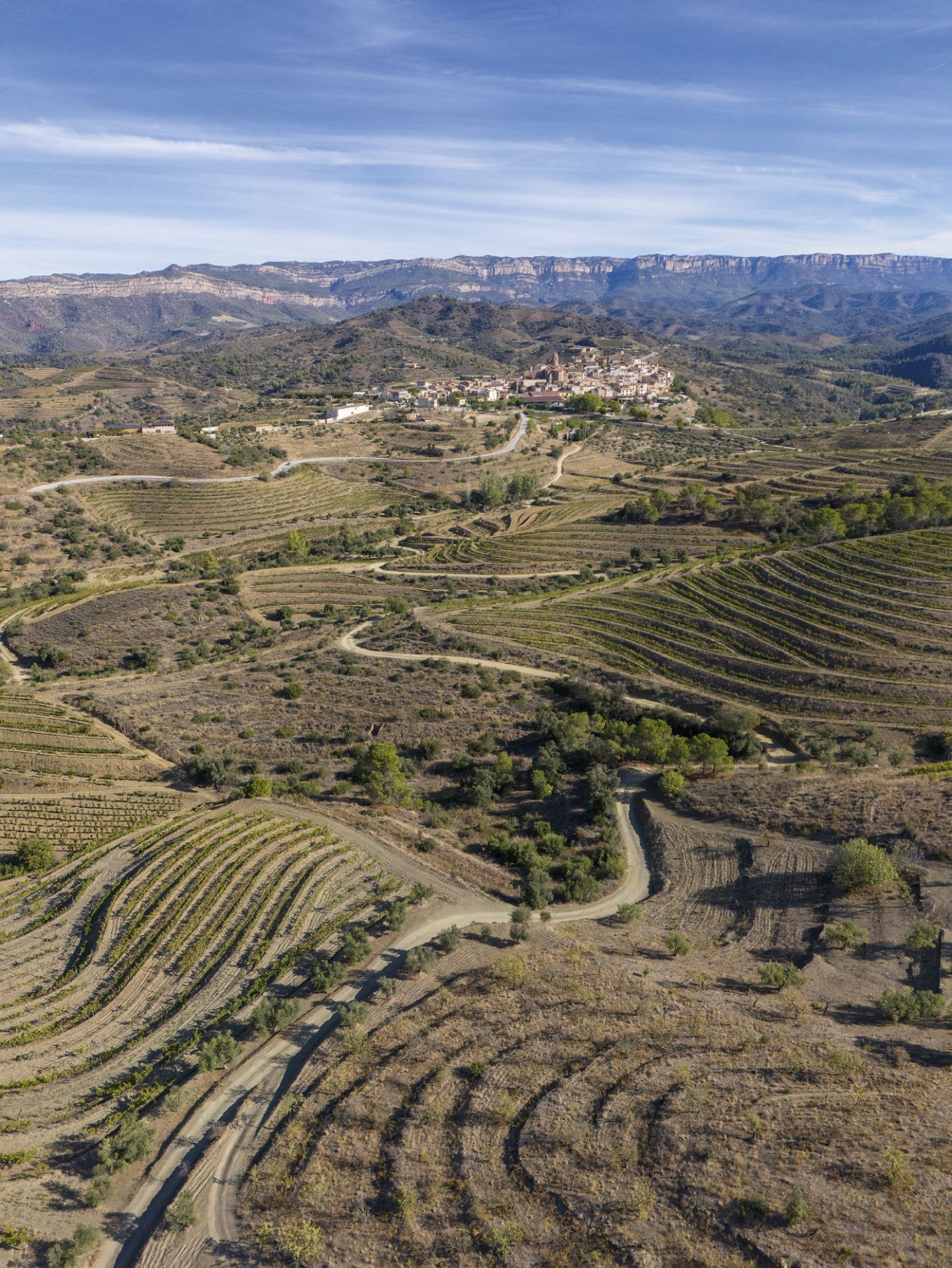
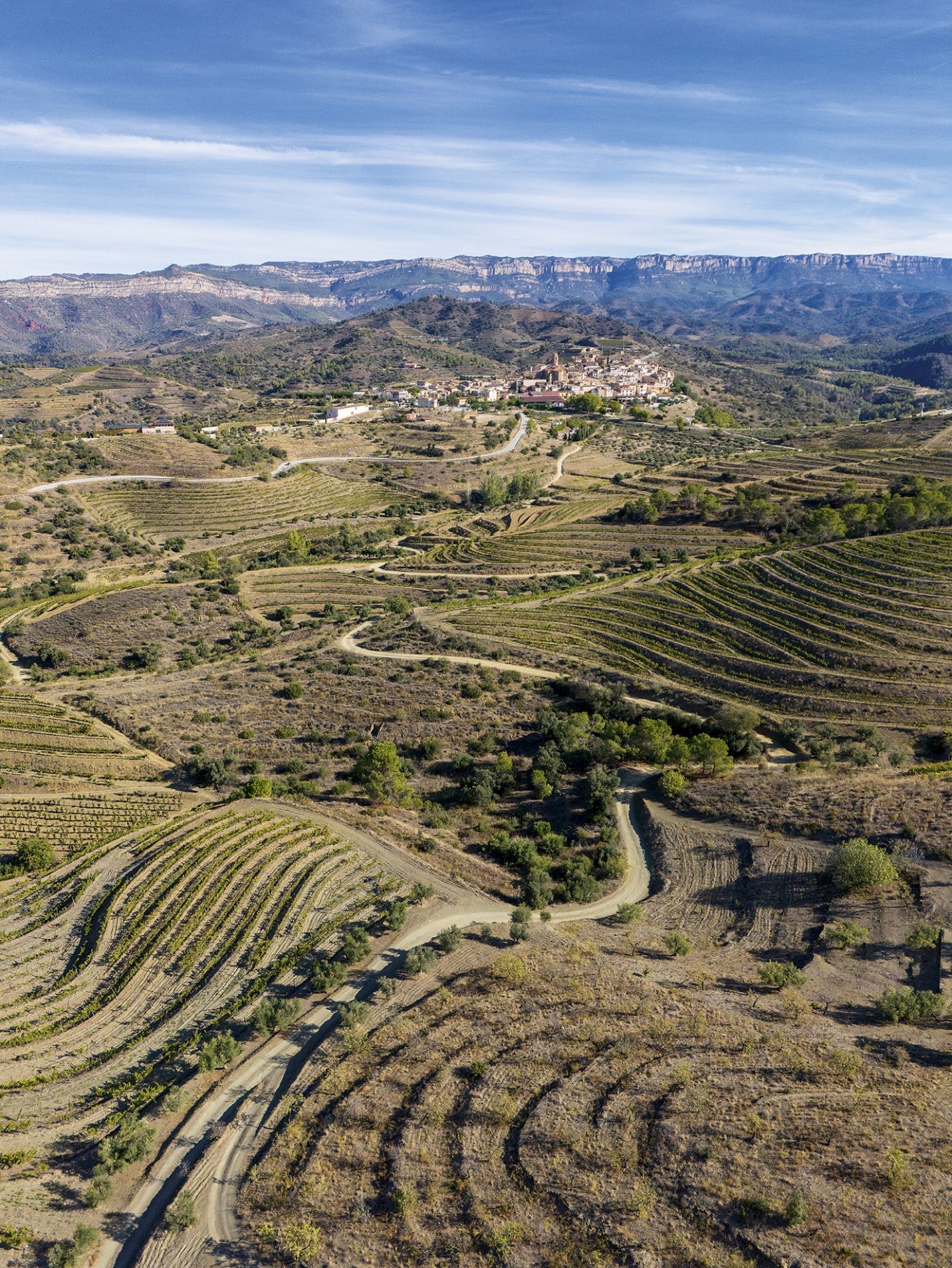
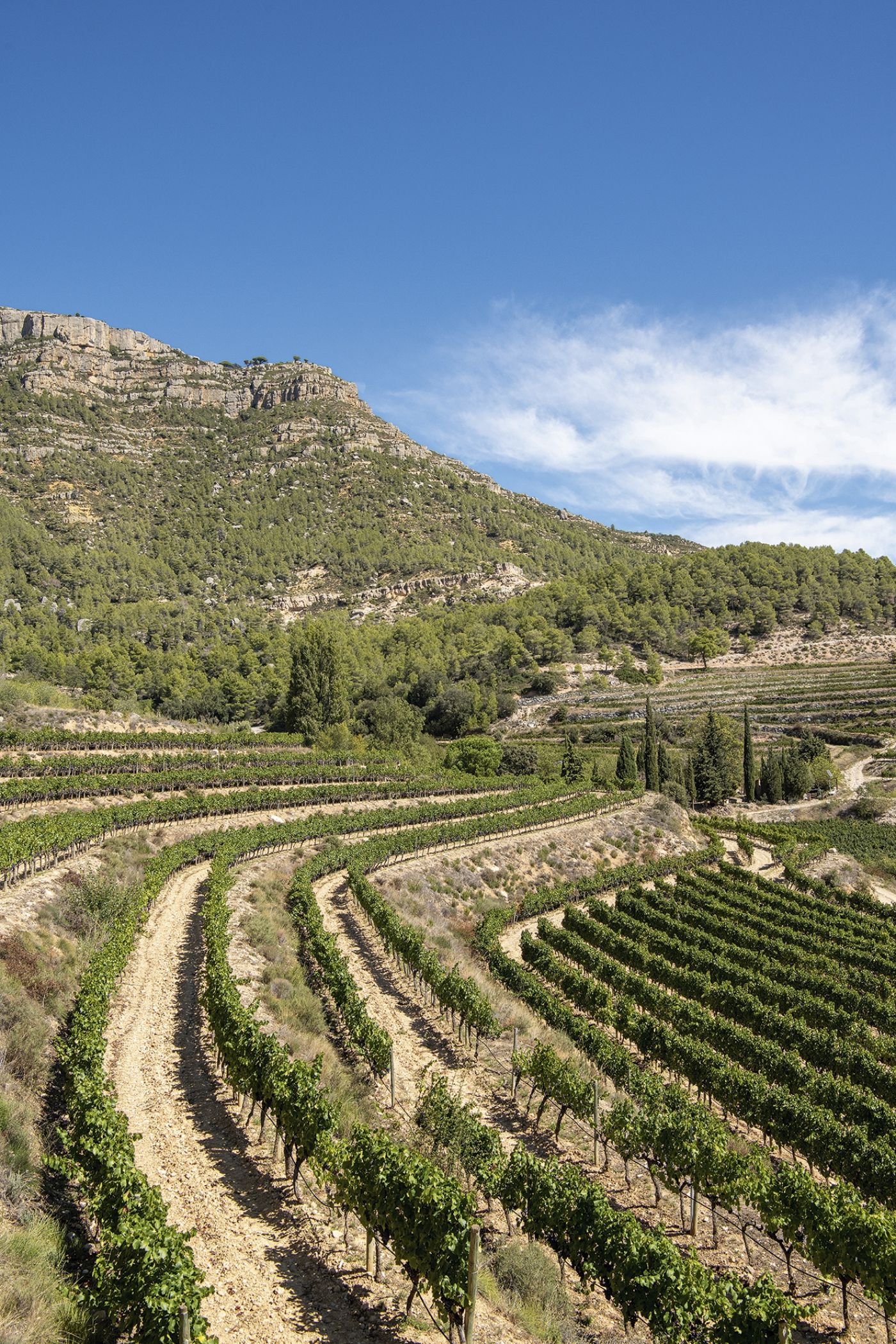
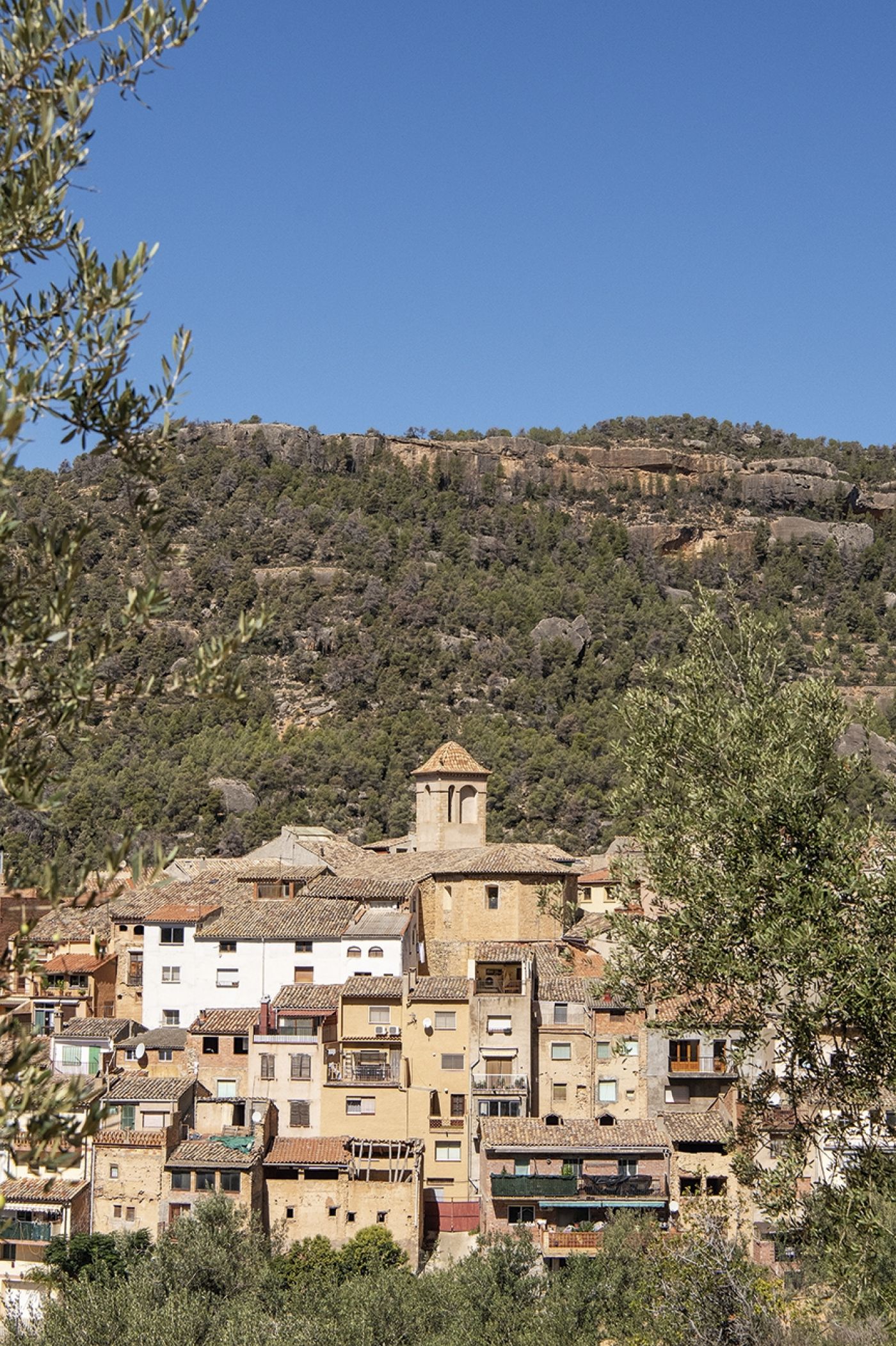
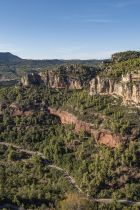
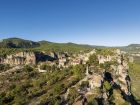
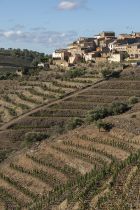
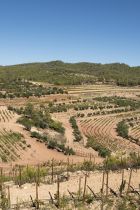
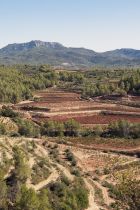
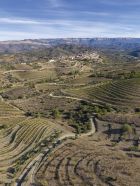
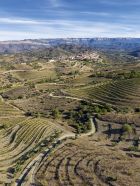
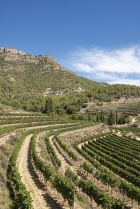
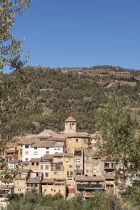
The smooth motorway drive south-west of Barcelona is quickly forgotten as you leave Tarragona behind and venture inland towards a landscape of dense forests and wind-sculpted stone plateaux. The road swiftly adjusts to this complicated topography of highs and lows, snaking through steep terraces of vineyards and olive groves. This rugged territory is the Priorat, a region that is home to some of Spain’s most magnificent wines – superstar DOQ Priorat and one of the revelations of the past few years, DO Montsant.
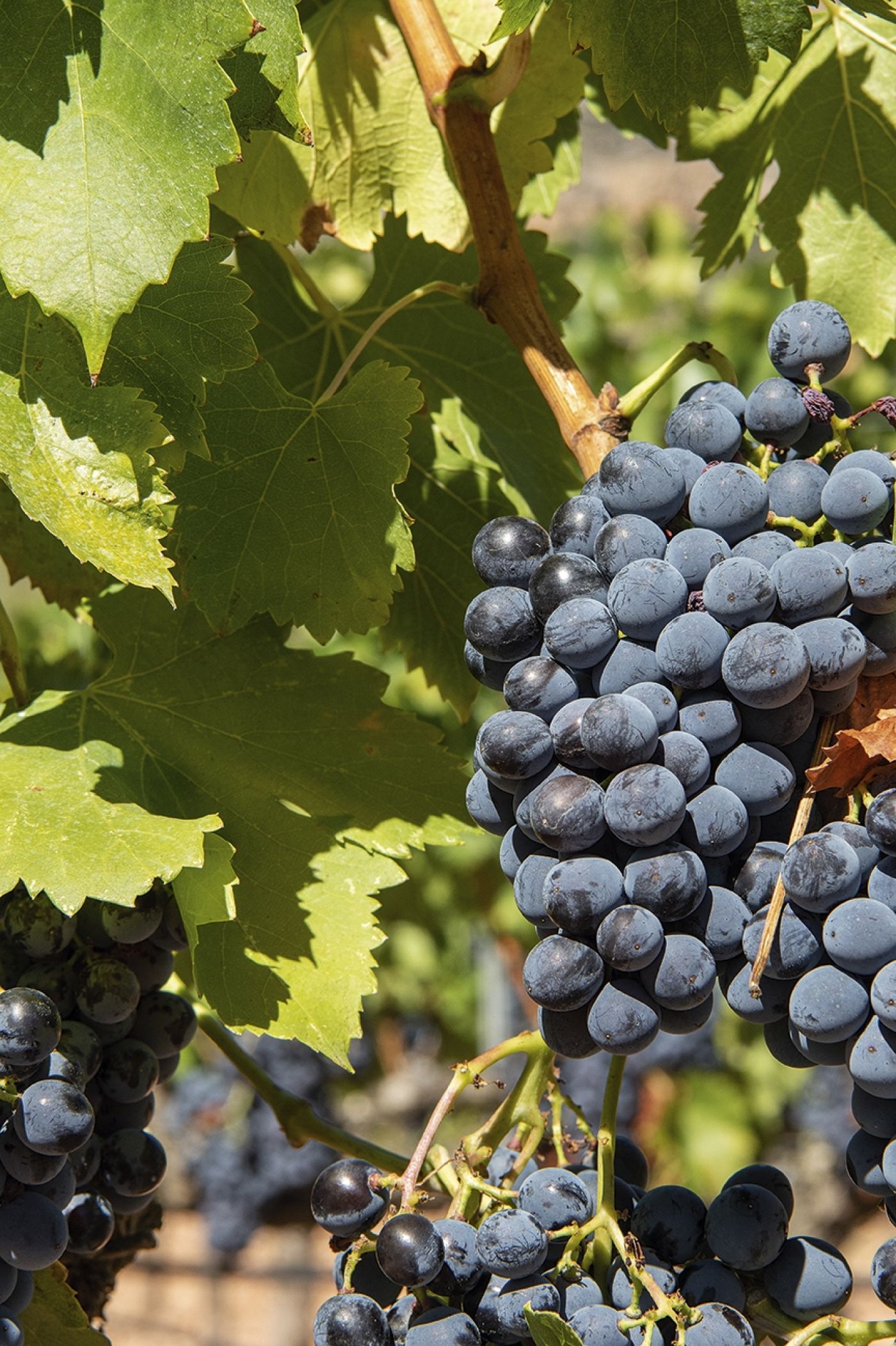
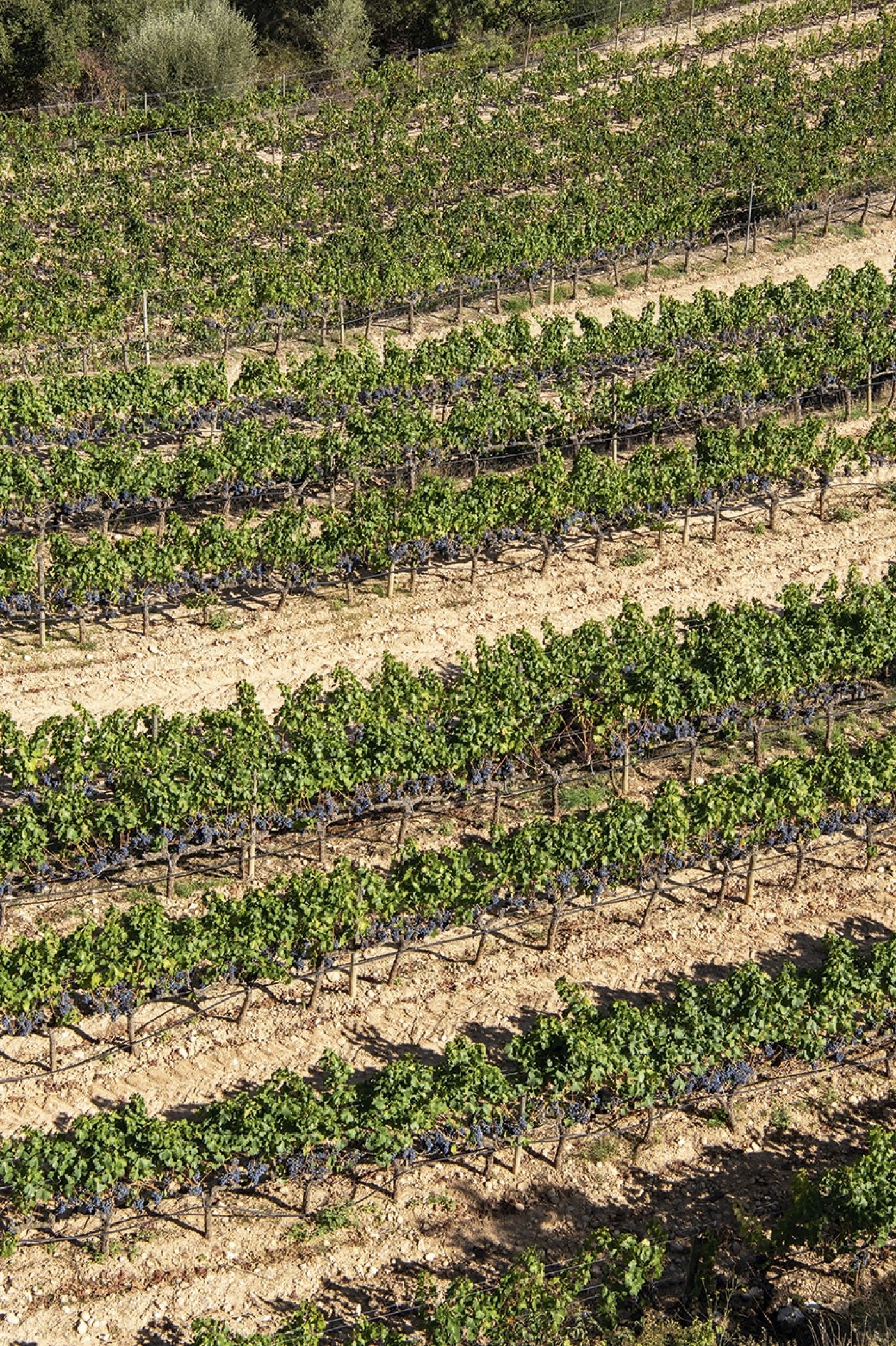
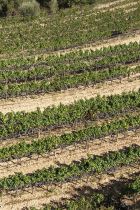
The harshness of the mountains defines the horizon – it is mirrored in the no-frills nature of its few inhabitants and it gives character to its wine. It’s all about the llicorella, its slate-and-quartzite terroir that forces the vines to root deeply in search of water and nutrients, giving back a distinctive mineral-infused complexity.
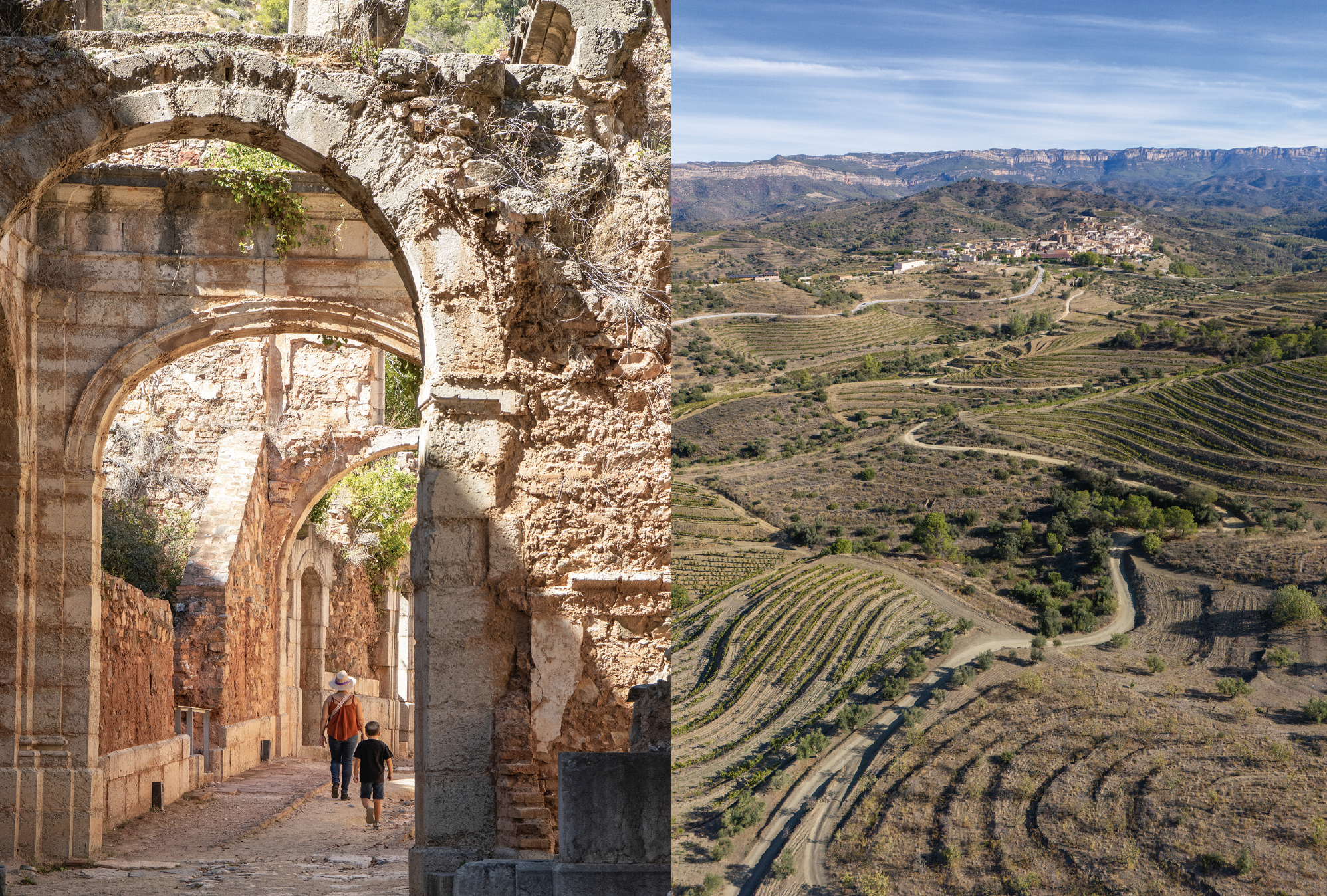
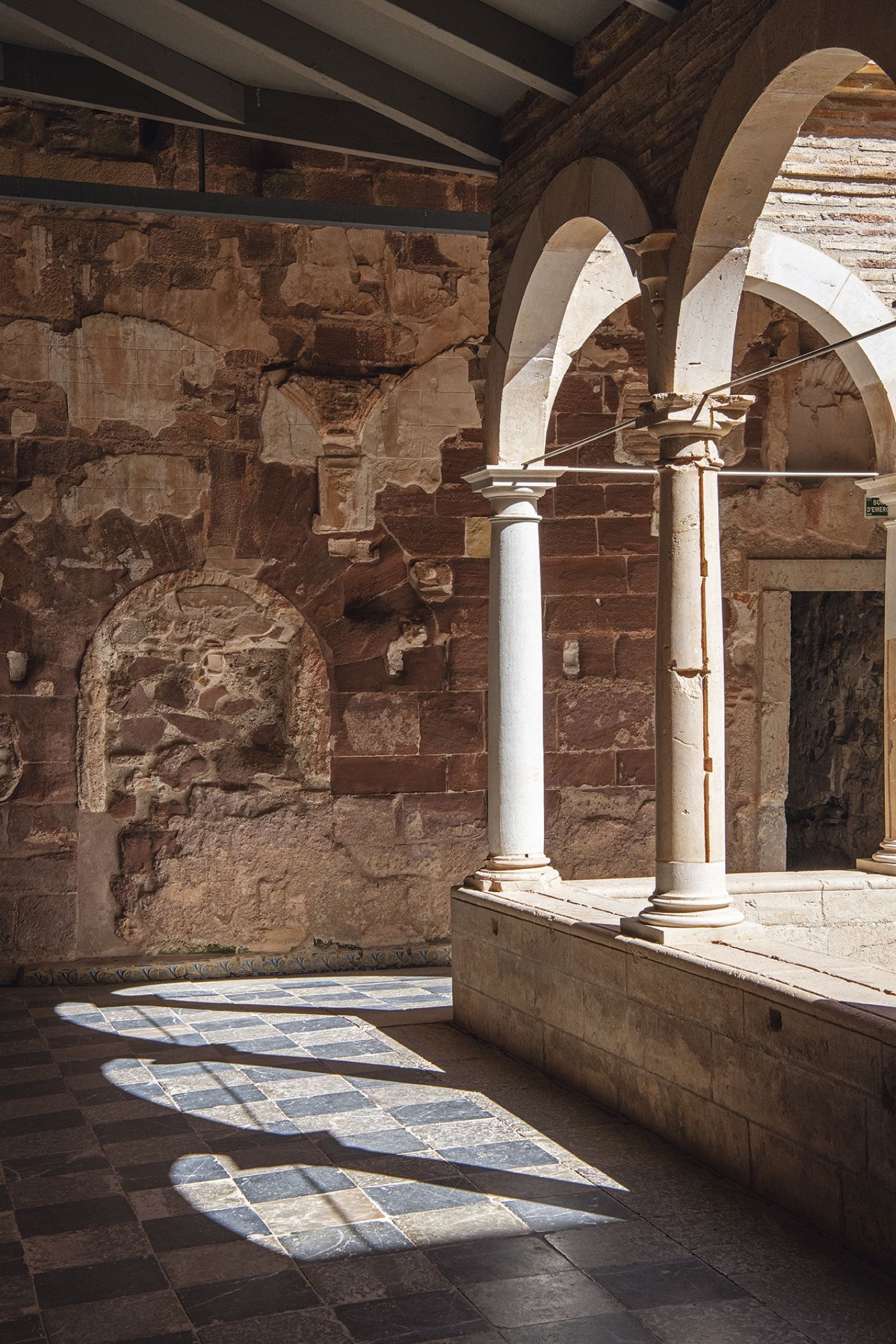
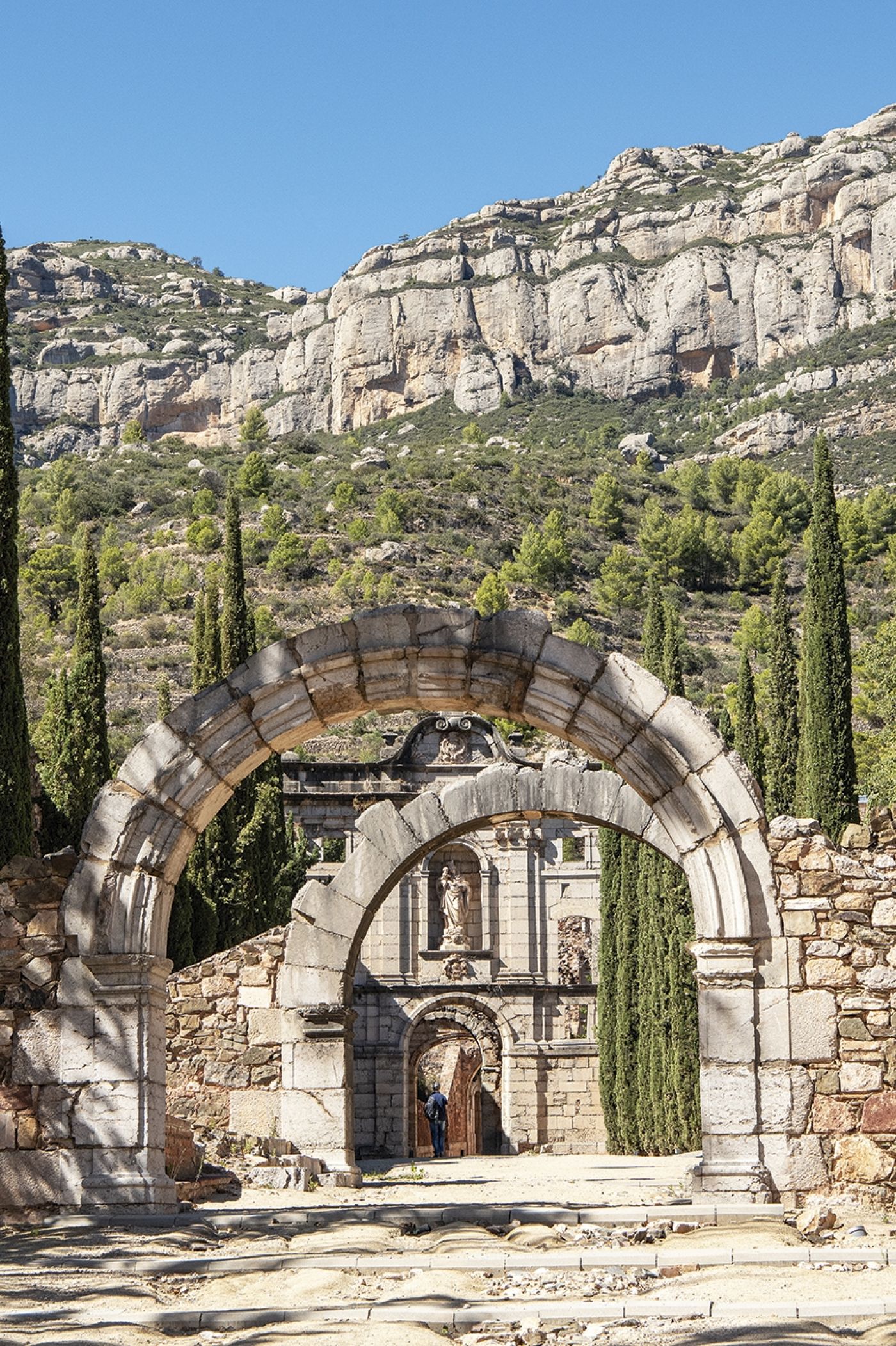
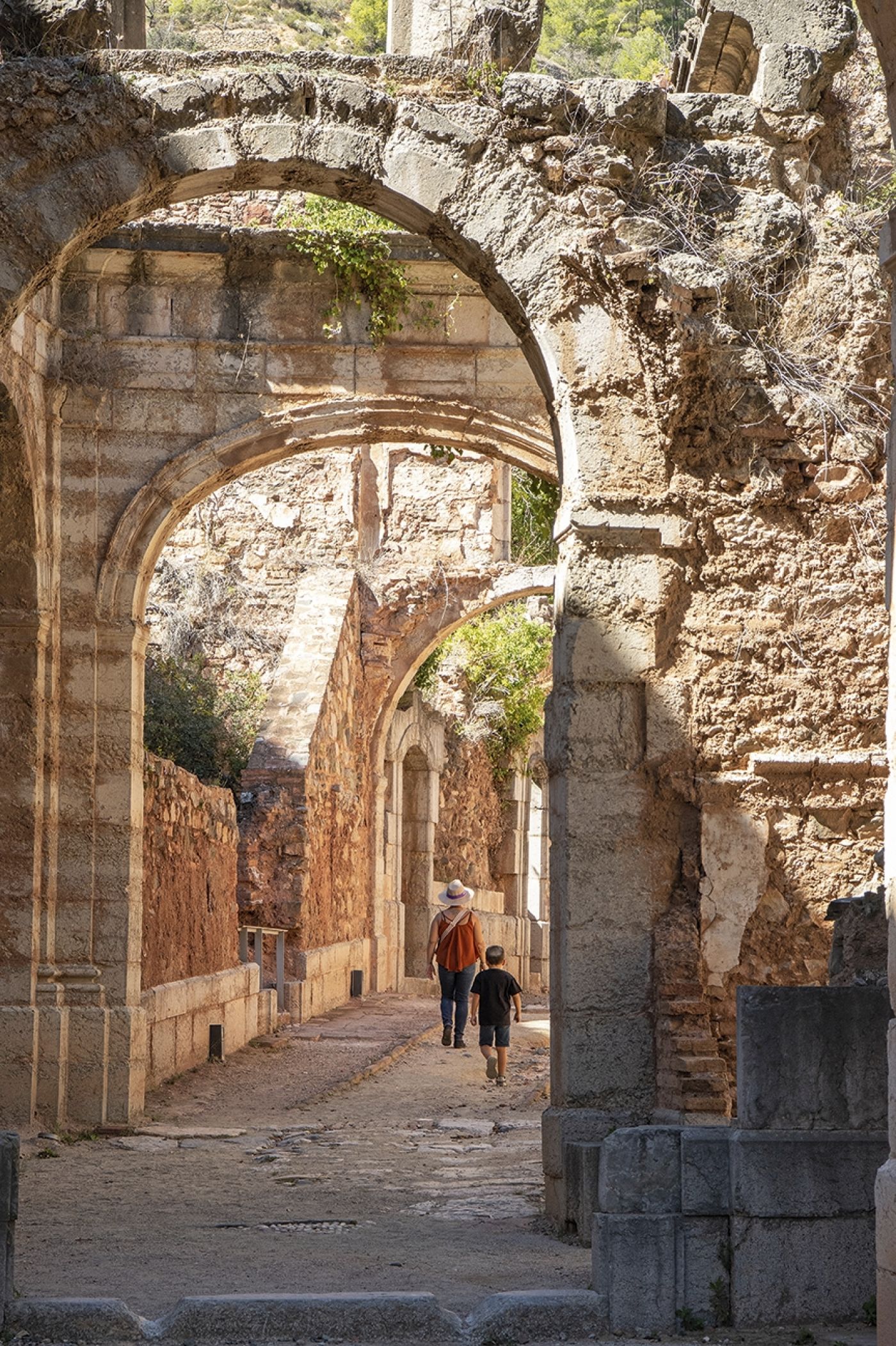
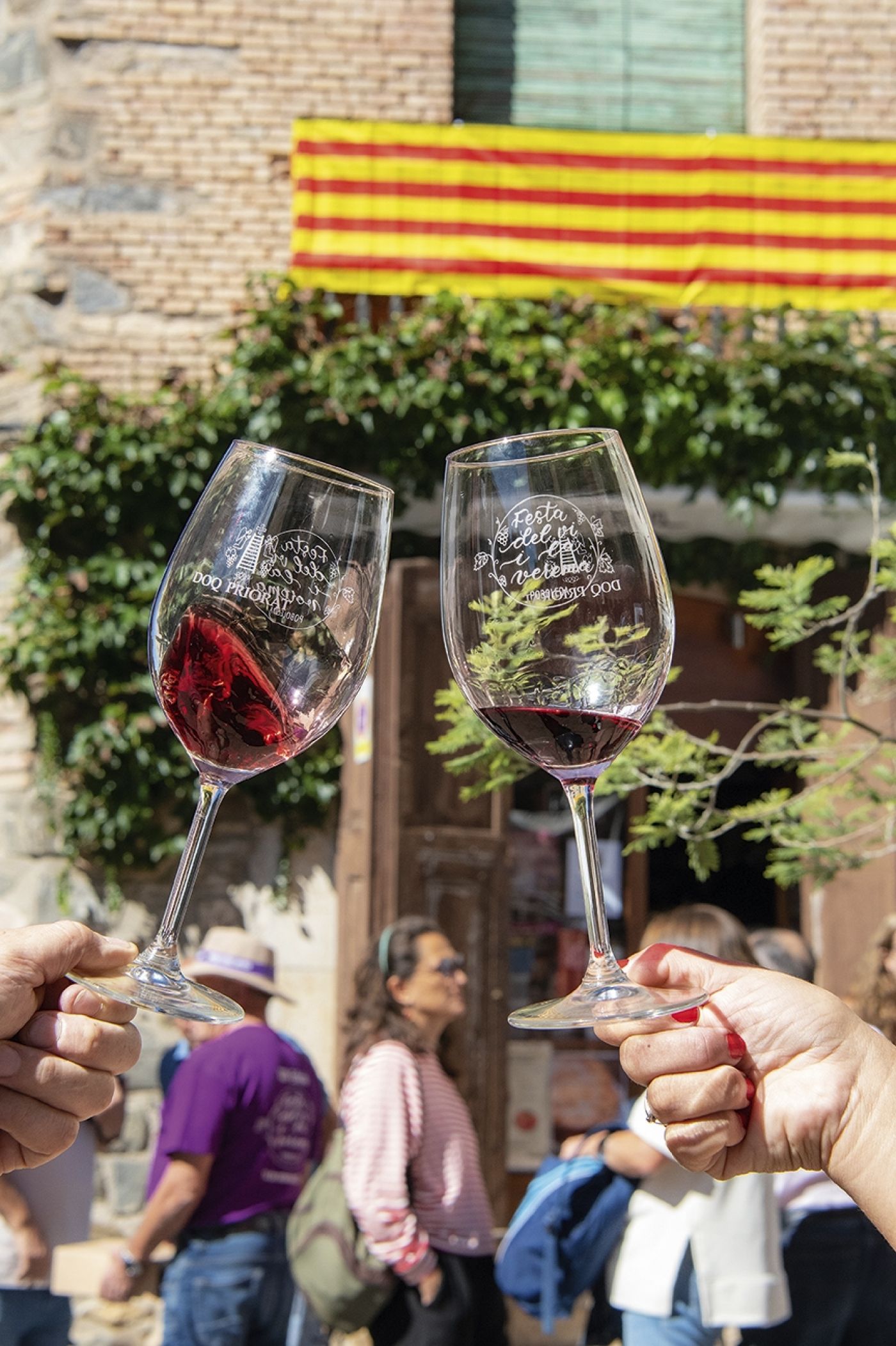
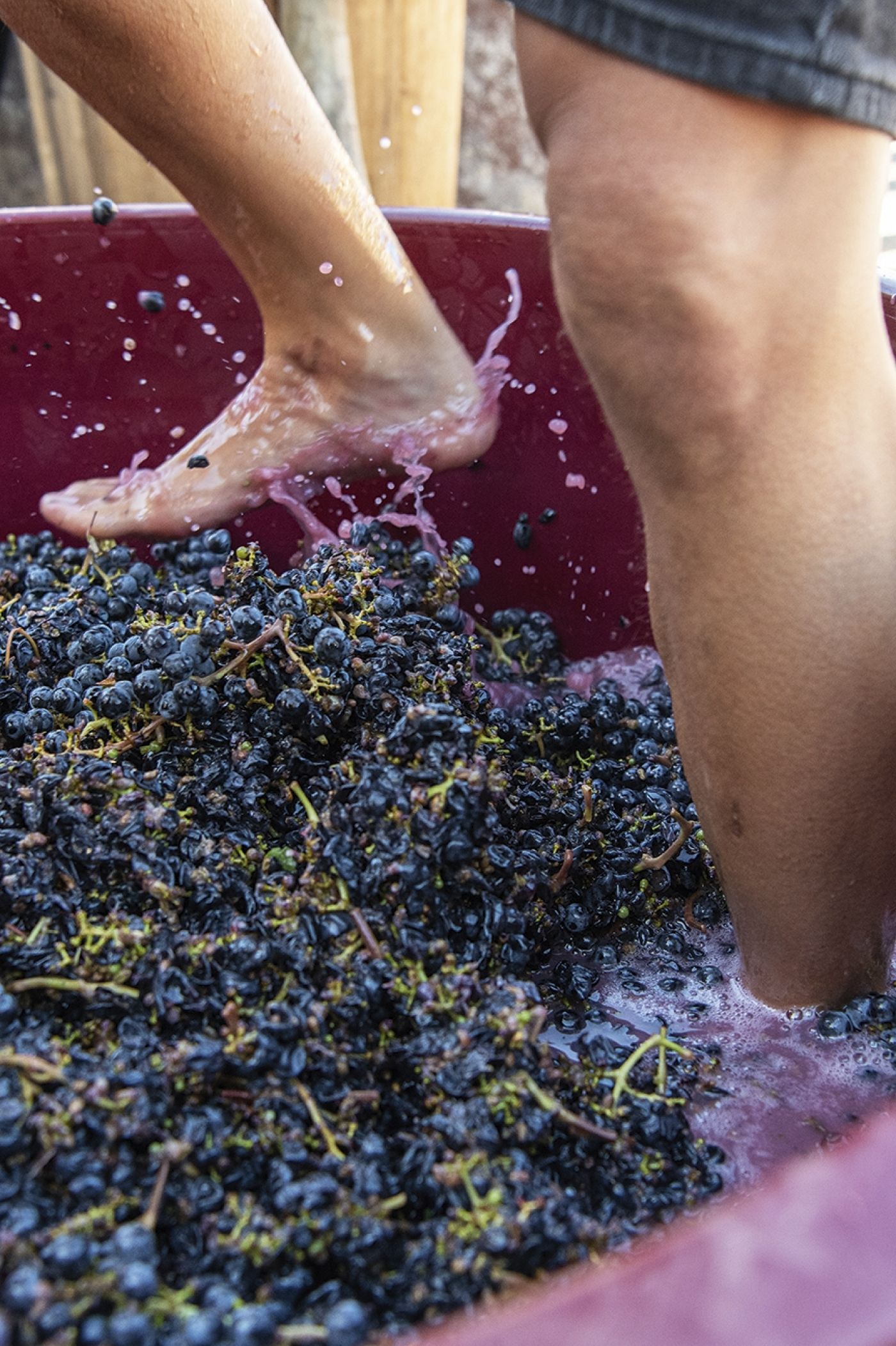
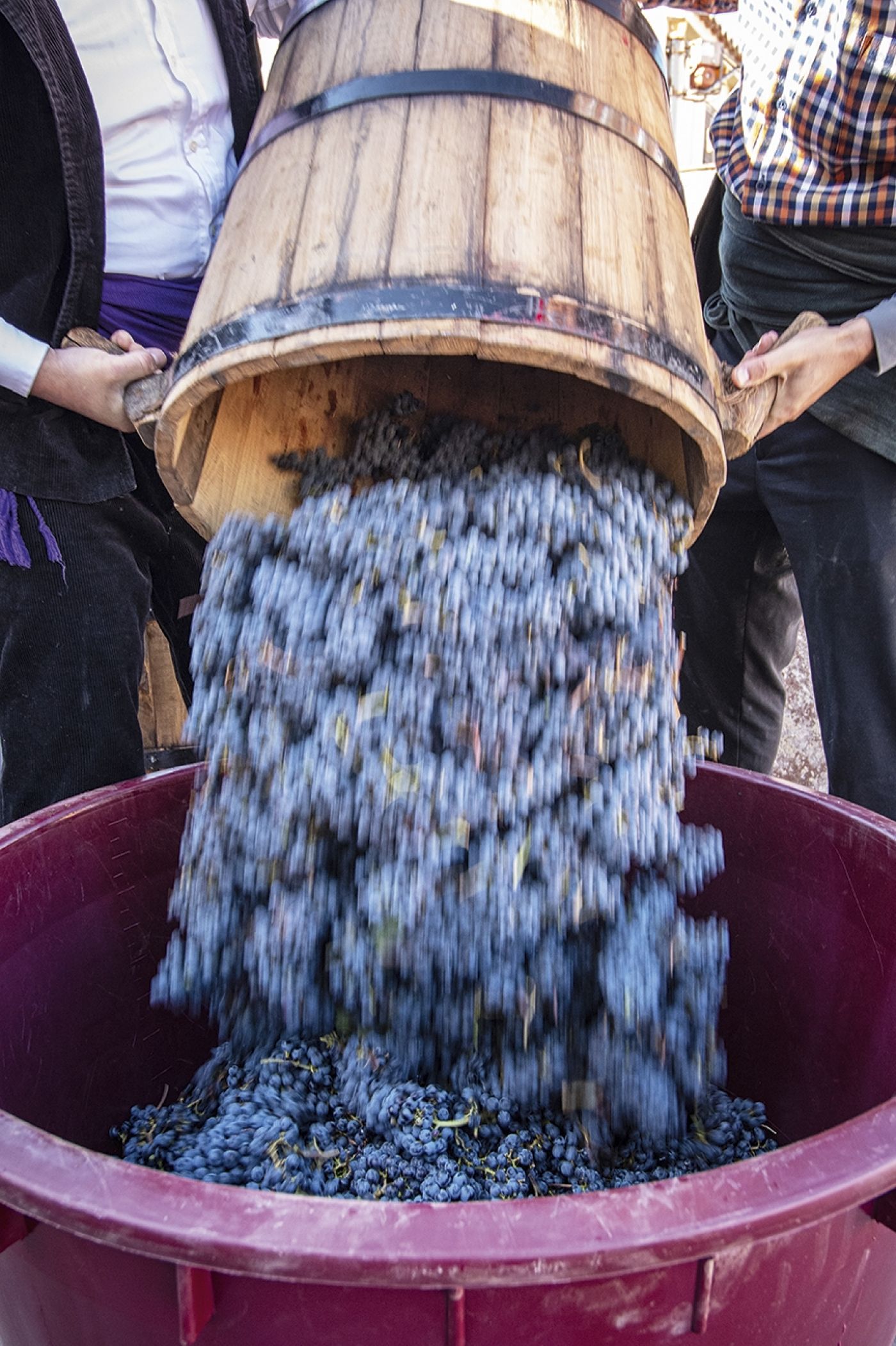
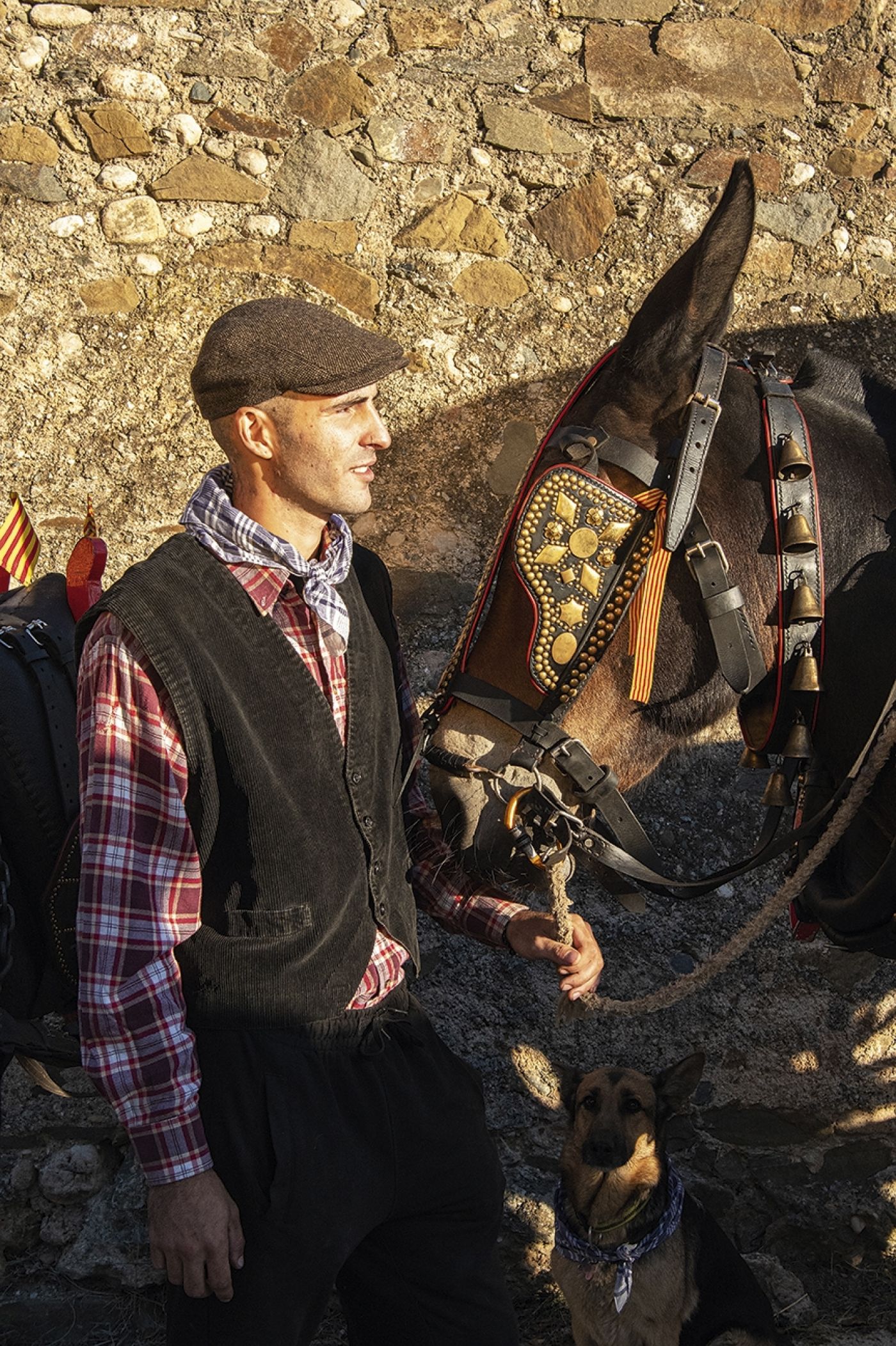
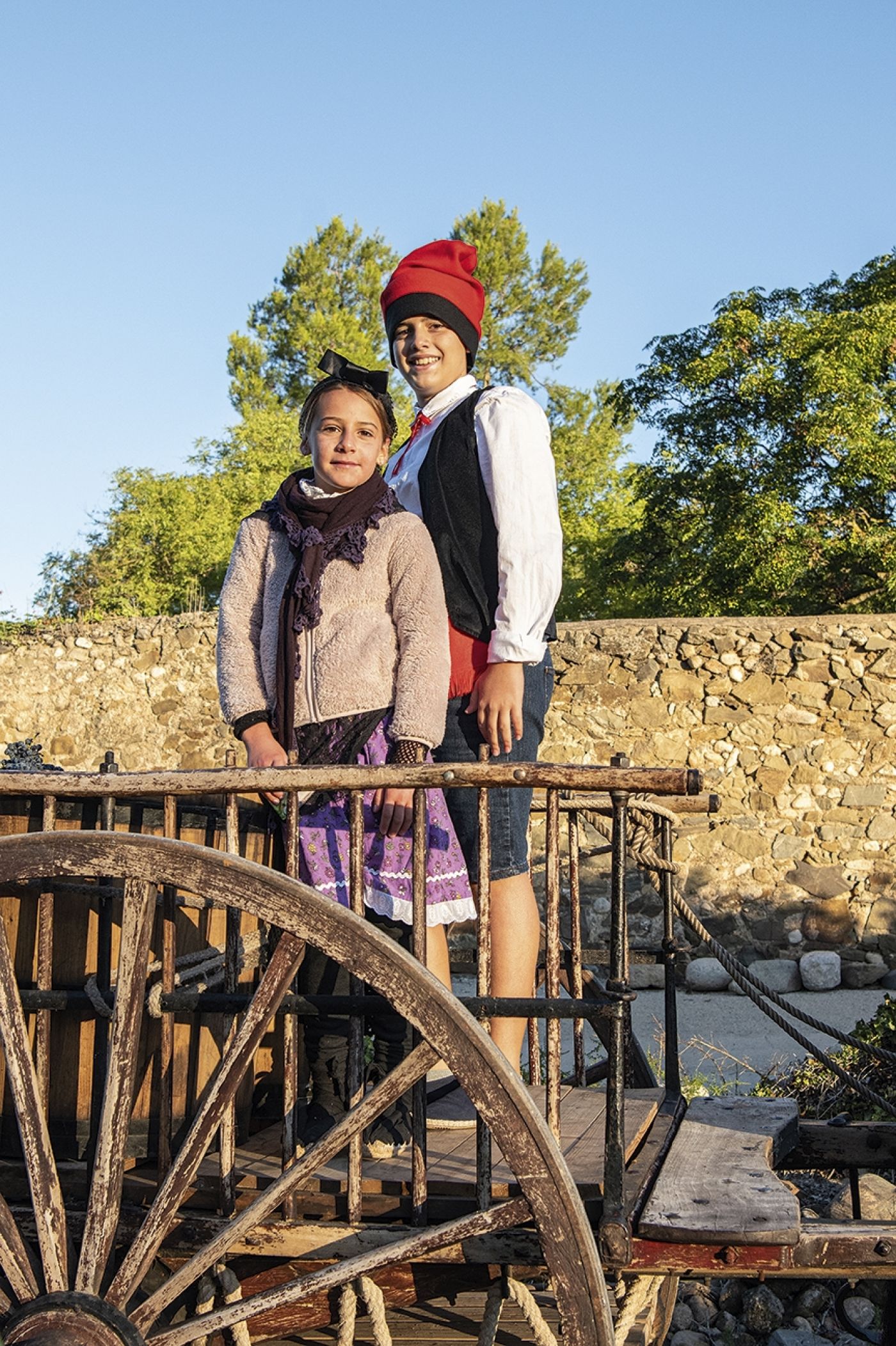
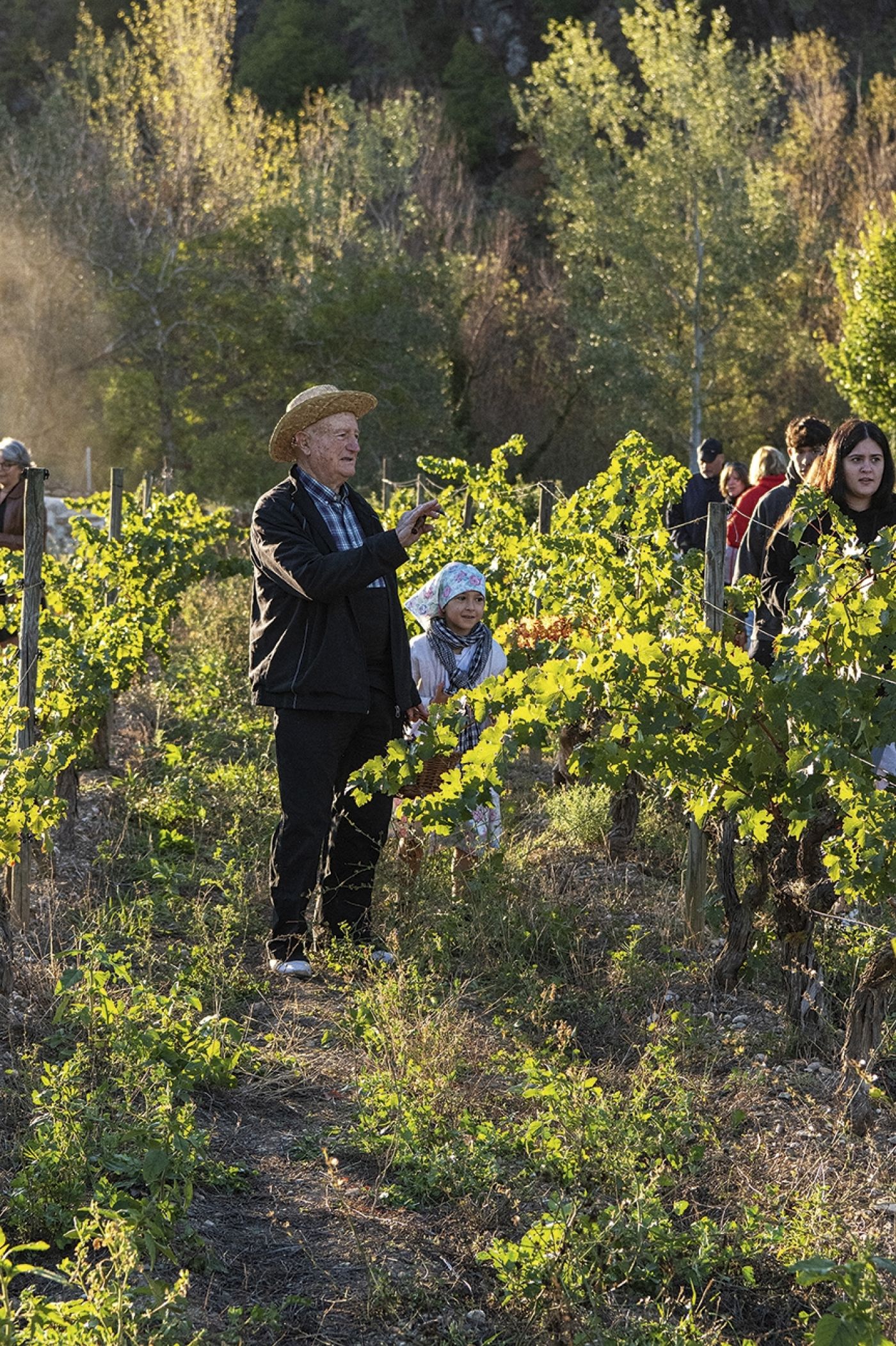
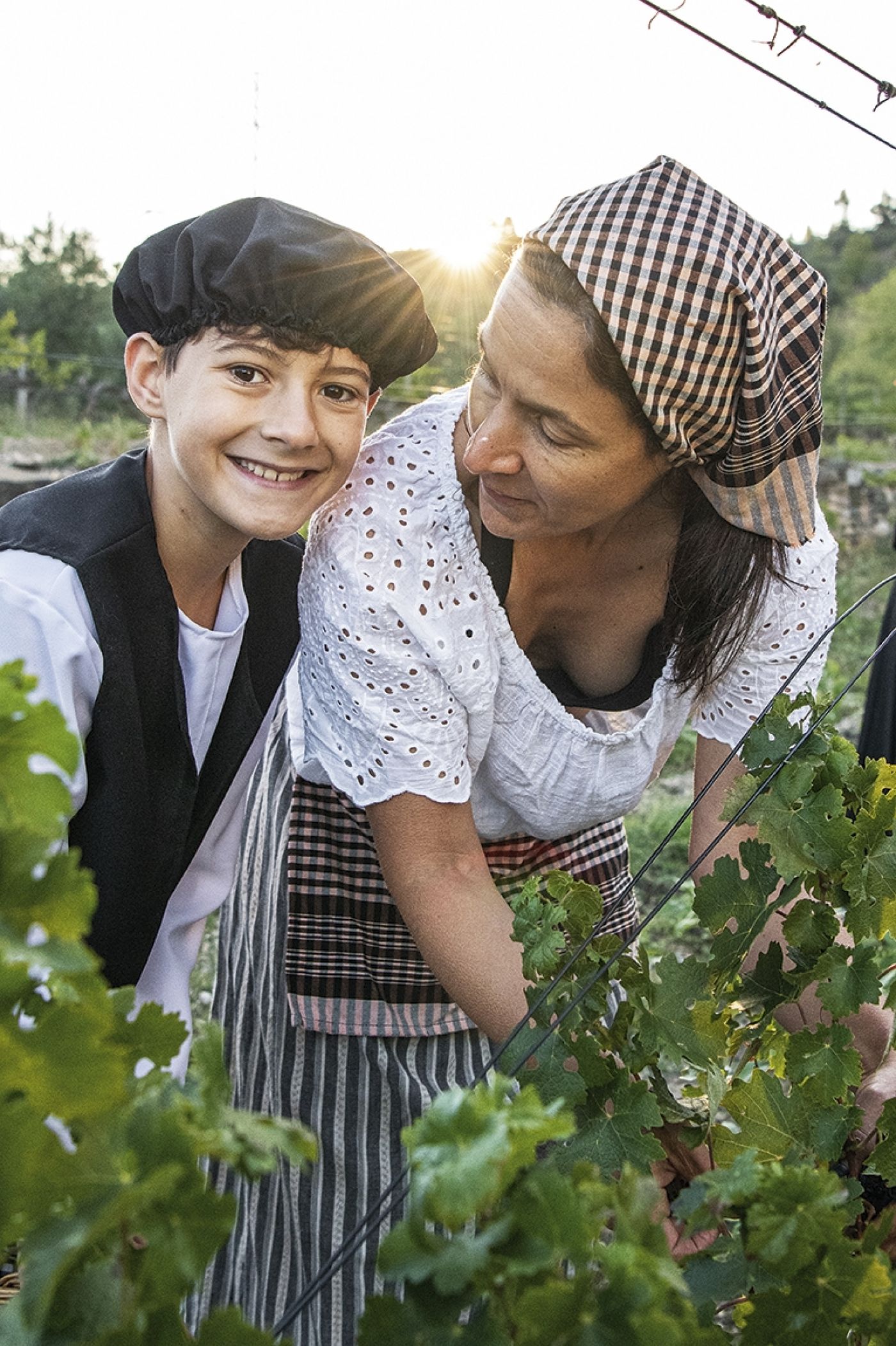
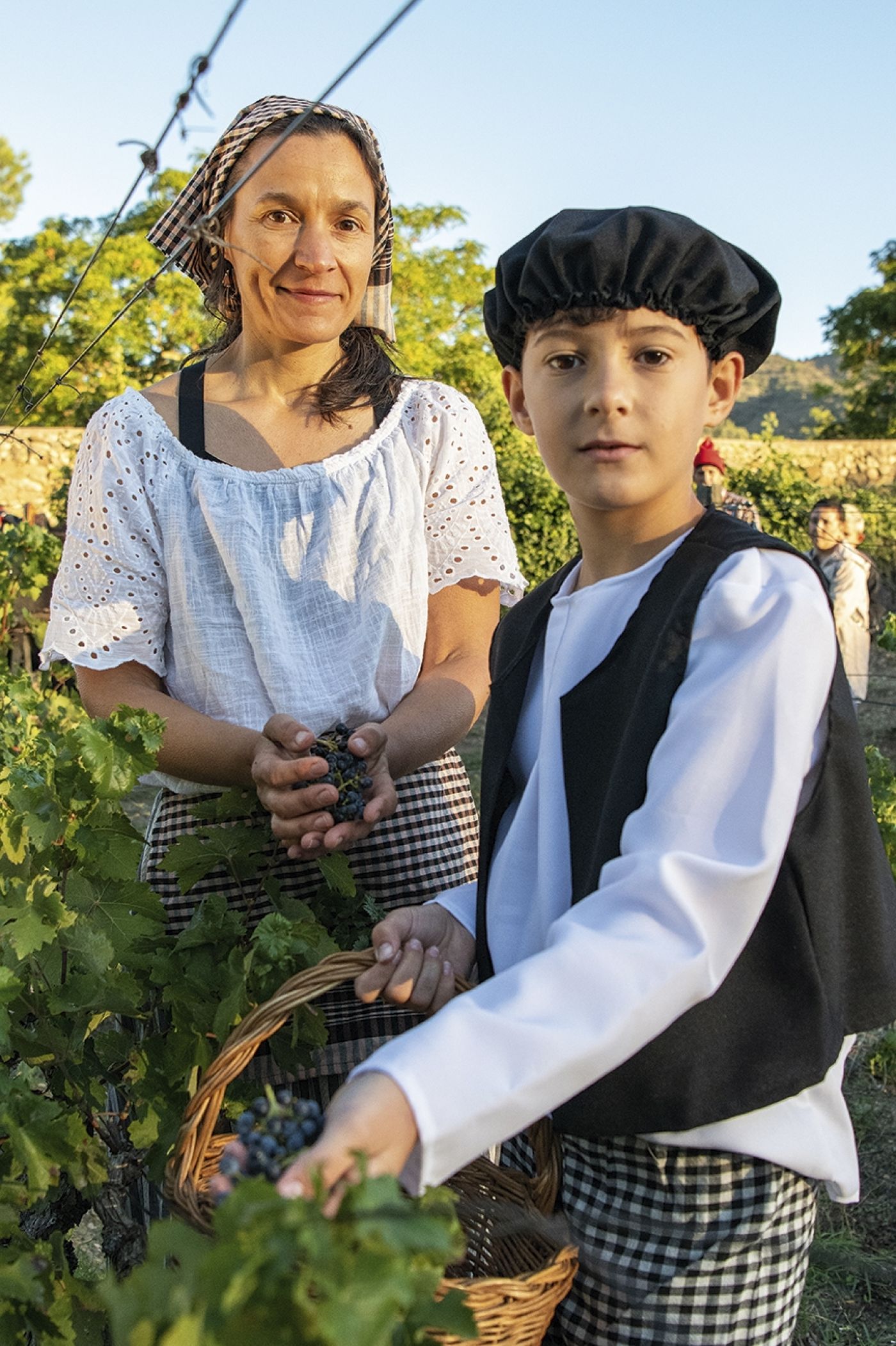
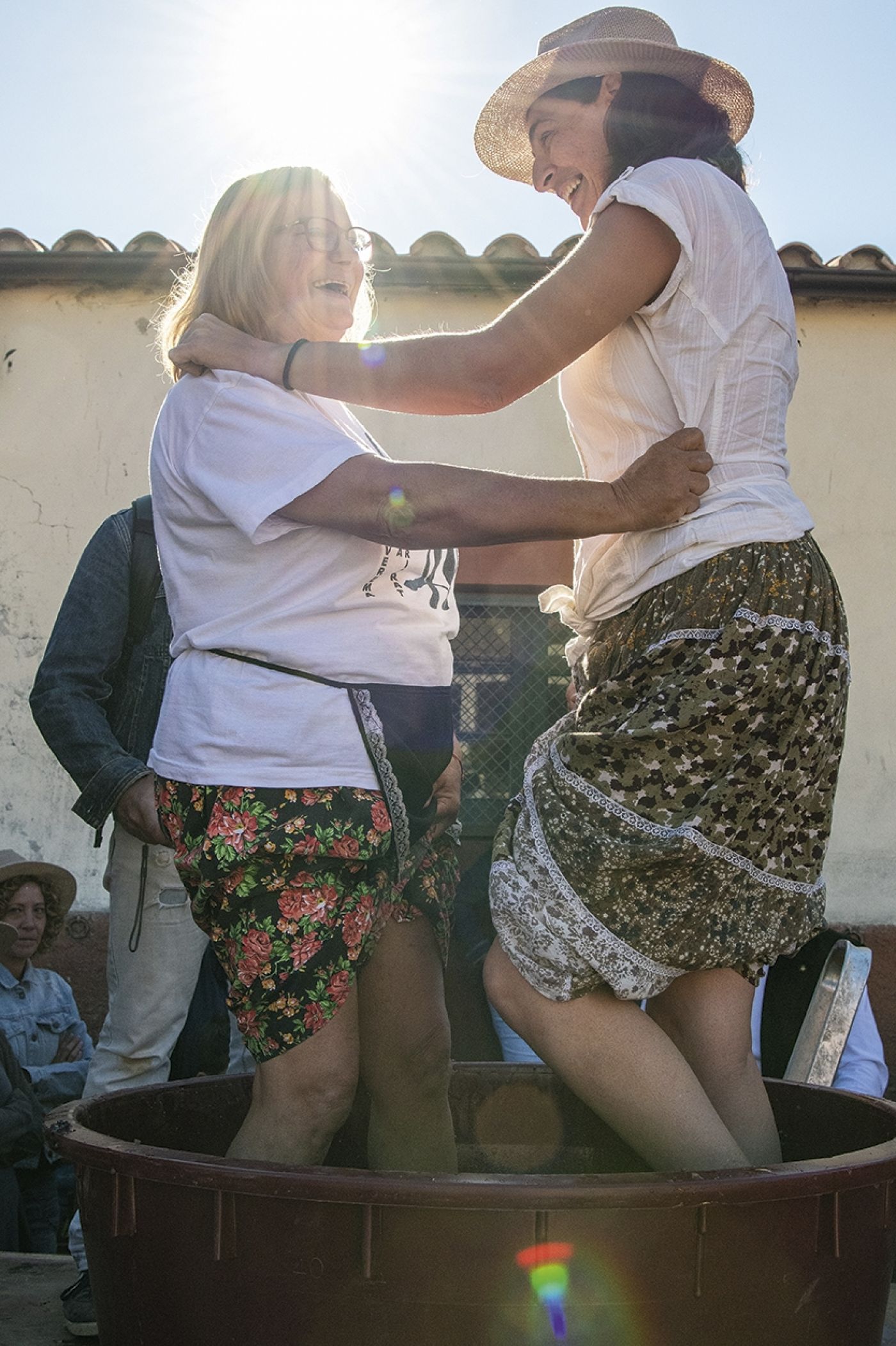
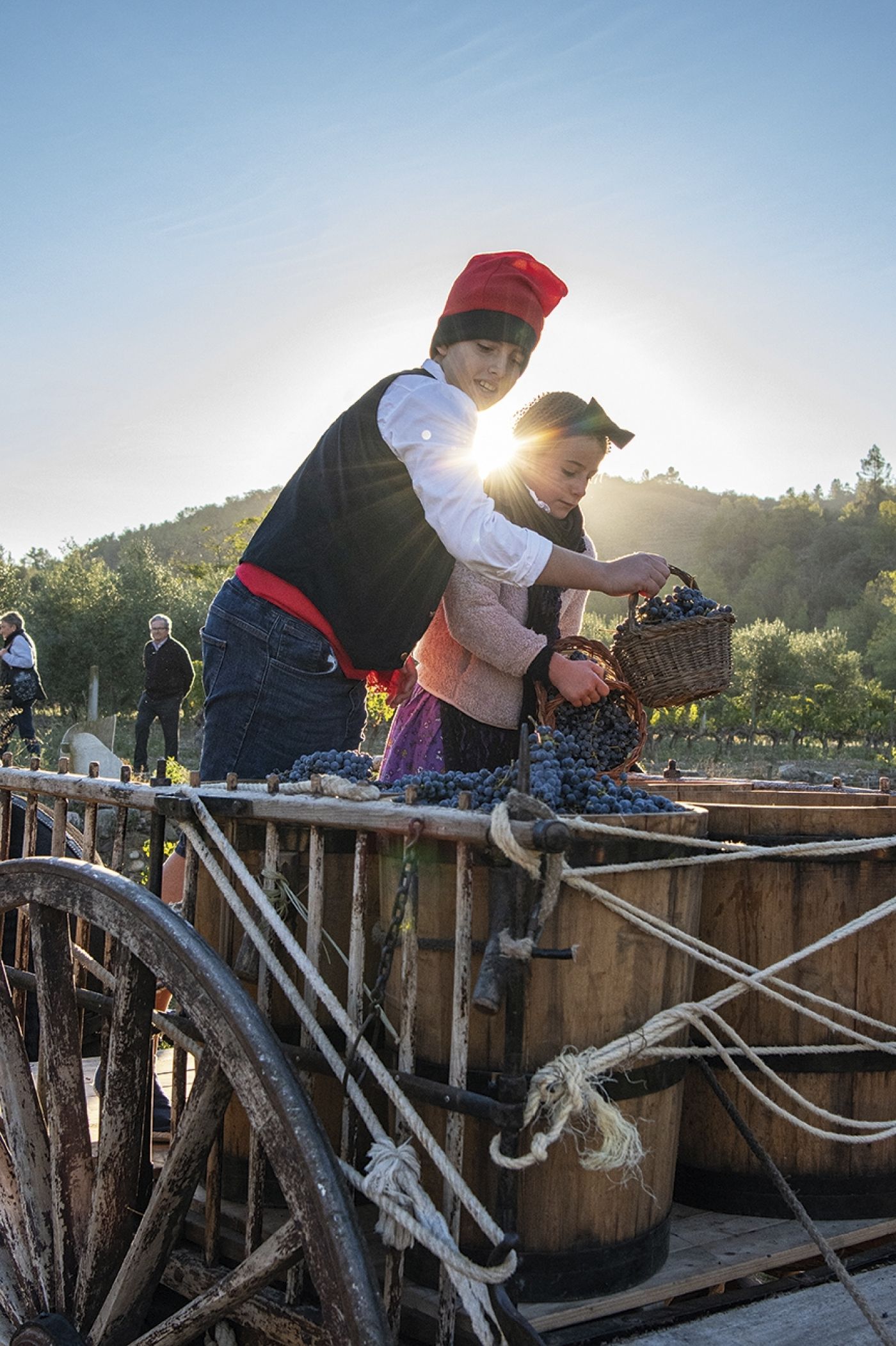
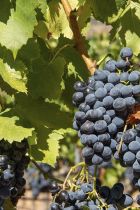
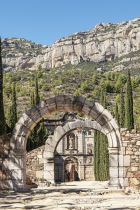
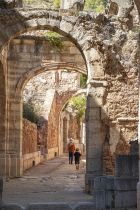
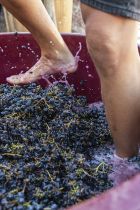
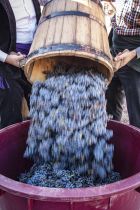
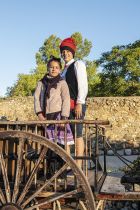
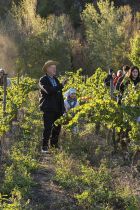
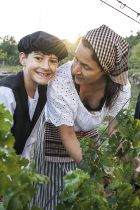
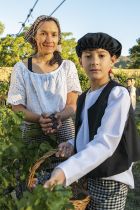
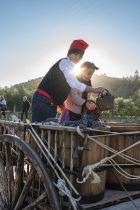
Inspired by the remoteness of the place, monks settled here in the 12th century. They built Escaladei, literally ‘ladder of God’, Spain’s first Carthusian monastery. And they planted the first vines. The ruined monastery is still there, magnificent in its decadence, its rose-tinted stone glowing against the Montsant mountain range. And the logo of DOQ Priorat is a ladder with angels carrying wine. A ten-minute drive separates you from the vineyards just outside Poboleda, where people are harvesting in traditional Catalan attire: women in espadrilles knotted with long ribbons on the legs, long skirts and a kerchief tied around the head, and below-the-knee trousers and red and black barretina cap for men. Kids reverse baskets full of grapes on to mule-drawn carts – later, villagers will crush the grapes by foot in the village square.
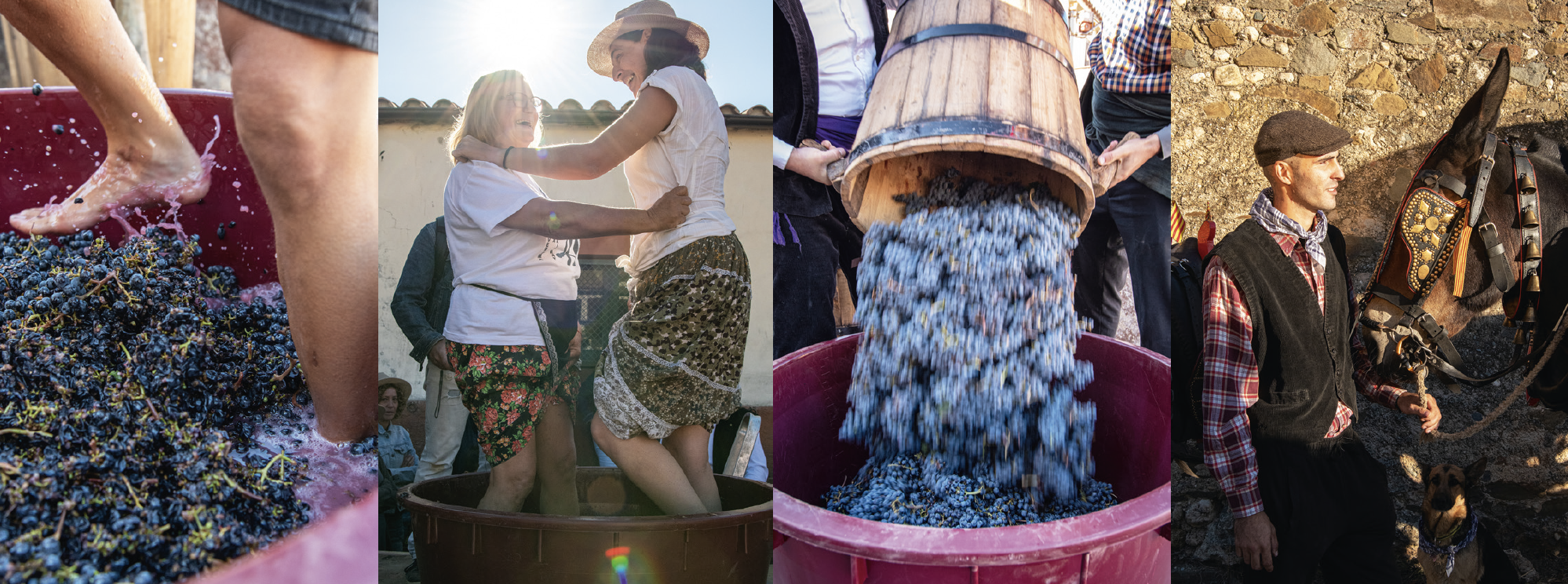
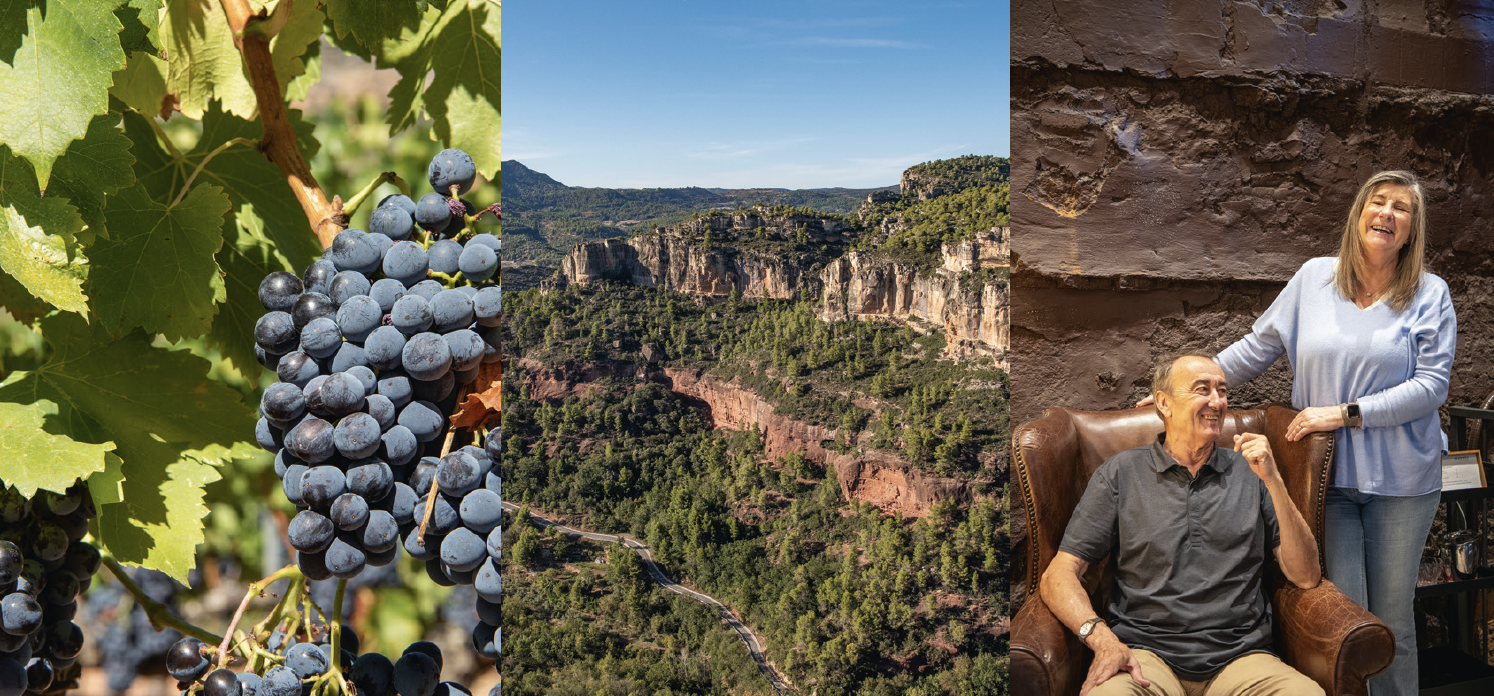
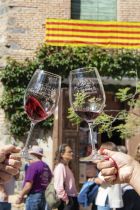
‘Poboleda started to celebrate the verema a l’antiga (grape harvest festival) in the 1990s. This year marks its 24th edition,’ remarks wine producer Salvador Burgos while snipping the bunches with his pruning shears. ‘There are 30 open bodegas in town offering tastings; it’s all about wine culture and its social aspect.’
Wine is much more than a mere product – it embodies a lifestyle and is intertwined with a deep-rooted history. This is not just folklore. What looks like the set of a period movie is in fact a snapshot of that late 19th-century world, just before the phylloxera pest hit, marking the start of a century-long decay.
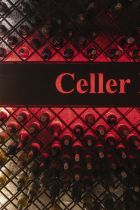
‘These fields were abandoned until the 1990s. Now they’ve been rediscovered, there is a new commitment to traditional methods and sustainable practices,’ says Brittany-born Valérie Tessier from Celler Pasanau. ‘That’s why this celebration makes a lot of sense. We repeat what people were doing back in those times. Protect the water, protect the ecosystem. And children get to learn it as well – water is precious, and you need to take good care of it,’ she concludes, smiling at her little boy, who is harvesting with her.
The renaissance of the region started during the 1980s, thanks to a group of visionary winemakers who recognized the potential of these ancient, abandoned vineyards. Among them, Álvaro Palacios, René Barbier, Daphne Glorian – names that are now synonymous with top cuvées and collectible status. They bought land and joined forces, planting garnatxa, carinyena and syrah. Back then, nobody even knew where the Priorat was, but their first vintages stunned the critics, placing this territory firmly back on the wine map.
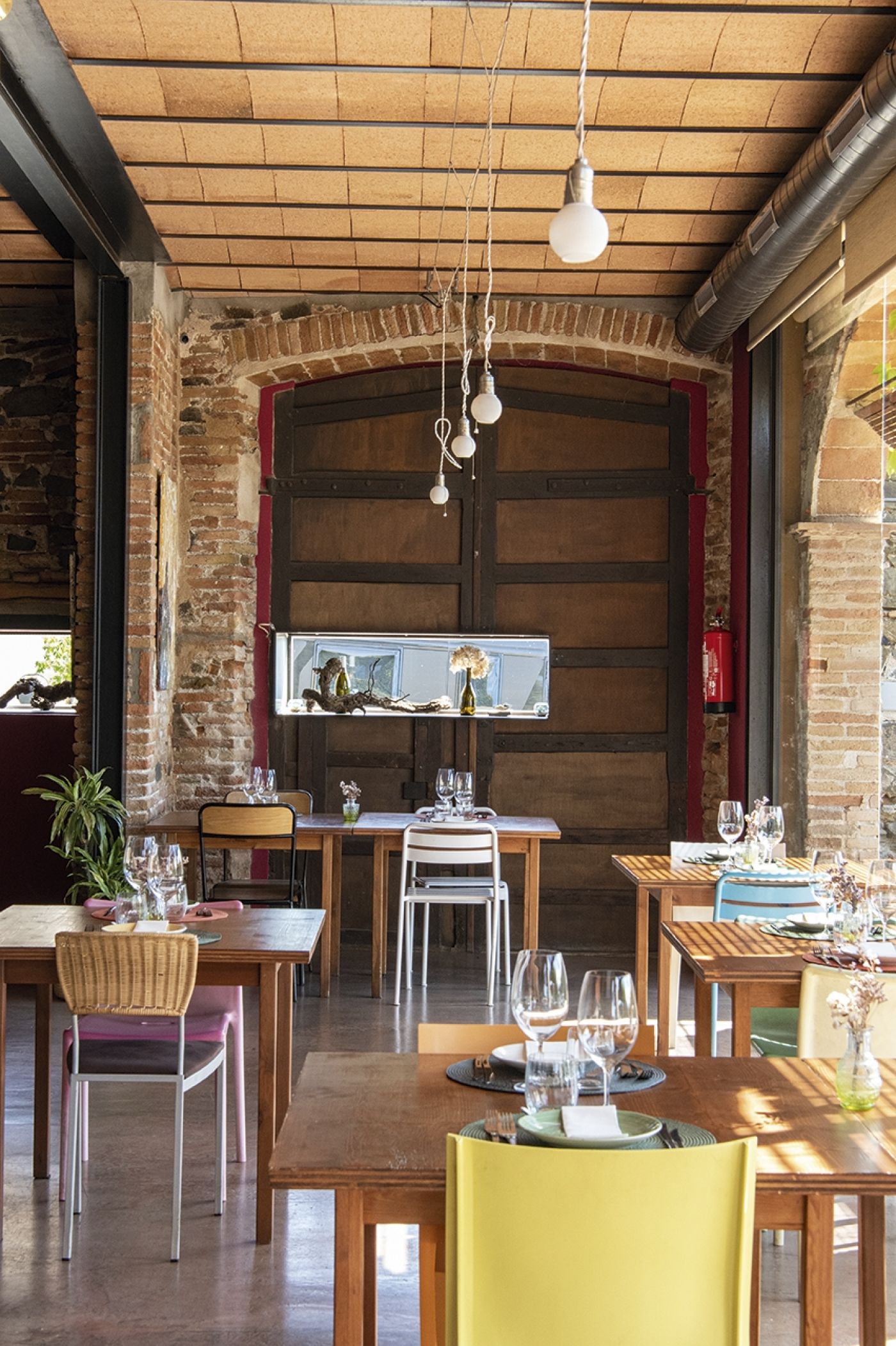
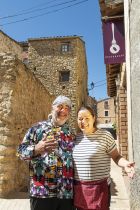
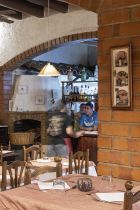
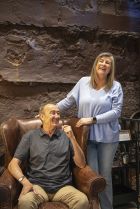
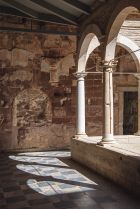
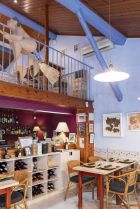
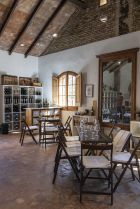
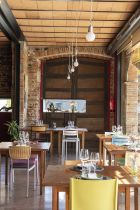
A wave of new winemakers followed. People who were born in the area and studied at the Escola d’Enologia in Falset, built their own wineries or breathed new life into their grandparents’ properties. ‘It’s a passionate territory – a lot of people worked hard during the most difficult moment of our history. While many moved to the city in search of a better future, others decided to stay,’ says Maria Jesus Sanchez, aka Txus, as she sits under the vaulted arches of her restaurant, La Morera, in the eponymous village. Txus is also the president of Priorat Enoturisme, a private association of some 60 small entrepreneurs dedicated to the valorisation of the area.
‘These territories are still unexploited and little altered,’ she says.‘We are committed to tourism – which does not mean forgetting where we come from, but rather showing who we are and what we stand for. The wine reflects all this, in each and every bottle.’
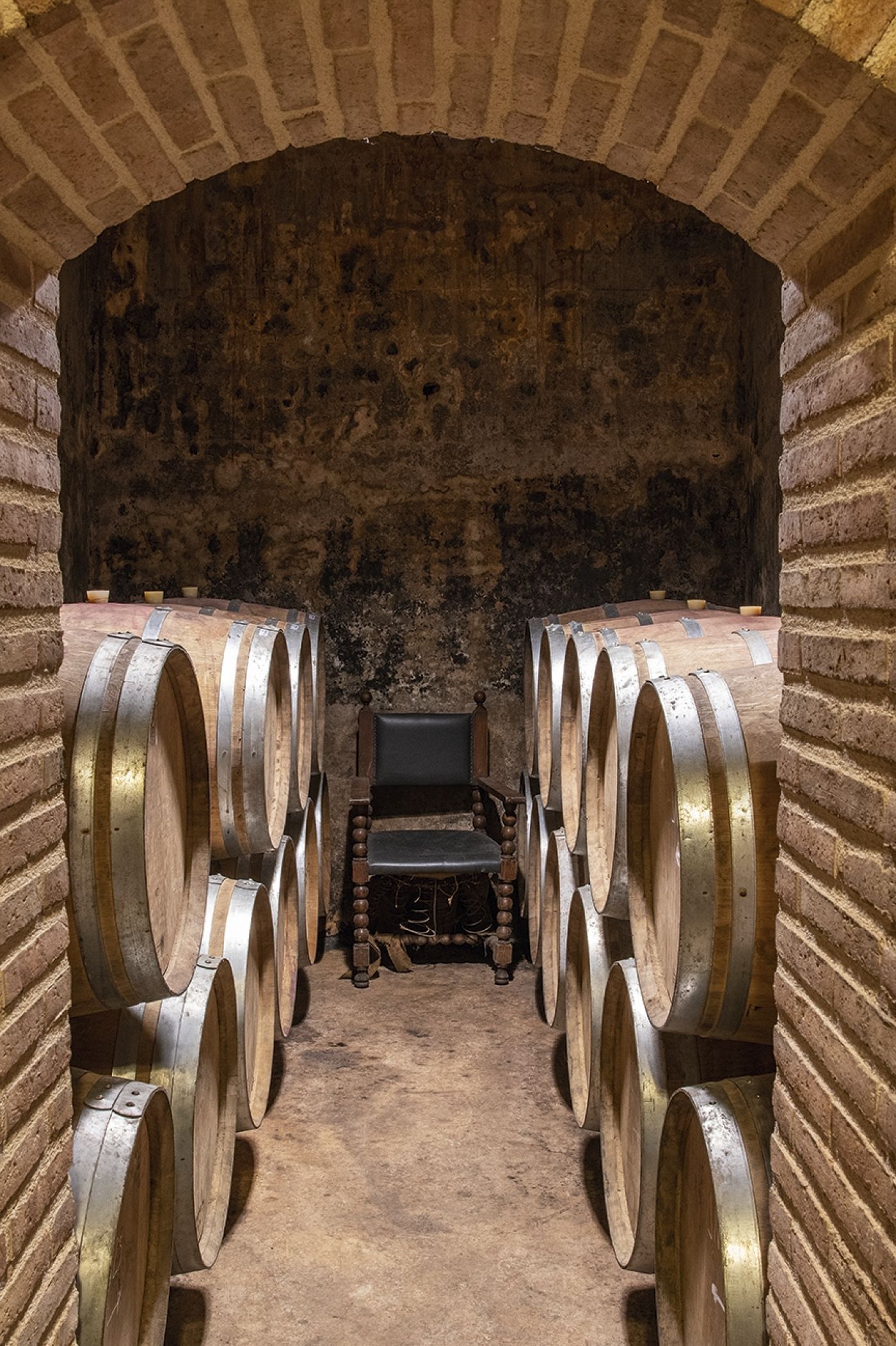
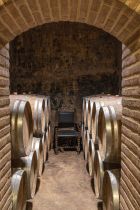
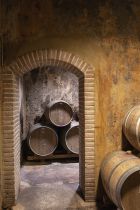
Even major brands want to count a Priorat among their wines thesedays, but it’s the smallest producers who better express the qualities of the territory. And in Gratallops, a village of 232 inhabitants, there are between 20 and 30 winemakers. In the historic centre is the Clos Pachem winery, housed in a cathedral-like structure that was the brainchild of Swiss Michel Grupper, who entrusted its construction to the prestigious Harquitectes architects from Sabadell in 2019. The fermentation vats are in a three-storey-high central nave, the heart of the building. Thick walls and air chambers keep the building 100 per cent naturally refrigerated and provide total hydrothermal stability.
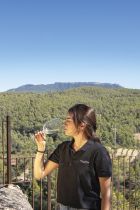
‘We took a biodynamic and organic approach to cultivating the land and we envisioned the winery itself contributing to the process,’ says sommelier Gemma Morató. ‘Land and cellar are two sides of the same coin, reflecting who we are and our methodology. She offers a glass of Pachem from 2020 – 100 per cent garnatxa (grenache) grapes from different areas of the Priorat.
‘What sets us apart is our minimalism, in the bodega as well as in the vineyards,’ she continues. ‘We follow the principles of regenerative agriculture. We don’t add chemicals. We want to make wines where the grapes are allowed to express themselves, with little intervention from our side. No need for “make-up”.’
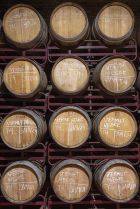
French oak ageing is minimal. Steel, concrete eggs and ceramic stoneware vats do most of the job instead, giving birth to very light wines. Atypical, in a way, given the wine critics’ adage that ‘you’d need a knife and a fork’ to drink the region’s potent wines. It’s an outdated view – modern Priorat is all about freshness and precision.
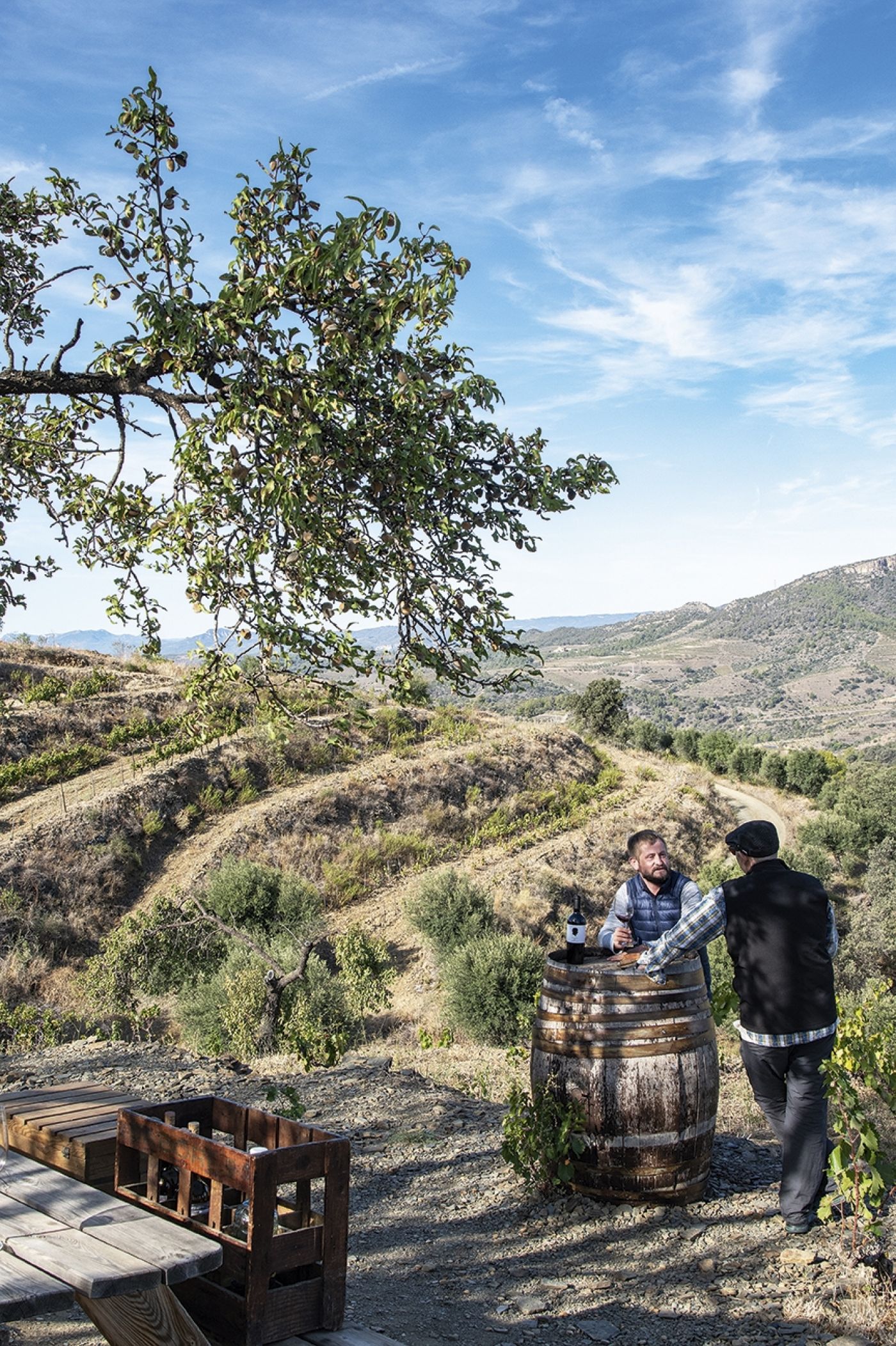
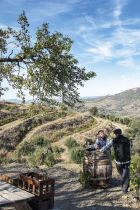
A bumpy ride along a dirt road leads to the tasting room at Celler Devinssi. ‘It’s in the shadow of the almond tree over there,’ announces Jordi Ustrell, pointing to a wooden table, benches, a couple of barrels: the simplest setting with a magnificent view. The slopes of olive groves and vineyards resemble an enormous staircase.
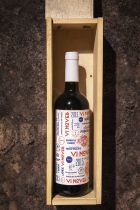
‘All the work is done by hand. You can’t fit a tractor there, so we employ mules for ploughing, like in the old times. It’s heroic viticulture,’ Jordi says while uncorking a bottle of Rocapoll 2020, 100 per cent carinyena grapes from a 105-year-old vineyard with an output per vintage of just 600 bottles. Carinyena, a variety well-known for its drought resilience, delivers lot of structure, complexity and resilience. Big pigments, bit tannins, big acidity.
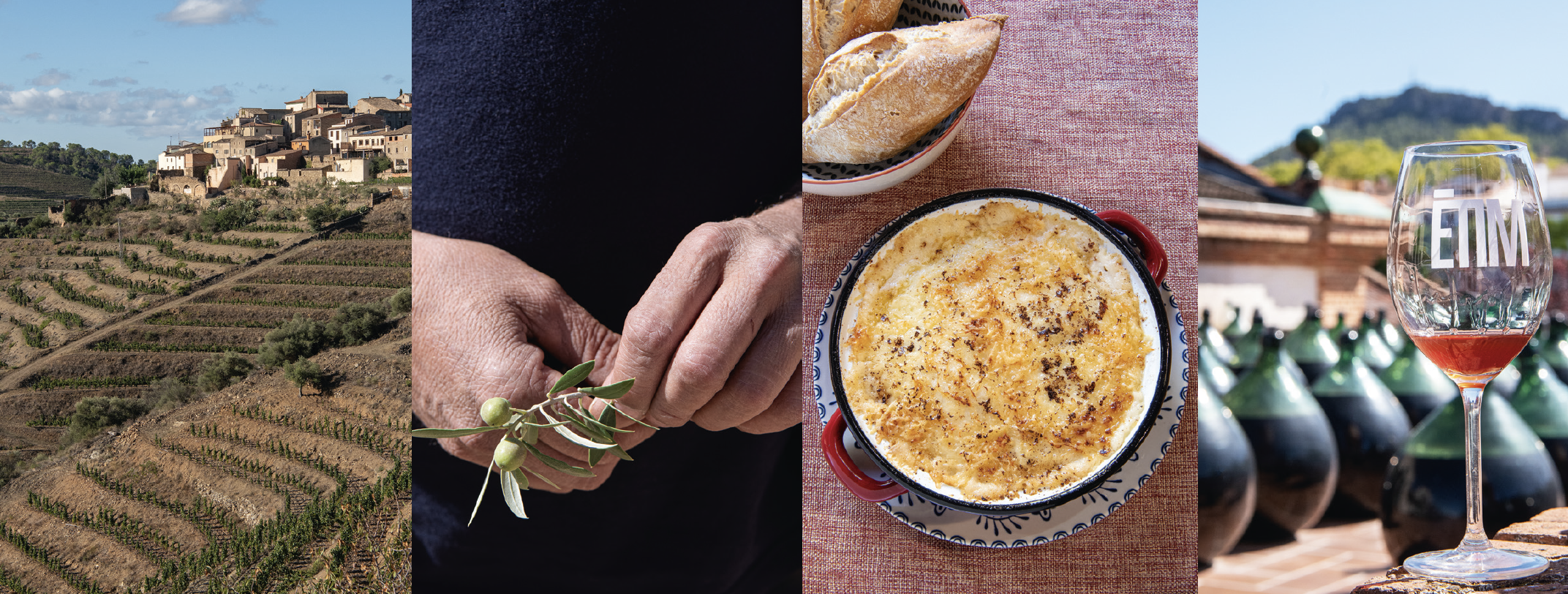
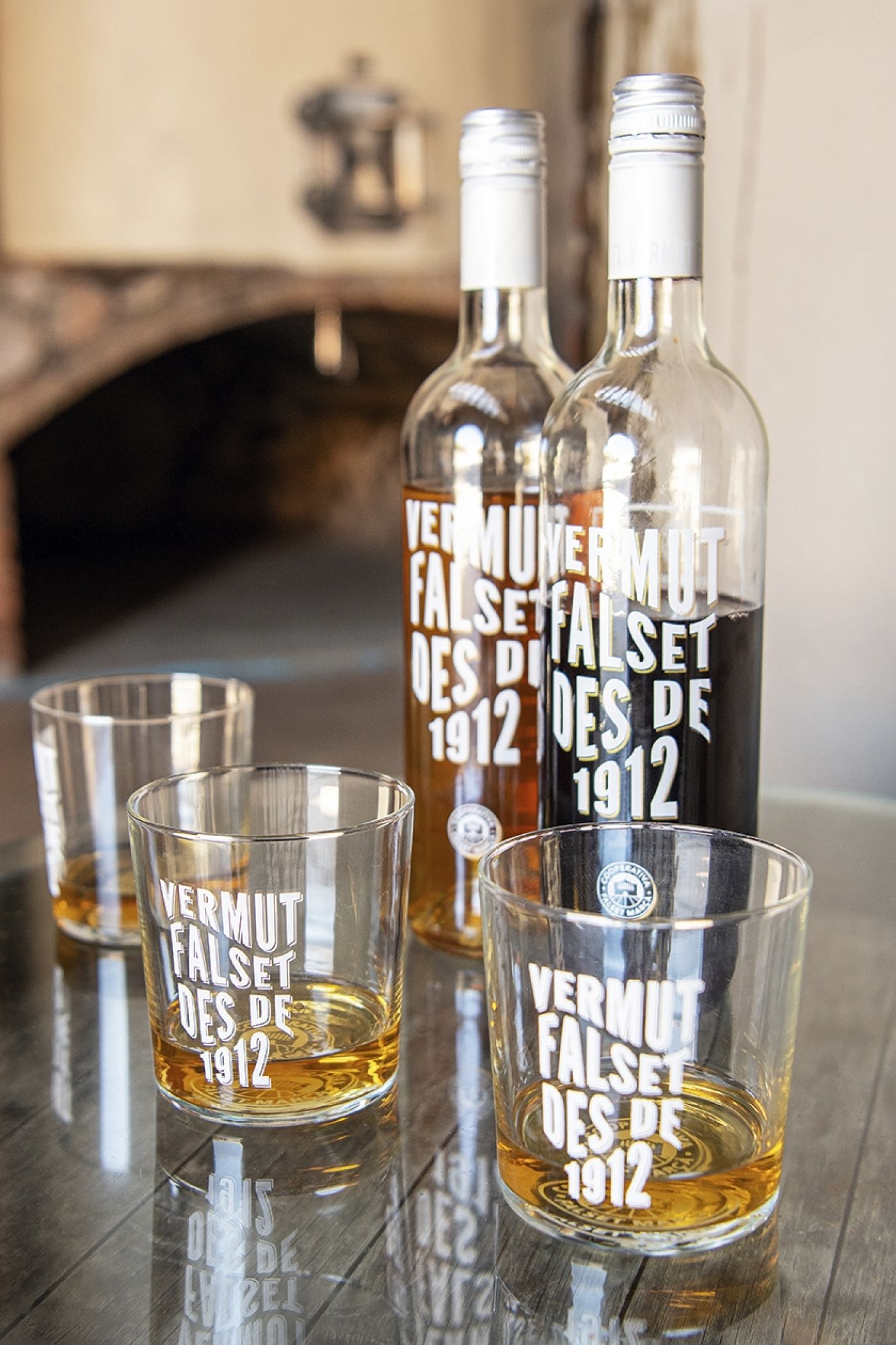
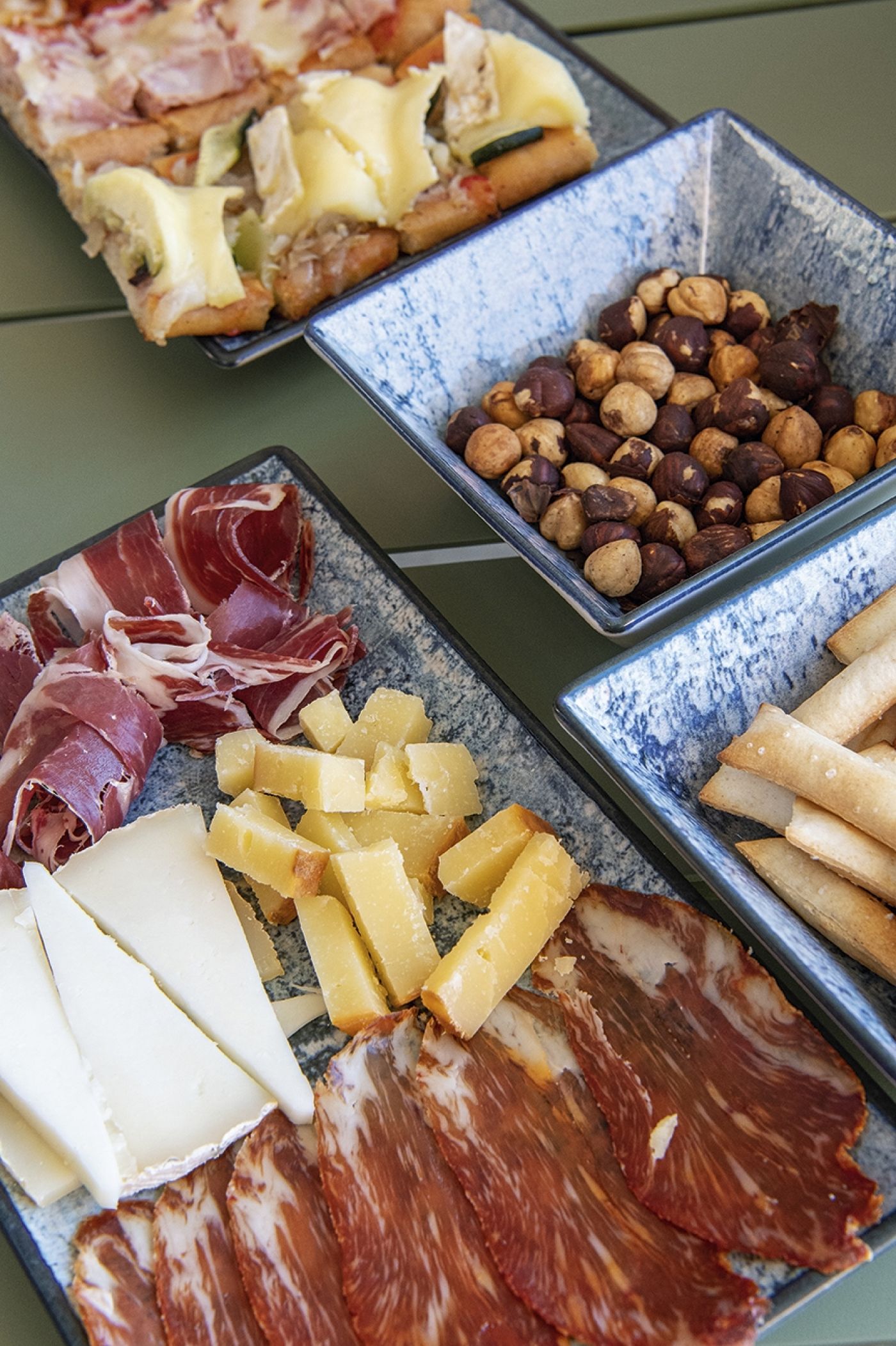
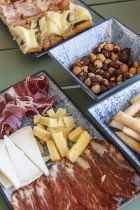
A customary pica-pica awaits at the table – local nibbles including pa amb tomàquet, the Catalan bread rubbed with Ariadna Lizaso. ‘Vermouth is crafted using a selection of 120 local herbs, including thyme, rosemary, chamomile and pennyroyal, and the bitter skin of blood oranges. The exact recipe of the year-long maceration is kept under wraps.’ The production of red vermouth started in the 1950s, but the white one is still the most beloved.
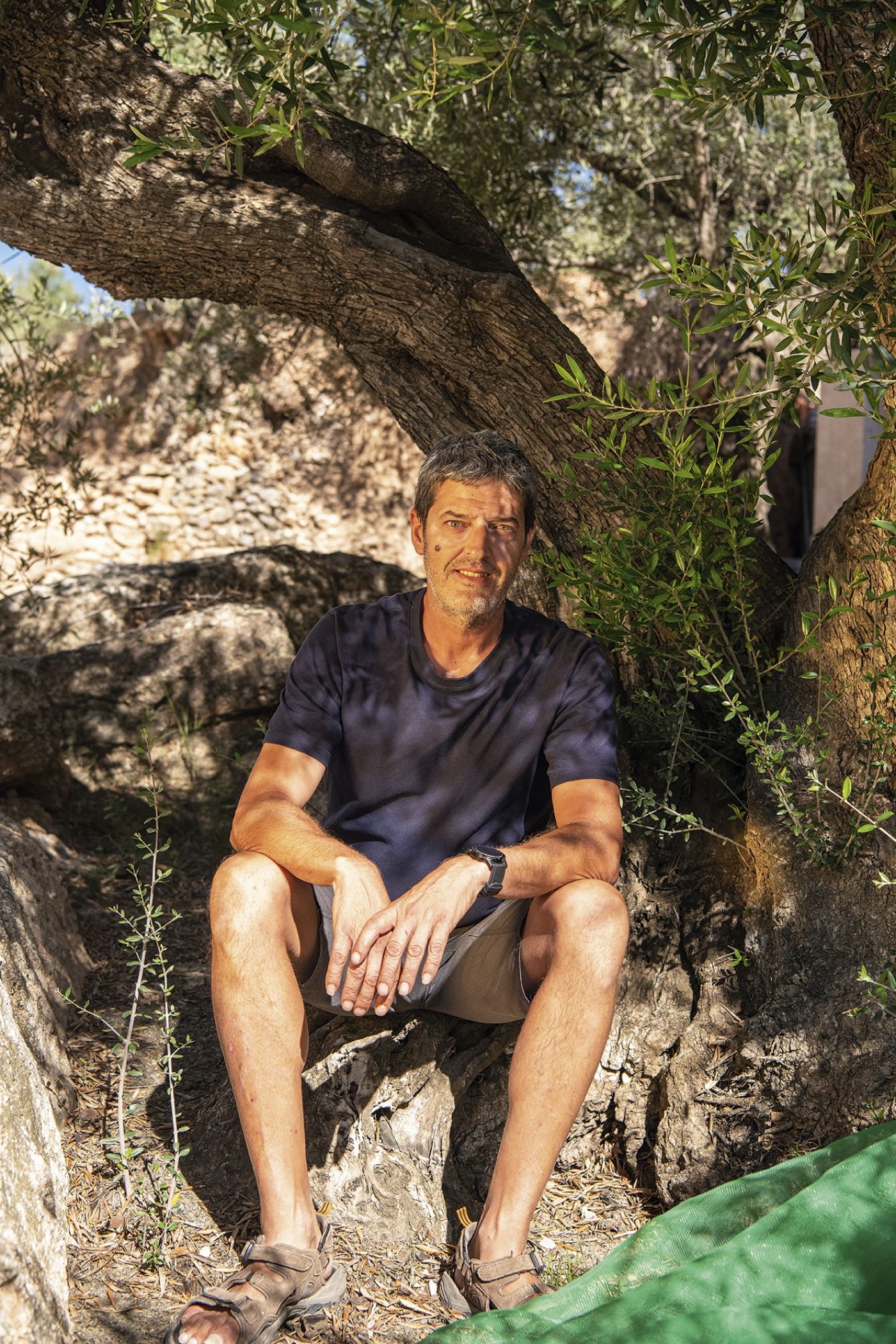
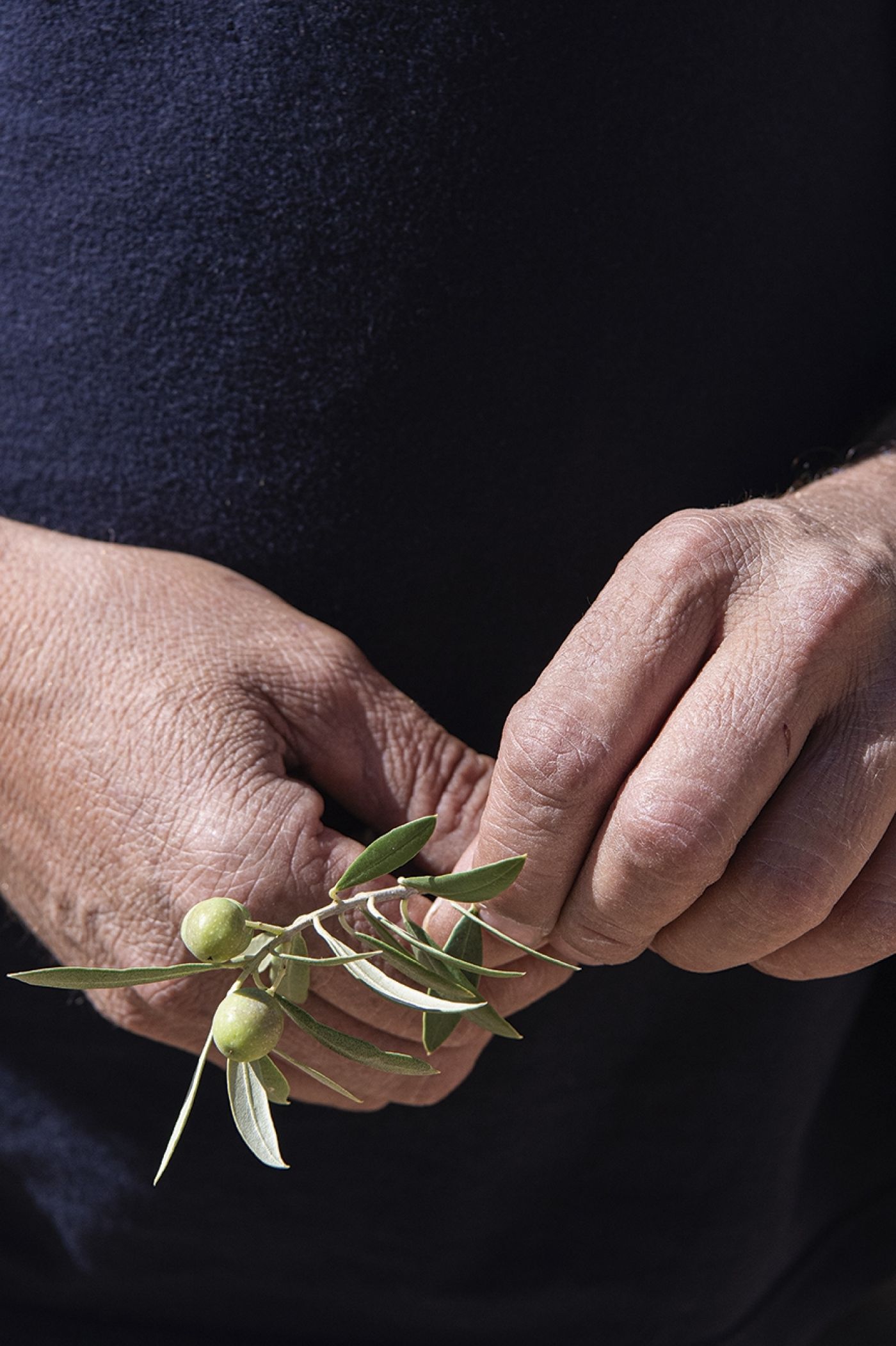
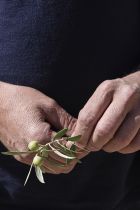
No matter what you eat, it will likely be accompanied by fragrant arbequina-olive oil. When phylloxera hit, olive groves took the place of vines and in Cabacés olives still dominate the agricultural landscape. There, Neus Cubells and her son Ricard Miró run their small business. After years of just delivering olives to the cooperative, they chose to embark on bottling and selling their own olive oil.
‘Priorat experienced a remarkable evolution in its wine culture. We are striving to draw attention to olive oil as well, encouraging people to come to the fields, meet the producers and learn about our methods and practices,’ says Ricard. ‘Our approach is the same as the winemakers’ – separating fincas and varieties, creating blends, crafting different olive oil profiles, from sweeter to bitter or spicy. The outcome is like artesania pura, true hand craftsmanship.’
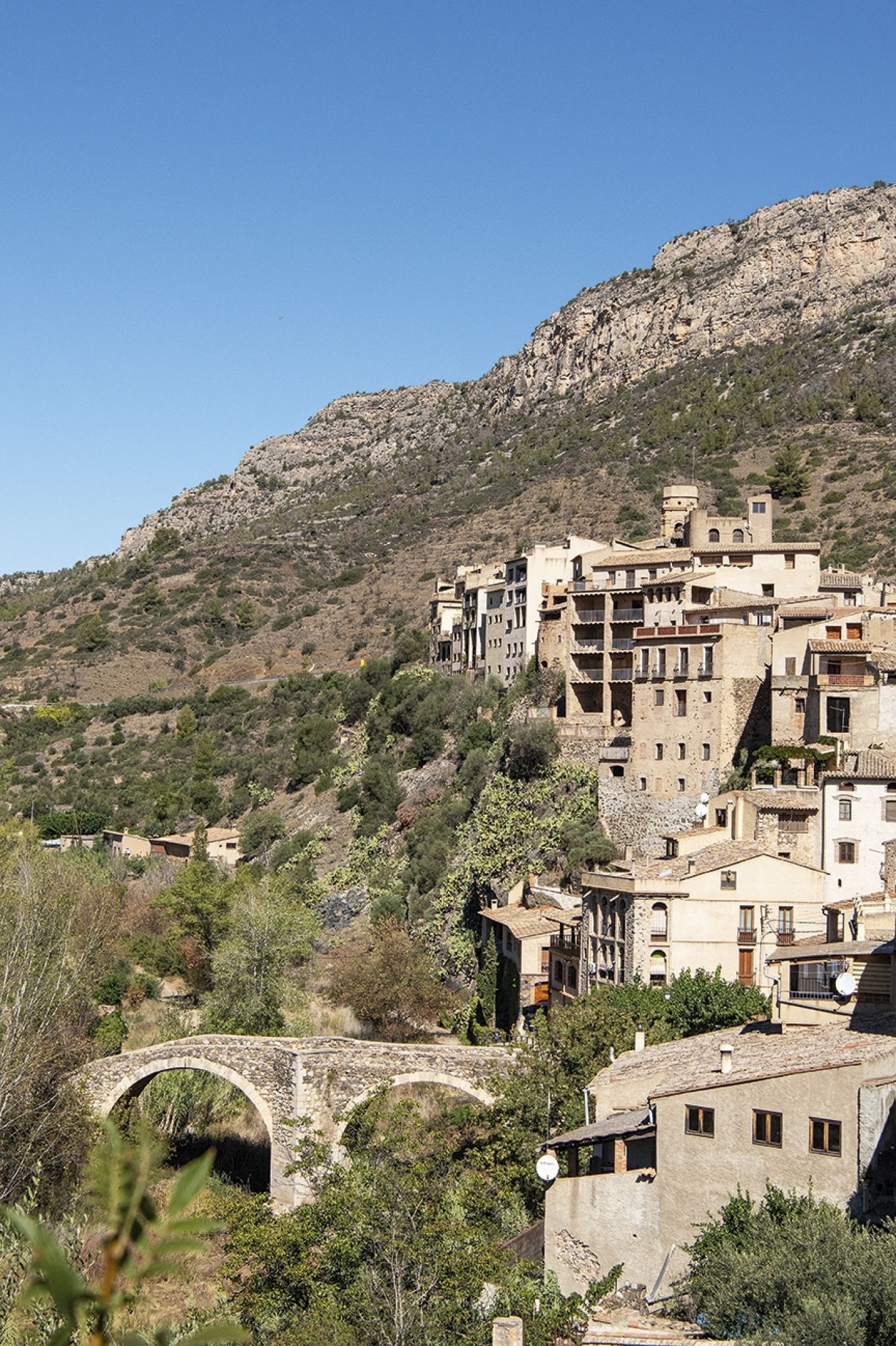
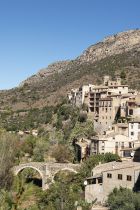
On the way to the small finca, where young olive trees have supplanted an old fruit orchard, the ancient bridge of El Pont Vell arches over an empty riverbed, a reminder of the scarcity of water. ‘This is a heroic territory, facing many challenges,’ says Ricard. ‘The lack of water is the most significant one, followed by the olive trees’ unpredictable behaviour. You might have an abundant crop one year, and none the next. But I keep the faith,’ he smiles. ‘The tree suffers until the very end and its robust personality is reflected in this oil. It mirrors the strong-headed nature of our people.’
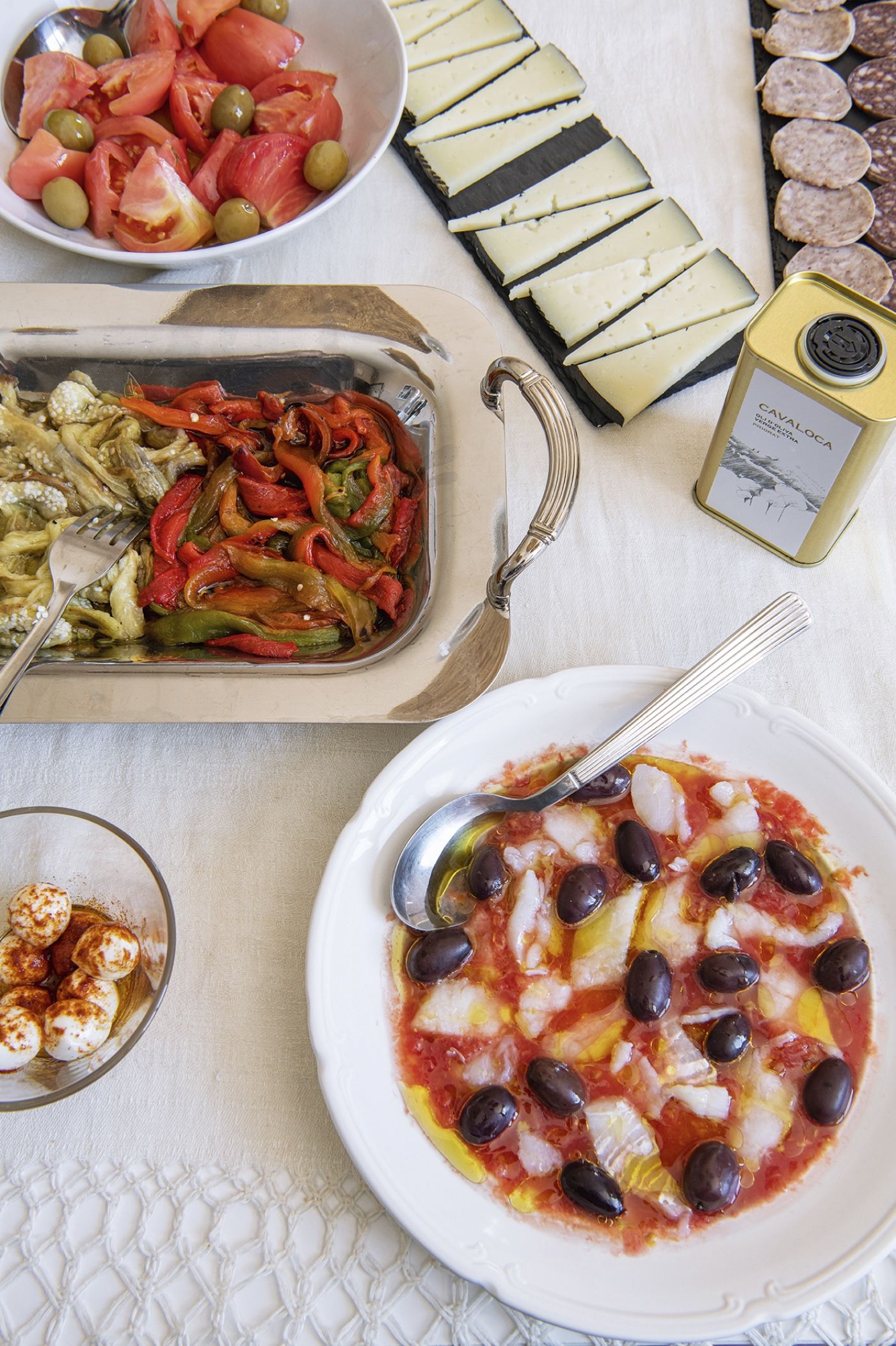
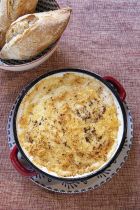
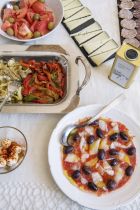
A lunch feast of escalivada (grilled vegetables) cheese, charcuterie, Ibérico ham, anchovies and salad awaits back at the property. Neus emerges from the kitchen holding a hot (and heavy) pot of truitaamb suc (tortilla with gravy) with two large oven mitts: ‘This is a cuina xup xup!’ she exclaims, referring to the slow-cooking method named after the bubbling sound of food boiling in a clay pot. Neus’ recipes are those of her grandmother. The truita, for example, was originally meant to be shared among farmers working in the fields. It is imbibed with the same nostalgic aftertaste of the bonbons that Neus brings out with coffee – where dark chocolate blends with the fruity notes of arbequina oil and a hint of sea salt. A nod to the long gone breakfasts of her childhood: bread with olive oil and salt – and, if you were lucky, a square of chocolate on top.
Food and Travel travelled to Priorat courtesy of Agència Catalana de Turisme and Priorat Enoturisme. turismepriorat.com
This article first appeared in the July 2025 issue of Food and Travel Magazine. To subscribe, click here.
Where to stay
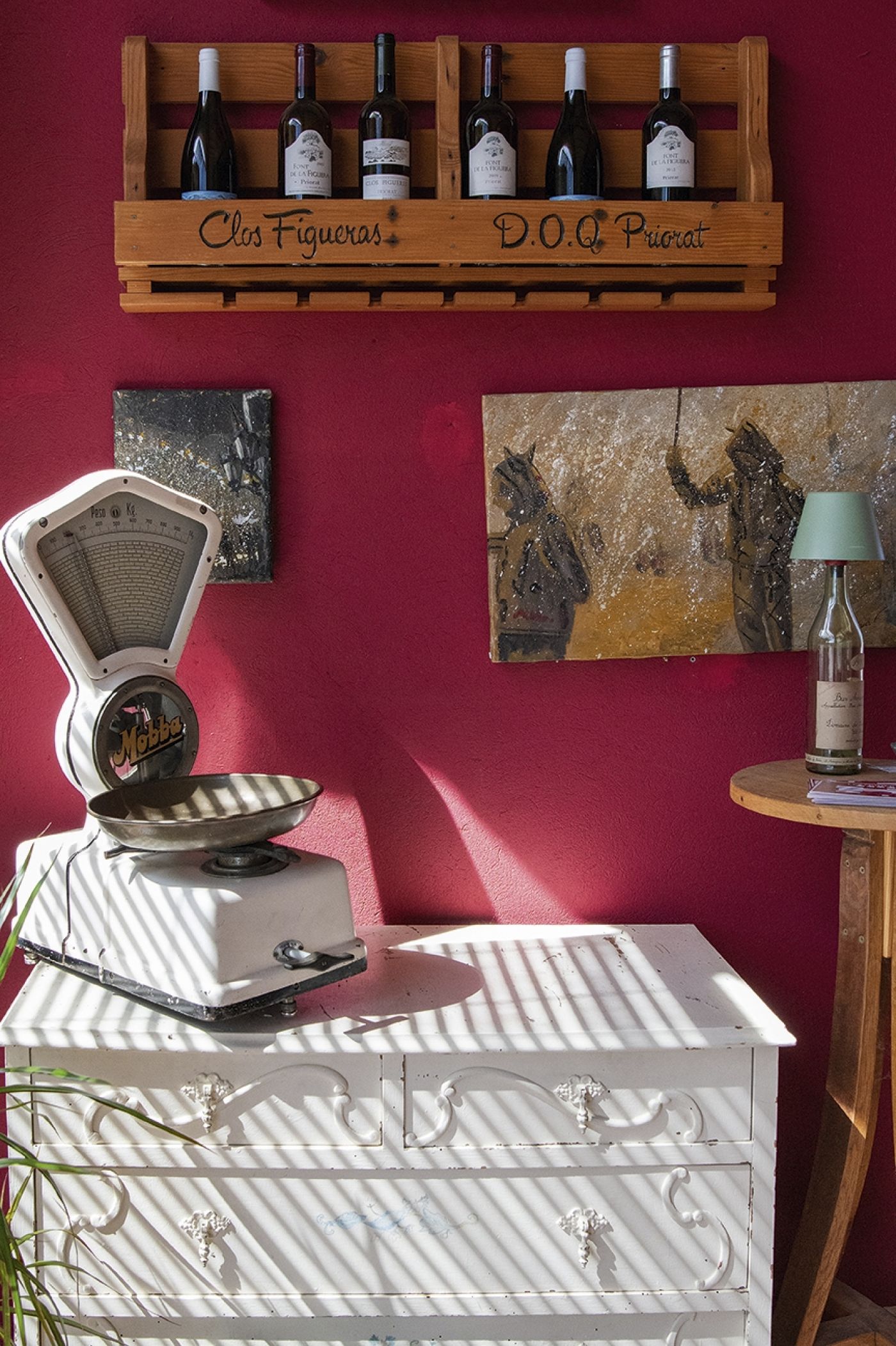
Clos Figueras For those who want to indulge in the joys of enoturismo, the Clos Figueras winery has three spacious rooms and an apartment, all featuring beautiful mountain views. Décor is simple yet elegant, with white interiors and exposed wooden beams. A guided tour of the winery and a wine tasting are included in the stay. An in-house restaurant is centred on organic and locally sourced ingredients. Doubles from £125, including breakfast. Carrer de la Font 38, Gratallops, +34 671 491081, closfigueras.info
Hotel Siuranella If it’s tranquillity you’re after, look no further. In the spectacular setting of Siurana, this charming address has six sleek rooms – ask for one of the three boasting breathtaking views over the Montsant mountain range. Breakfast with locally sourced products. The must-visit restaurant Els Tallers is in the same building (see Where to eat and taste). Doubles from £105, including breakfast. Carrer dels Rentadors 2, Siurana, + 34 977 821144, siuranella.cat
Lotus Priorat This hotel, housed in a former finca from 1799, in the heart of Falset, features six rooms and five apartments of various sizes, including a penthouse with large terrace, for up to five people. Bright colours are a recurring theme of the interiors, together with some rural touches that are a nod to the history of the place. Pets welcome (for a £8.50 supplement). On the ground floor, the informal restaurant and bar is open every day. Youthful, friendly service is the icing on the cake. Doubles from £76, including breakfast. Carrer de Baix 33, Falset, +34 606 683038, lotuspriorat.com
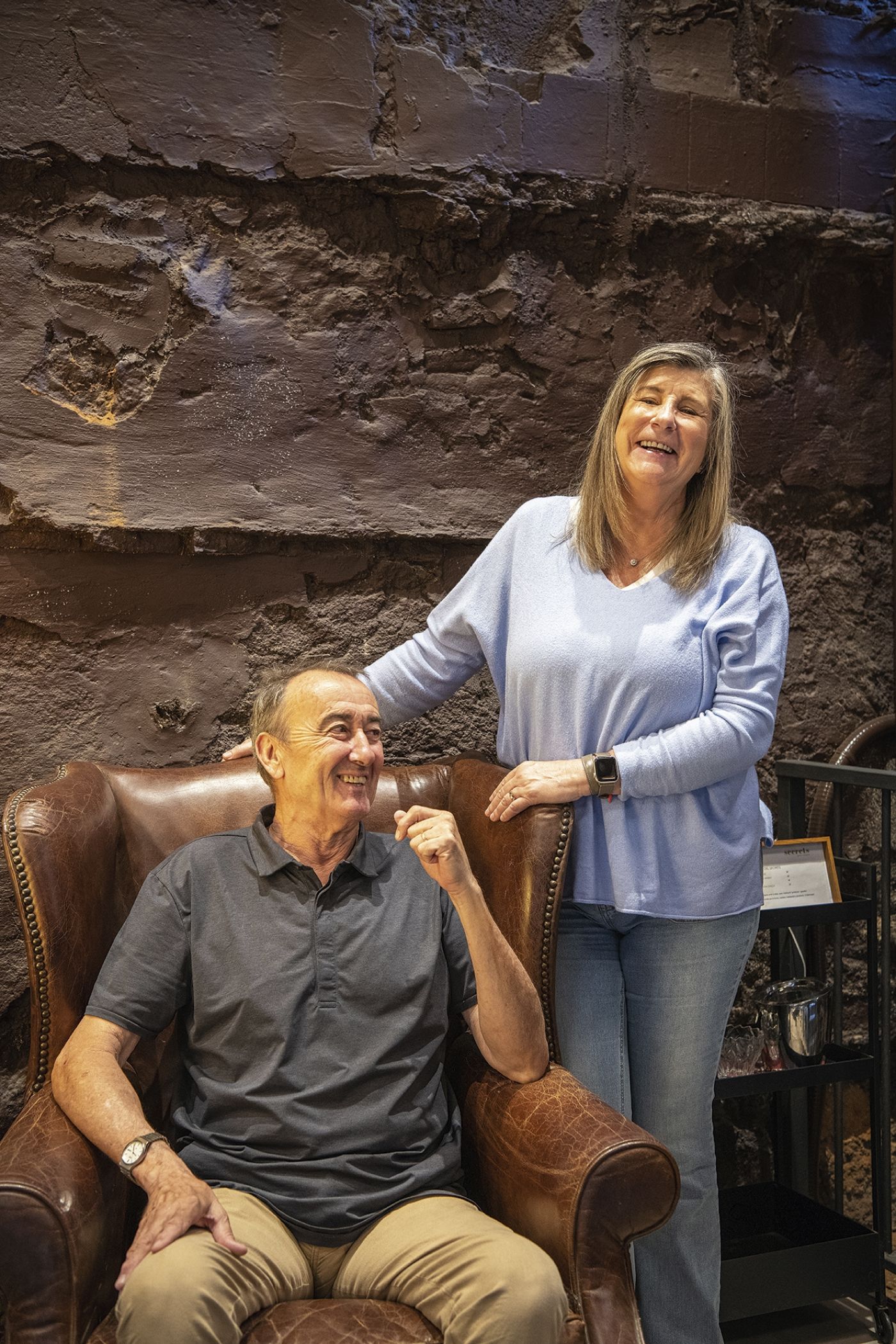
Secrets Hotel Priorat Husband-and-wife team Clara Padrell and Gonzalo Gracia painstakingly restored an 1829 stone and wood building in a quiet alley in Falset and converted it into this small hotel with bags of personality – think stone walls and even a Roman stone vault found in the basement. The ground-floor lounge features quirky interiors and eclectic furniture, all under the watchful gaze of a Virgin Mary statue positioned in a period niche (the ‘secret’ in the hotel’s name hints at its potential history as a former chapel). In contrast, its six rooms are cosy and simply furnished. The kindness of the owners and an excellent breakfast with local produce give added value. Doubles from £97. Plaça de la Quartera 23, Priorat, +34 977 174784, secretspriorat.com/en
Travel Information
Priorat is a renowned wine region in Catalonia, situated in north-eastern Spain. It is an area of outstanding beauty with a rugged landscape. The closest airports are Barcelona (a 1 hour 45 minute drive) and Reus, Tarragona’s airport, which is an hour away. Tarragona’s high speed train station is also 1 hour away; a car is a must to explore the region. The official language is Spanish, along with Catalan, but English is widely spoken. Currency is the Euro and time is one hour ahead of GMT.
GETTING THERE
Ryanair offers daily flights from London Stansted to Reus. ryanair.com
British Airways flies to Barcelona from London Heathrow and some regional UK airports. britishairways.com
RESOURCES
Turisme Priorat is where you’ll find useful regional information that will help you plan your journey. turismepriorat.com
Priorat Enoturisme is a private association made up of small local entrepreneurs that promotes the wine tourism industry in the region, with plenty of info on wineries and restaurants. prioratenoturisme.com
Where to eat
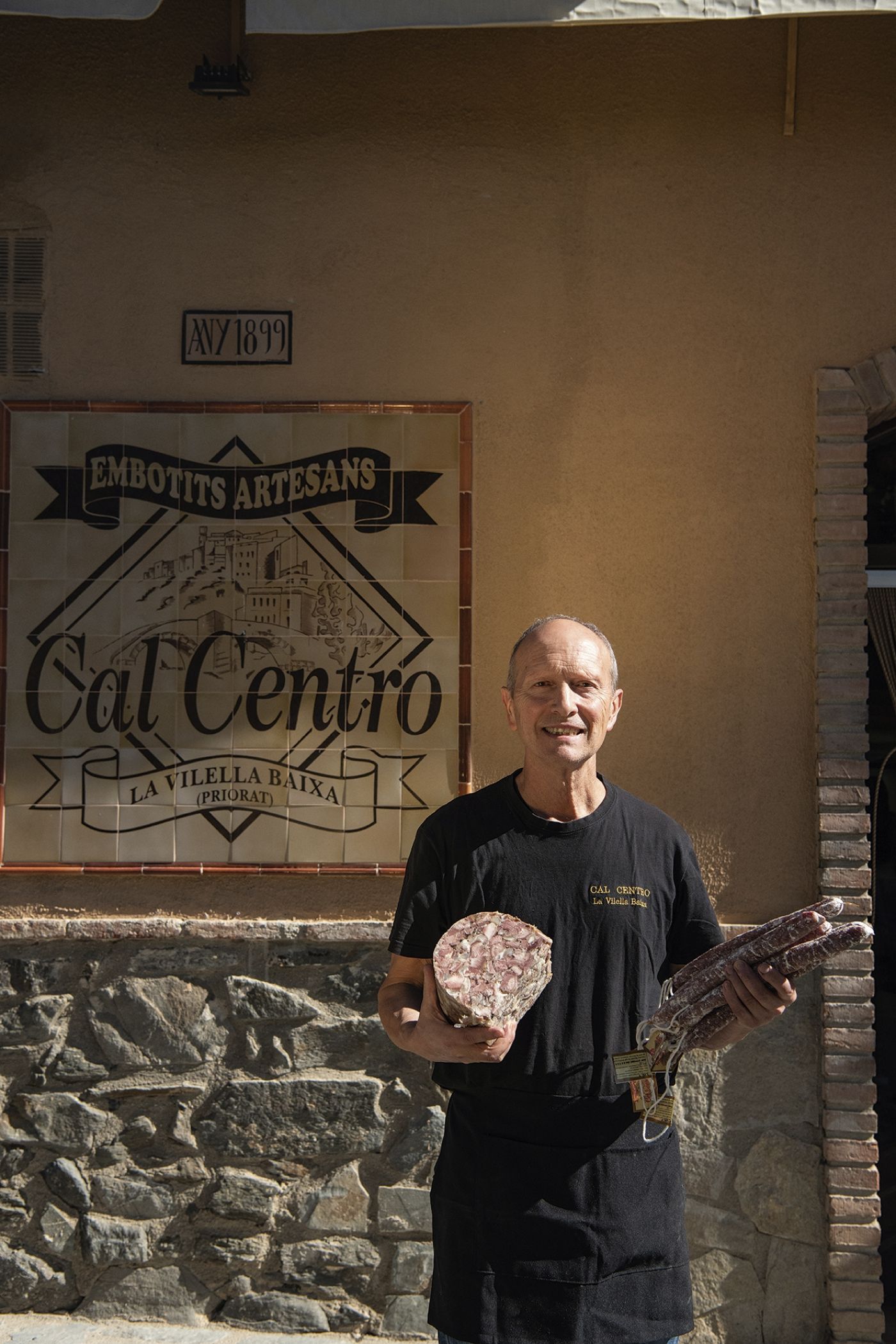
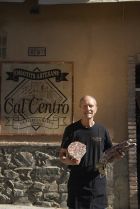
Cal Centro Fourth-generation master pork butcher Enric Sabaté is the man behind this 100-year-old store-cum-café selling charcuterie made with Priorat organic pork. Buy to take away or join the locals for breakfast or a quick lunch. They also have a shop in Falset. Lunch dishes from £8.50. C/ Nou 2, La Vilella Baixa, + 34 977 839378, calcentro.com
Celler Ametller Joan Ametller comes from a family of winemakers spanning eight generations. Back in the 2000s, he recovered 8,000 abandoned vines in the Porrera municipality. The project was then consolidated with the Mas Mustardó vineyard, in La Morera de Montsant. Taste wines overlooking the Sierra de Montsant. Tasting from £5. Finca Mas del Mustardo, s/n. Ctra de La Morera de Montsant a Cornudella de Montsant, km 3.2, +34 676 111718, familiaametller.com
Celler Clos Pachem The new kid on the block, Pachem is the acronym for Paul, Charles and Emma, the offspring of owner Michel Grupper. Founded in 2015, it’s a veritable monument to wine, from the sustainable architecture of the winery to the biodynamic and organic approach in the fields. Production is small and quality-focused. Four-wine tasting from £21. Carrer de la Font 1D, Gratallops, +34 621 690 521, clospachem.com
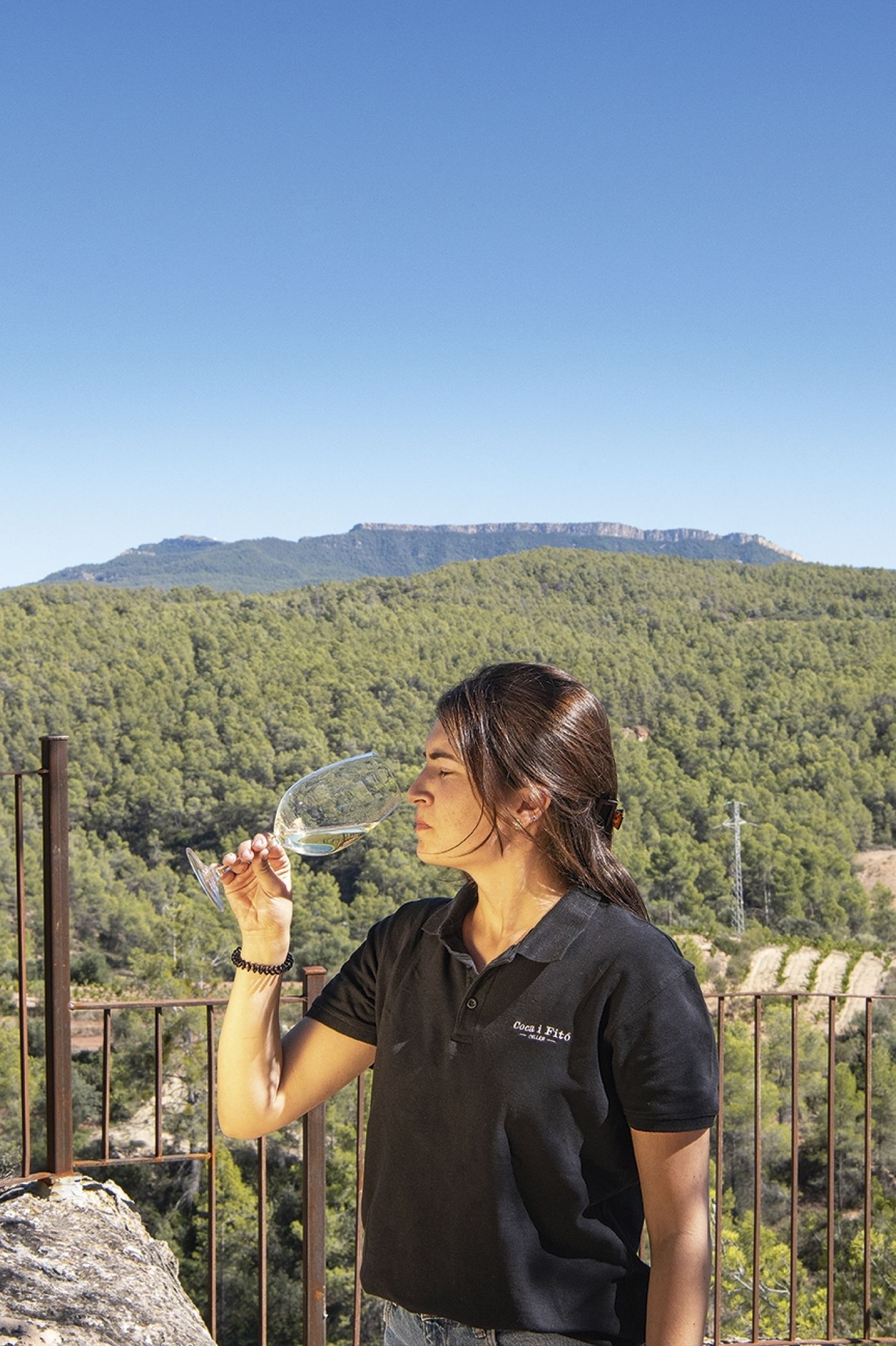
Celler Coca i Fitó Located in El Masroig, in the southernmost part of the DO Montsant, Coca i Fitó is a tale of brothers Toni and Miquel, who began in 2006 with one label, Coca i Fitó Negre. Today, the estate counts nearly 30 hectares of vineyards producing 17 labels, plus vermouth, but the attention to sustainability and water management remains strong. Don’t miss Rosa, sourced from 20-year-old Syrah vines, which won an award as the best rosé of Catalonia. Visit with five-wine tasting £21pp. Avinguda Onze de Setembre S N, El Masroig, +34 93 451 7152, cocaifito.cat
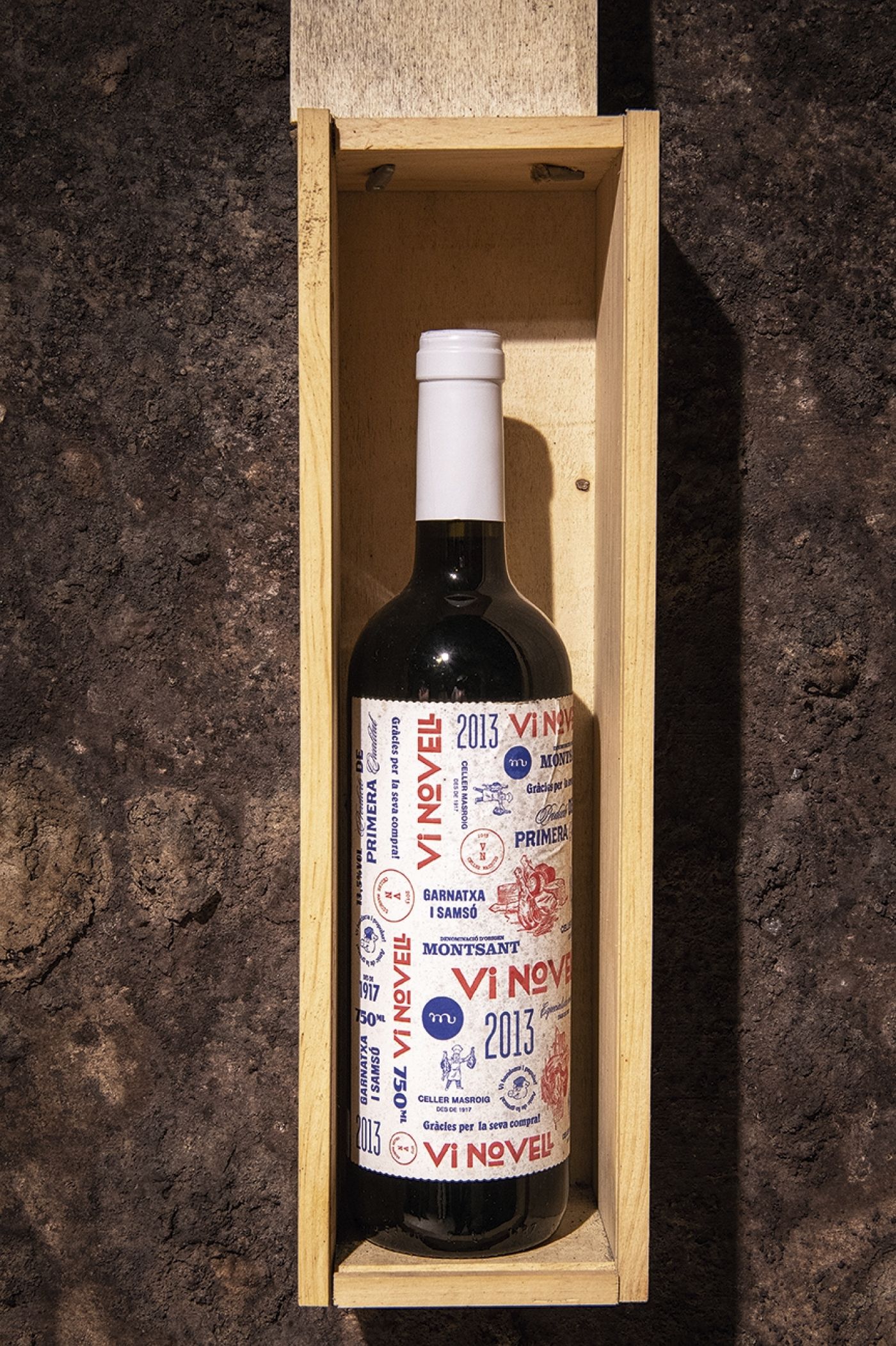
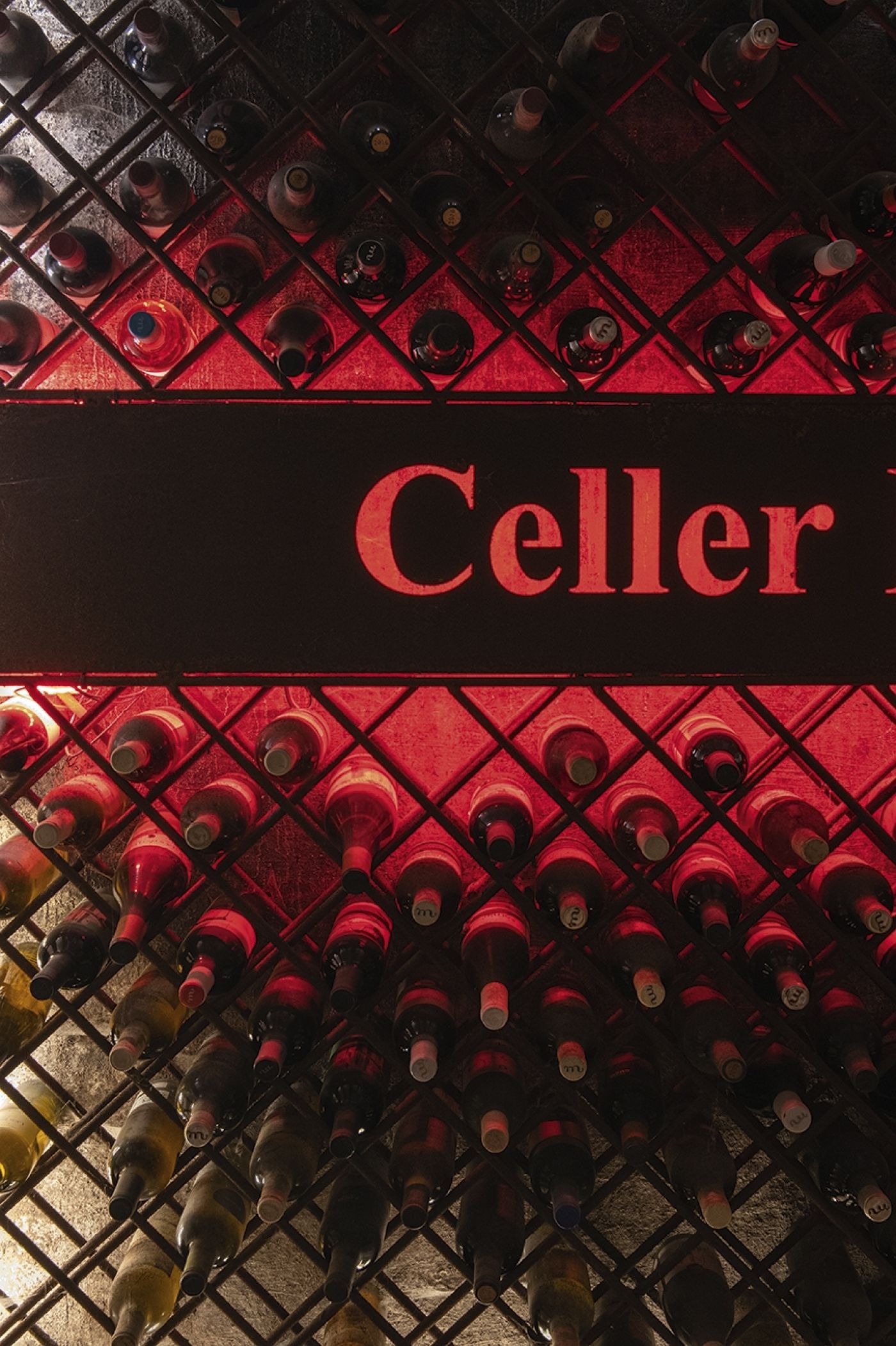
Celler Masroig Priorat’s oldest and largest cooperative, founded in 1917 by a small group of farmers, is now one of the most celebrated wineries of the DO Montsant, also showcasing photographs and art installations. Be sure to try the award-winning carinyena, Solà Fred. Tasting from £7. Passeig de l’arbre 3, El Masroig, +34 977 825026, cellermasroig.com
Celler Pasanau Regenerative agriculture and sustainable practices are at the core of this family winery in La Morera de Montsant. Visitor options include a two-hour ‘walk and wine’ through the estate. Tasting from £8.50. C/ La Bassa, La Morera de Montsant, +34 977 827202, cellerpasanau.com
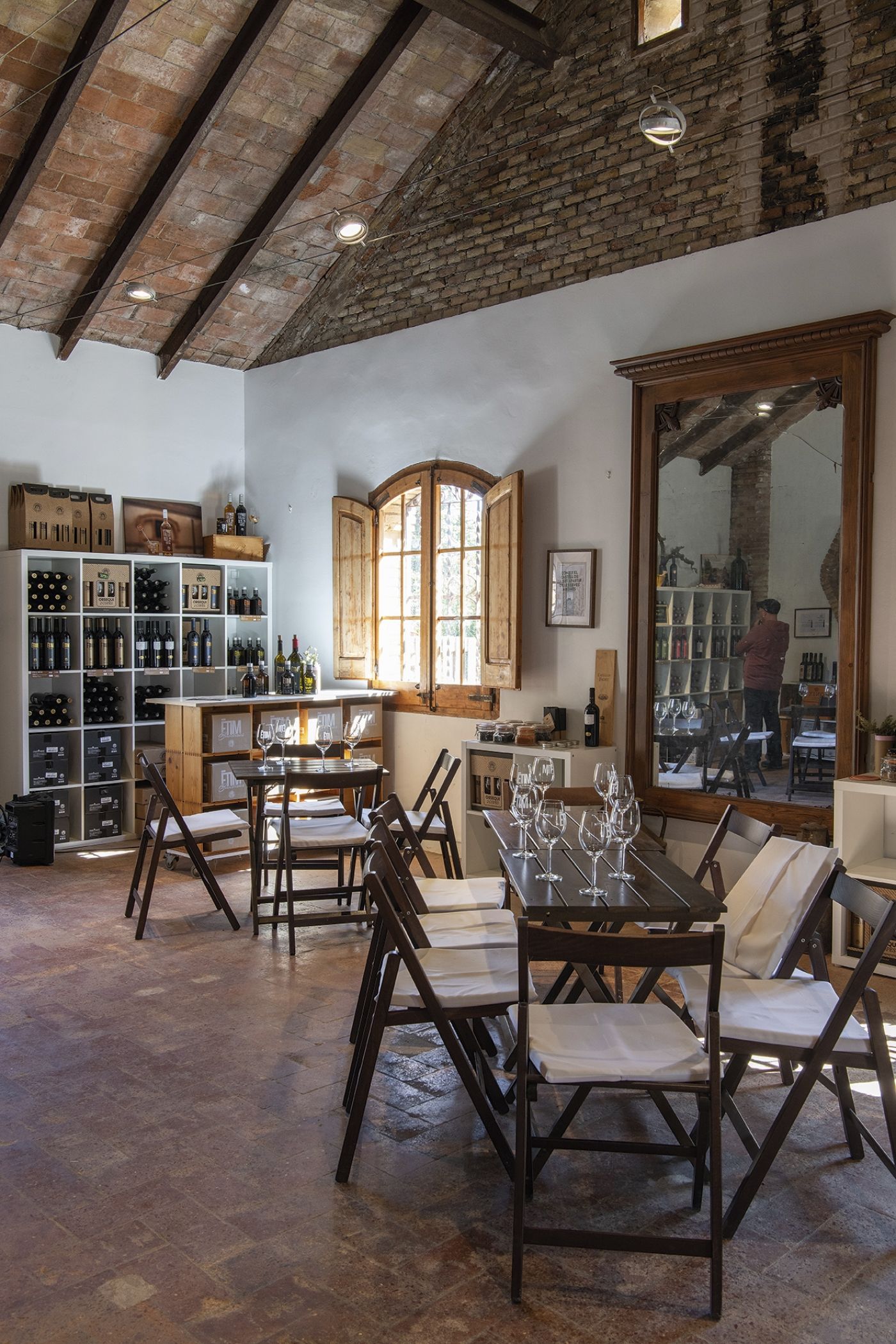
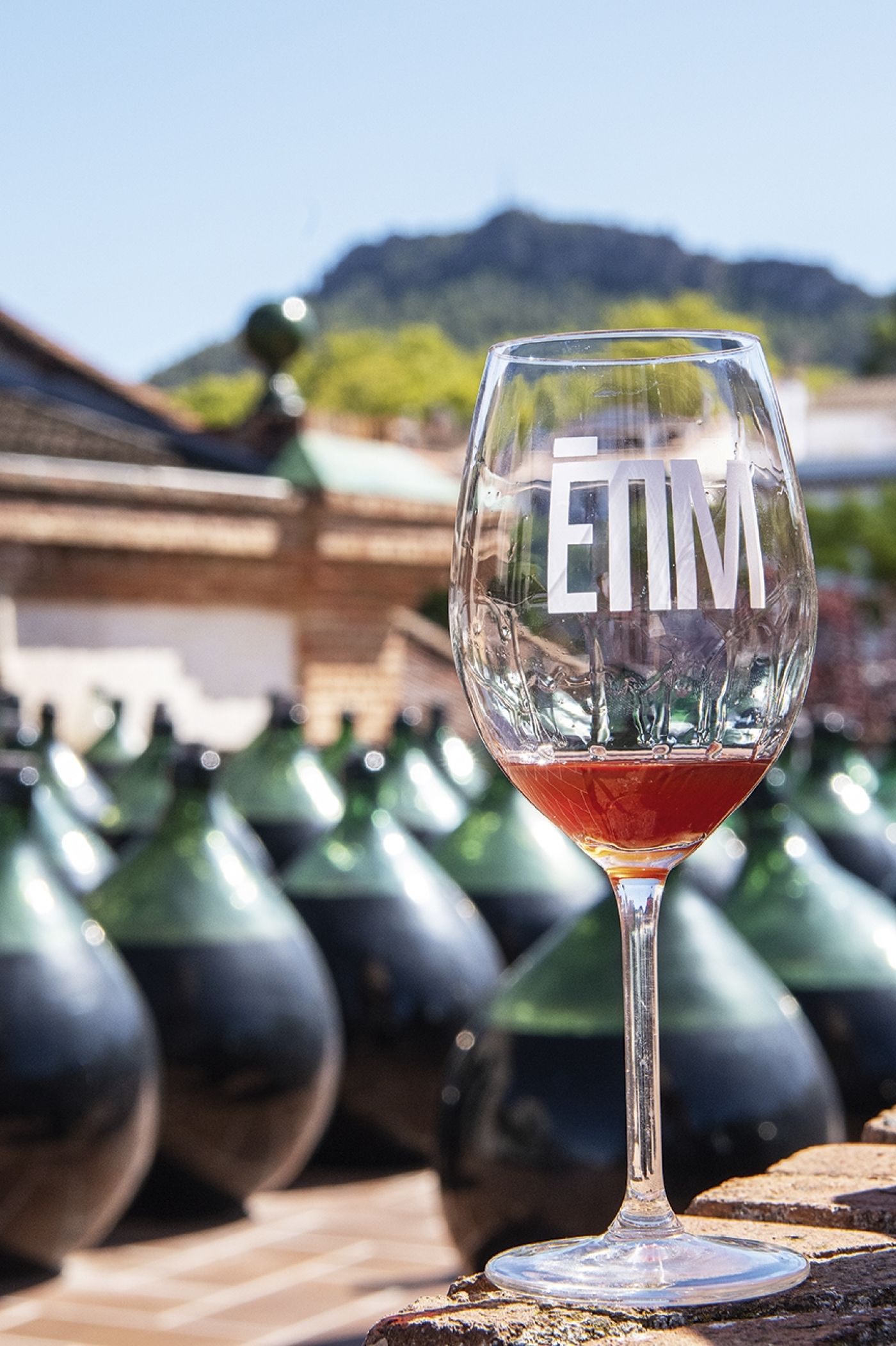
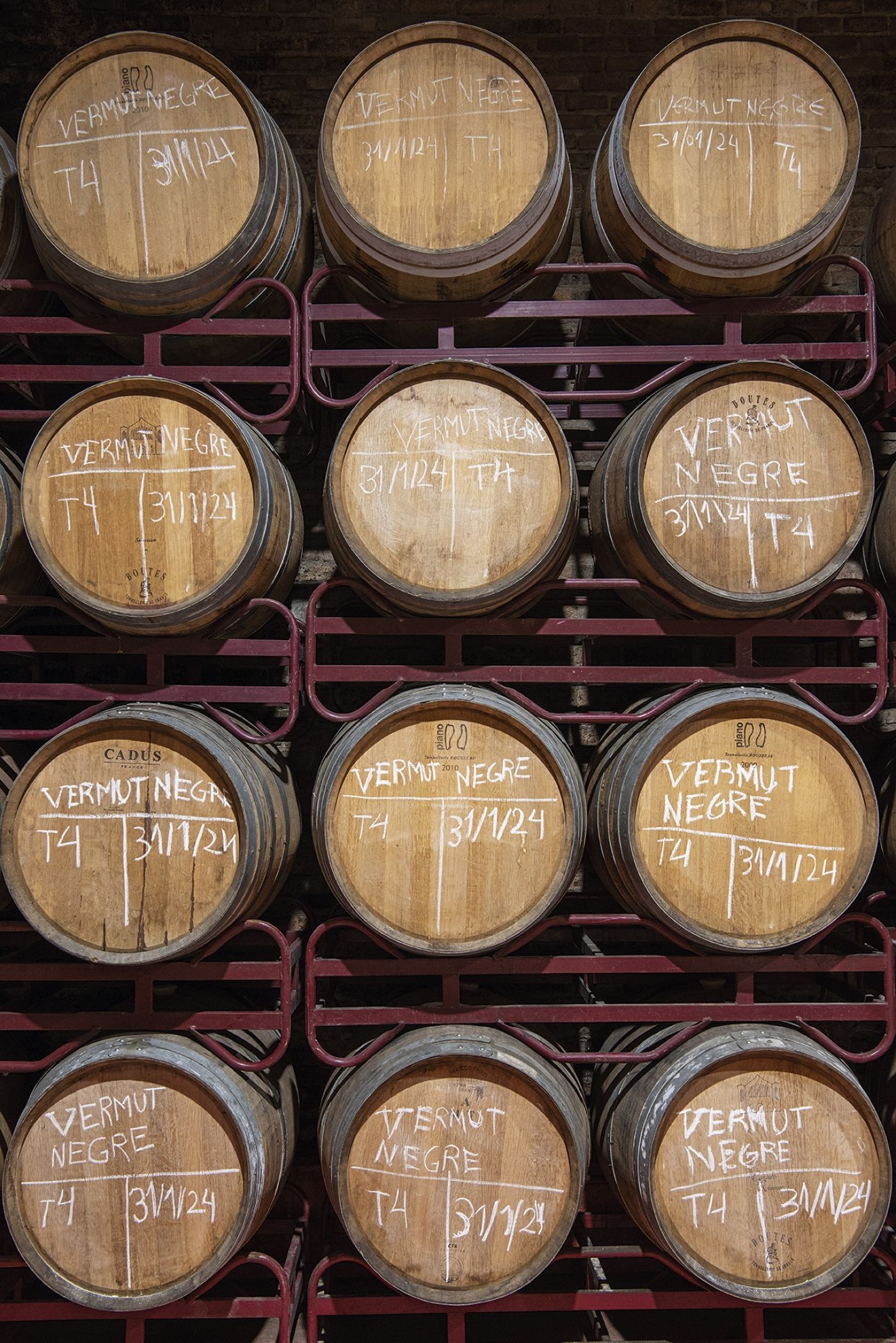
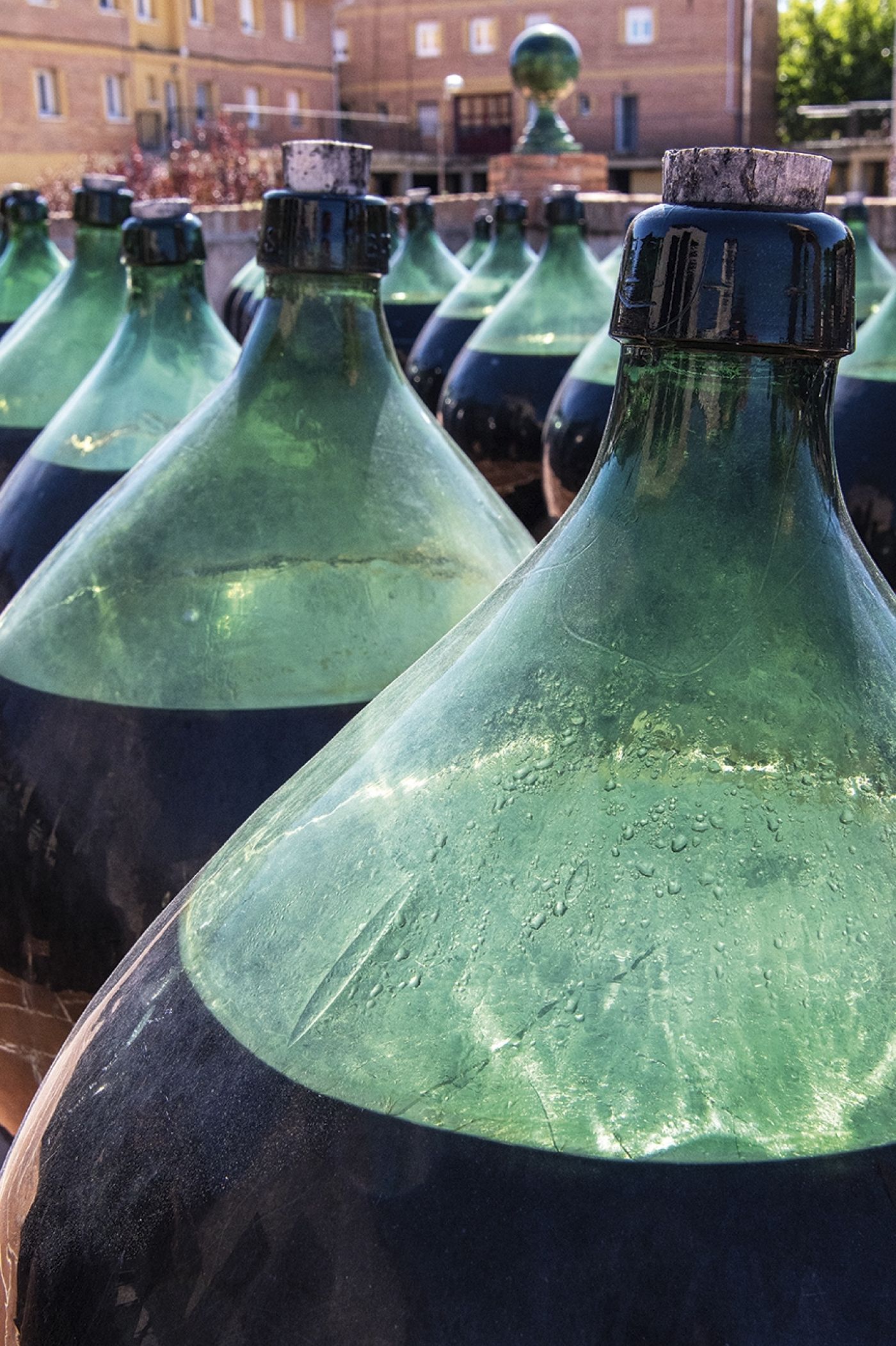
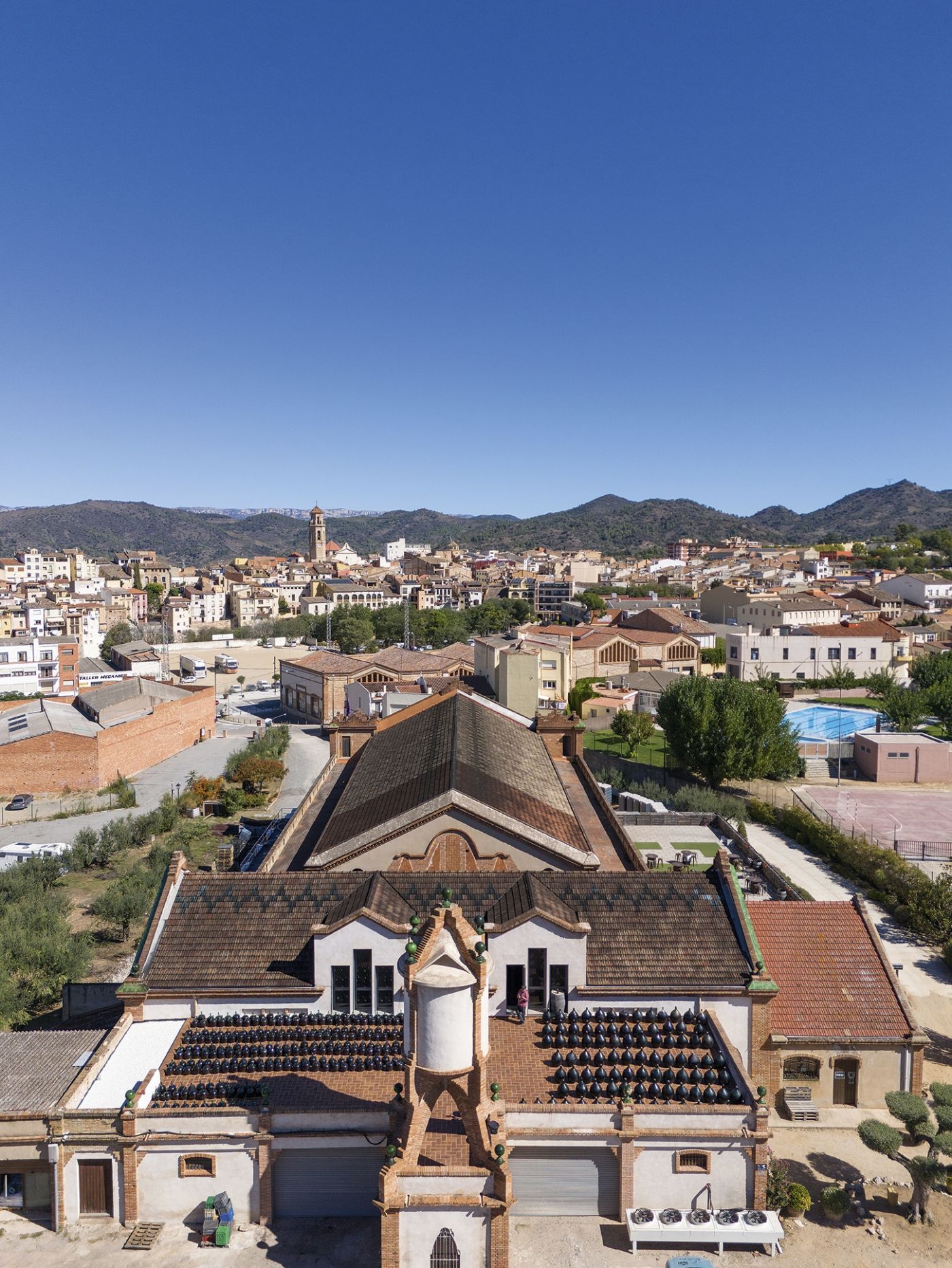
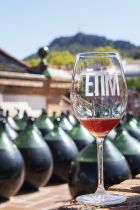
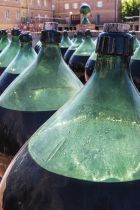
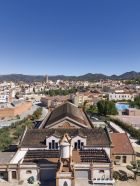
Cooperativa Falset Marçà The modernist architecture – by Antoni Gaudí disciple Cèsar Martinell – of this cooperative is a sight in itself. Vermouth blanco is made in huge wood tanks at the entrance using 120 local herbs, and vi ranci is left to oxidise in rooftop demijohns for a year. Tasting from £8.50pp. C/ Miquel Barceló 31, 43730 Falset, +34 977 830105, etim.cat
Devinssi ‘About wines, yes!’ is the name and the motto of this boutique winery, which offers fully customisable tours of their vineyards for stunningviews of the Priorat landscape. Tasting from £17pp (minimum two people). Book ahead. C/ dels Masets 1, Gratallops, +34 977 839523, devinssi.com
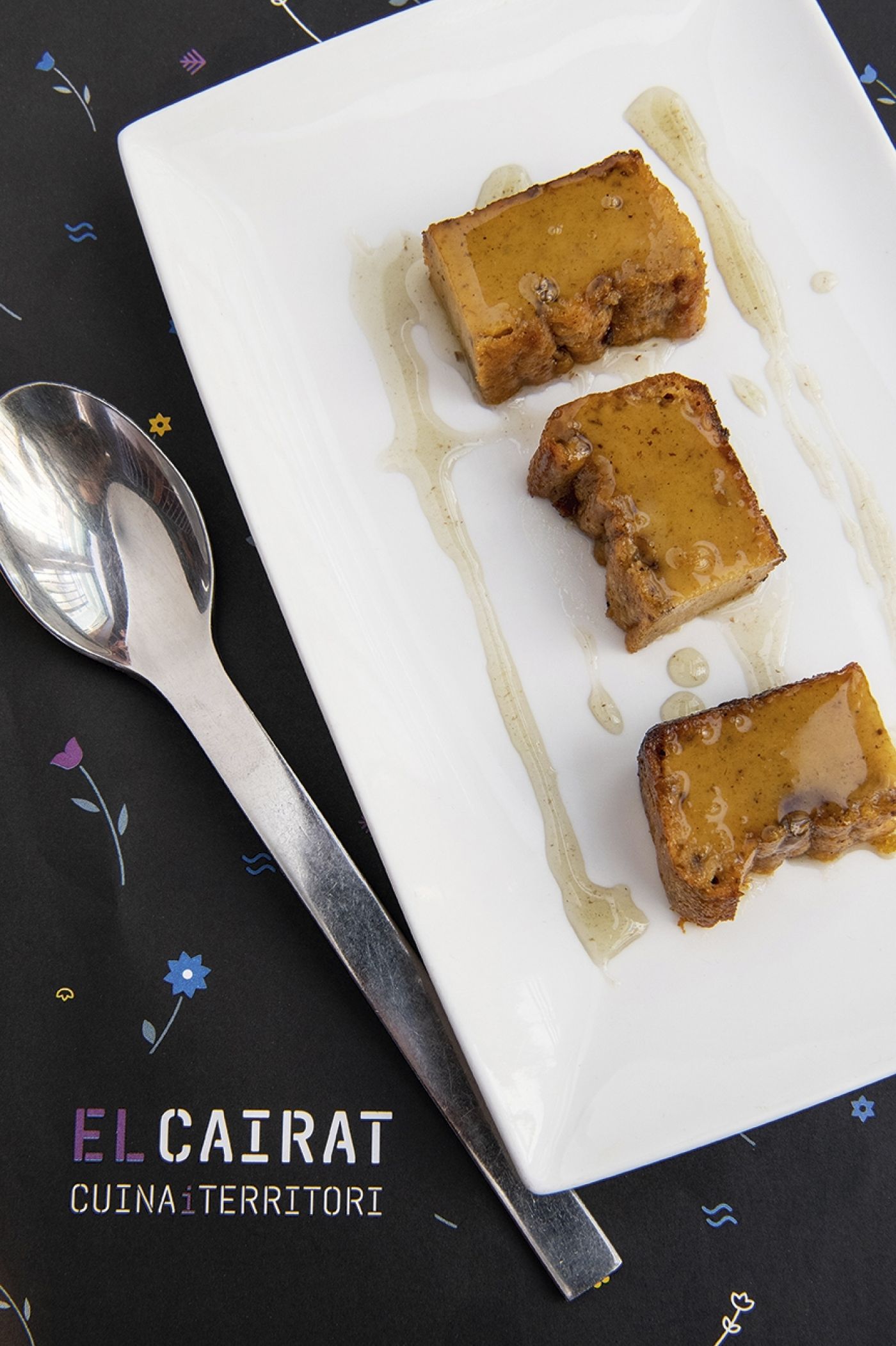
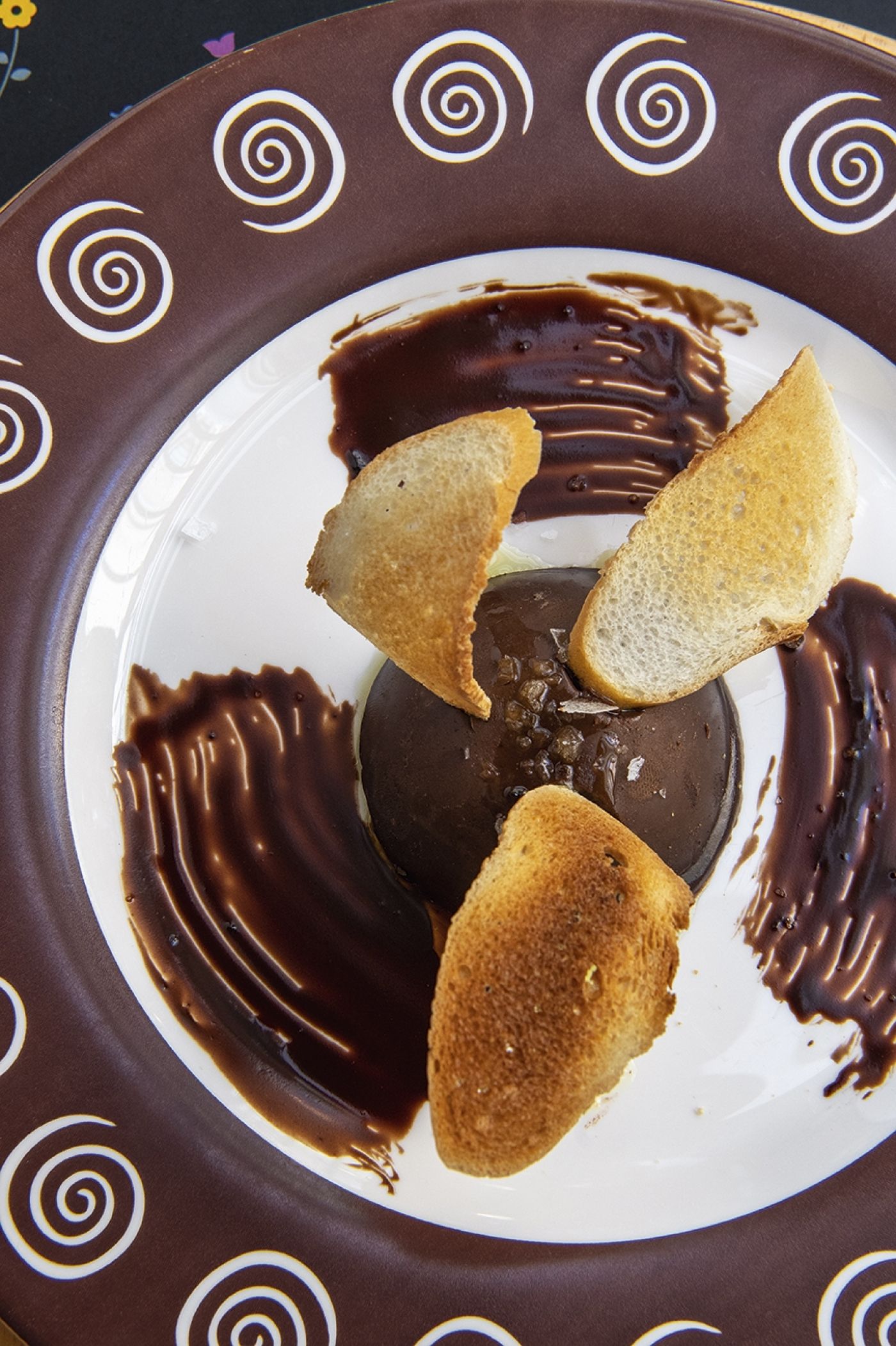
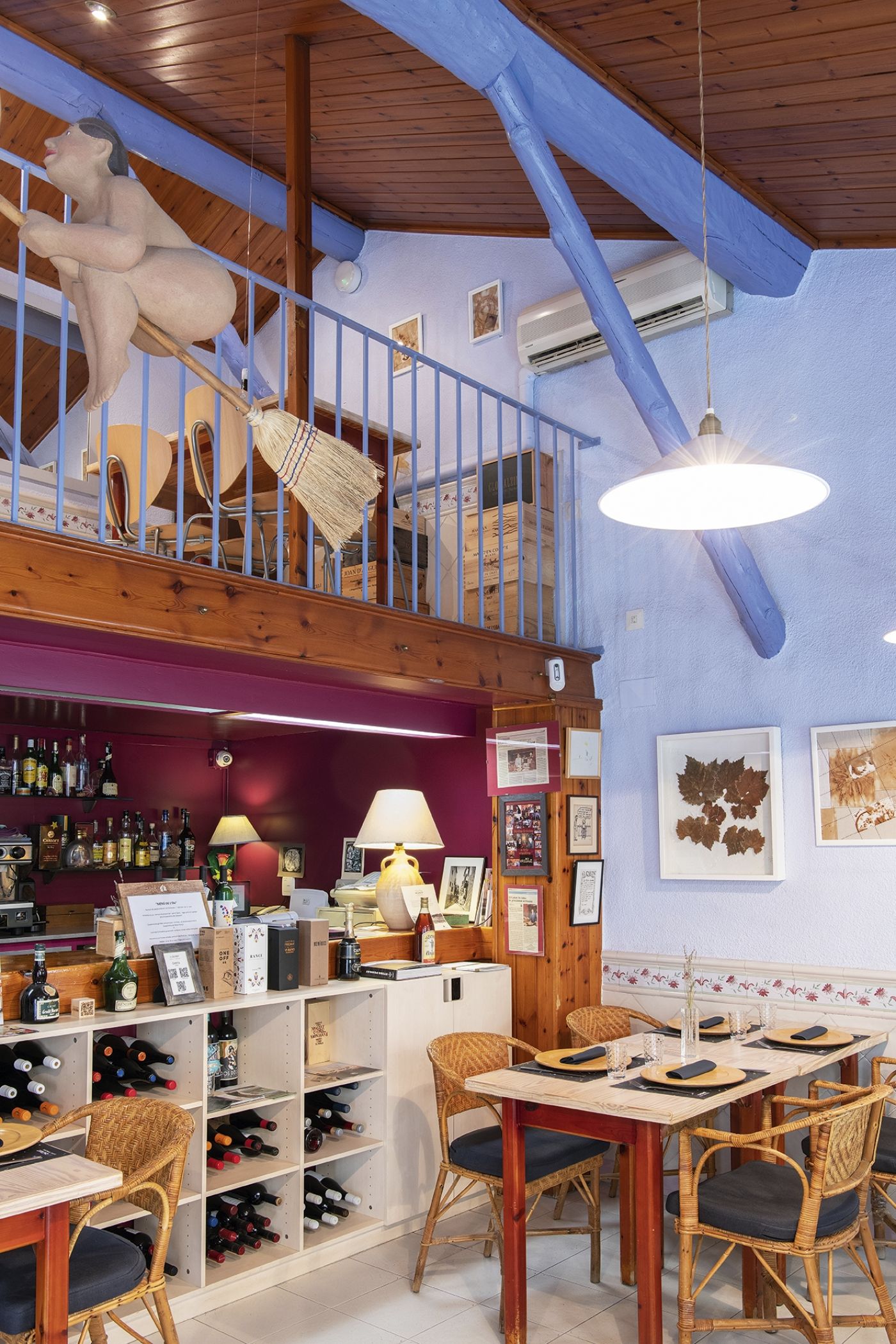
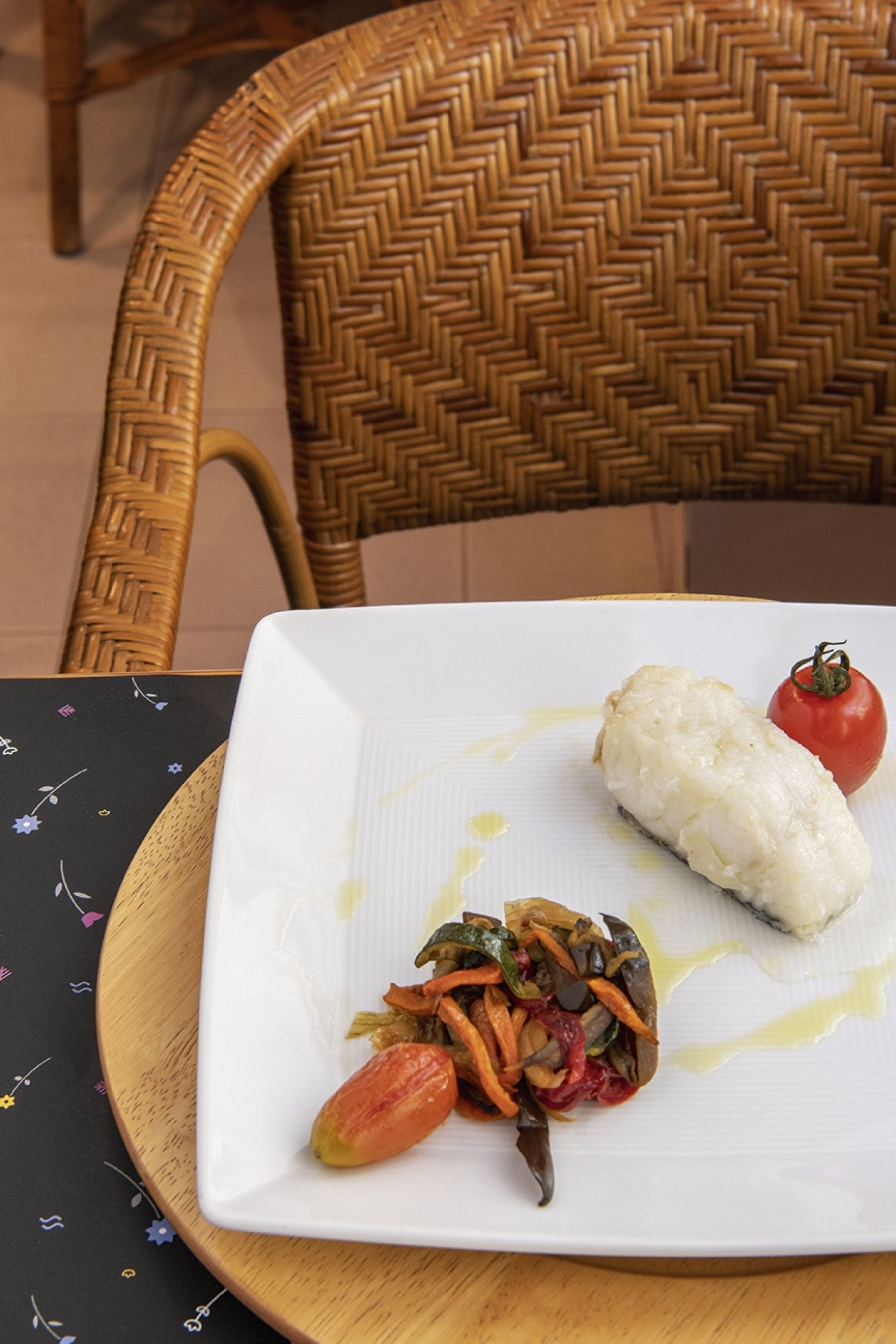
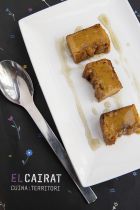
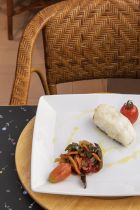
El Cairat Everything is prepared in house, from bread and cake to ice cream . Start with potato fritters with anchovy all i oli and glass of local vermouth,continue with Cornudella rabbit stew and finish with the Sephardic-style nut cake that pays tribute to the cuisine of Falset’s Jewish quarter. Three courses from £27. C/ Nou 3, Falset, +34 977 830 481, restaurantelcairat.com
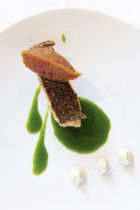
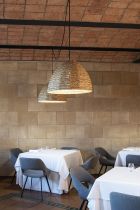
Els Tallers Michelin-starred chef Rafael Muria is behind this fine-dining address in spectacular Siurana, with Sabadell-born chef Paulo Escriu at the stove for the past 14 years, creating beautiful, inventive, locally sourced plates. Tasting menus plus à la carte. Three courses from £38. Carrer dels Rentadors 2, Siurana,+ 34 977 821144, siuranella.cat/restaurant
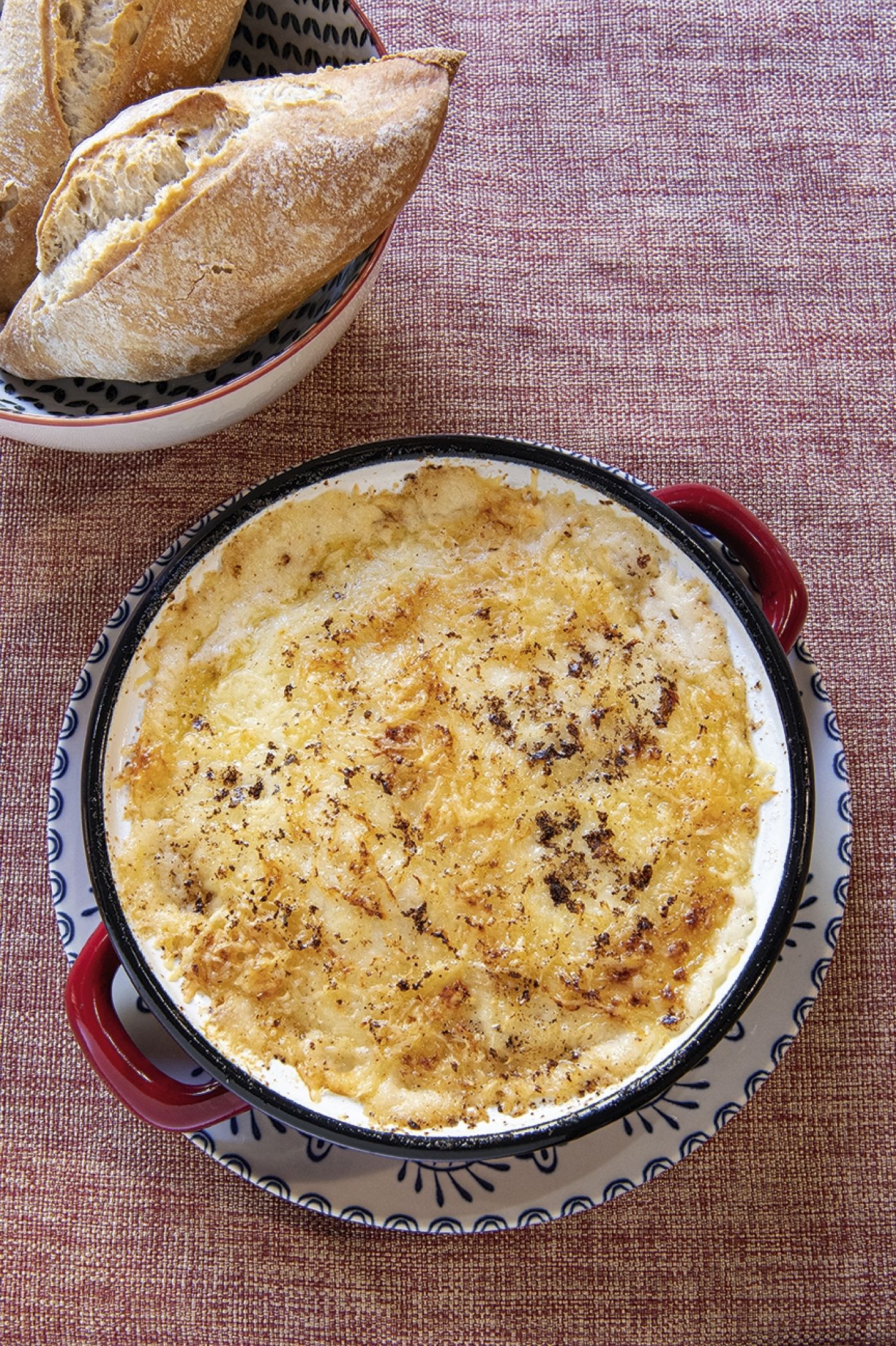
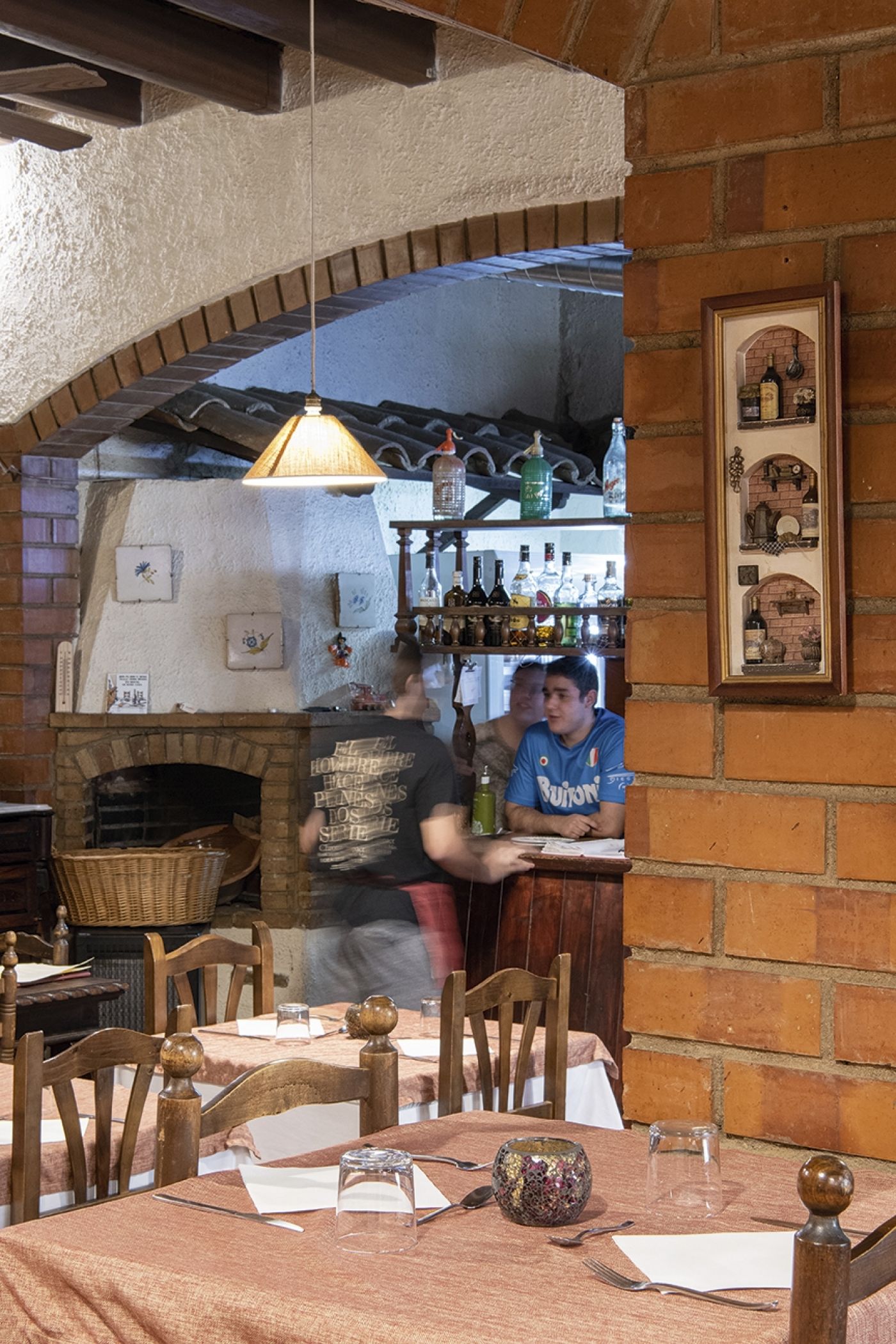
Hostal Sport It doesn’t get any more authentic than this: Catalan staples such as botifarra sausages and grilled vegetables are served alongside canelons (cannelloni) coated in cheese. Three-course Catalan menu £21. Carrer de Miquel Barceló 6, Falset, +34 977 830078, restaurantpriorat.com
Molí Miró Cubells Small olive oil business offering visits to their groves plus a traditional lunch menu. Visit their shop in Escaladei with its period olive mill and fill your suitcase with local products. Visit with tasting from £12.60. Carrer Sant Miquel, 53 TER, Cabacés, +34 639 449 797, molideloli.com
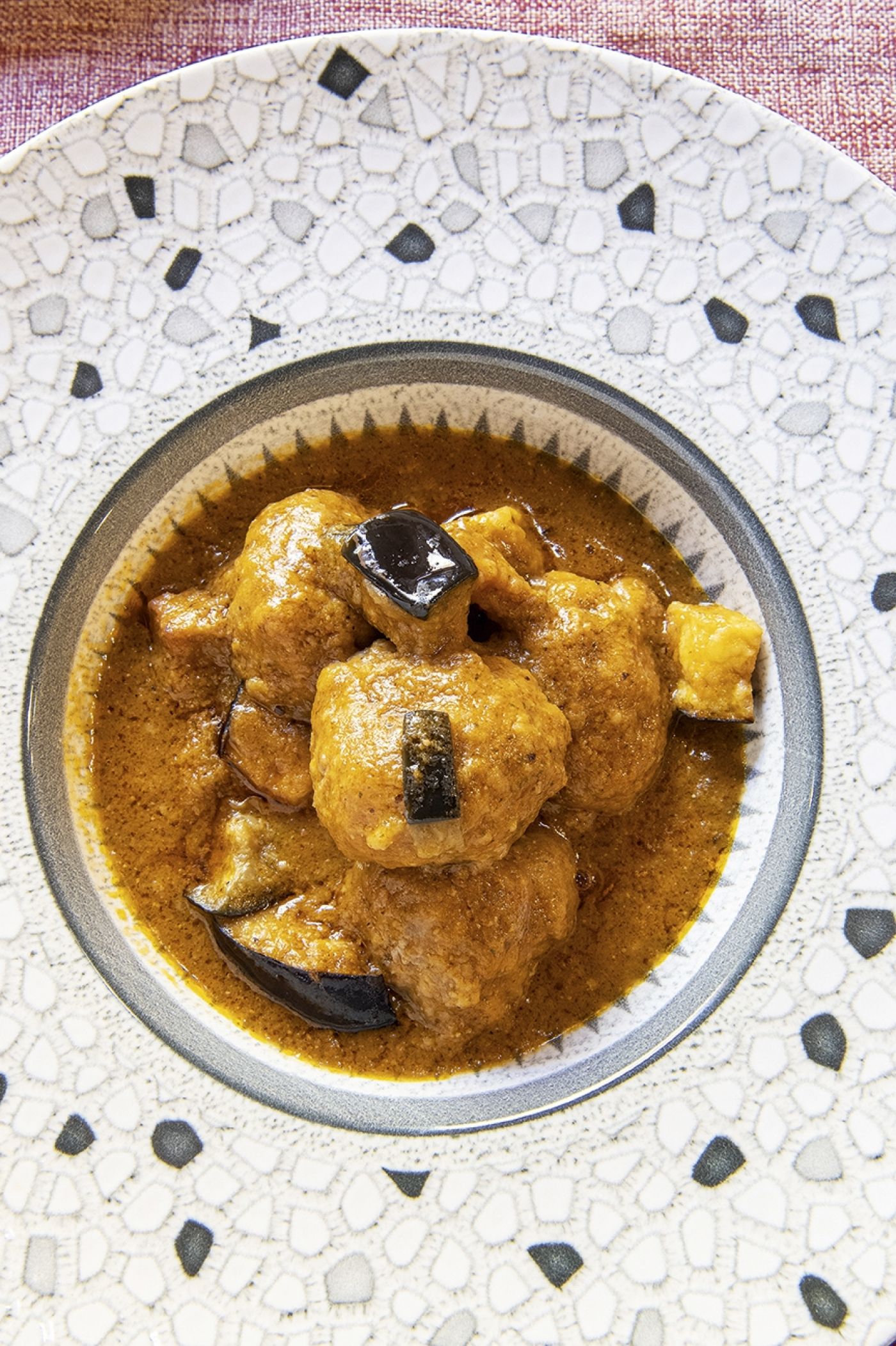
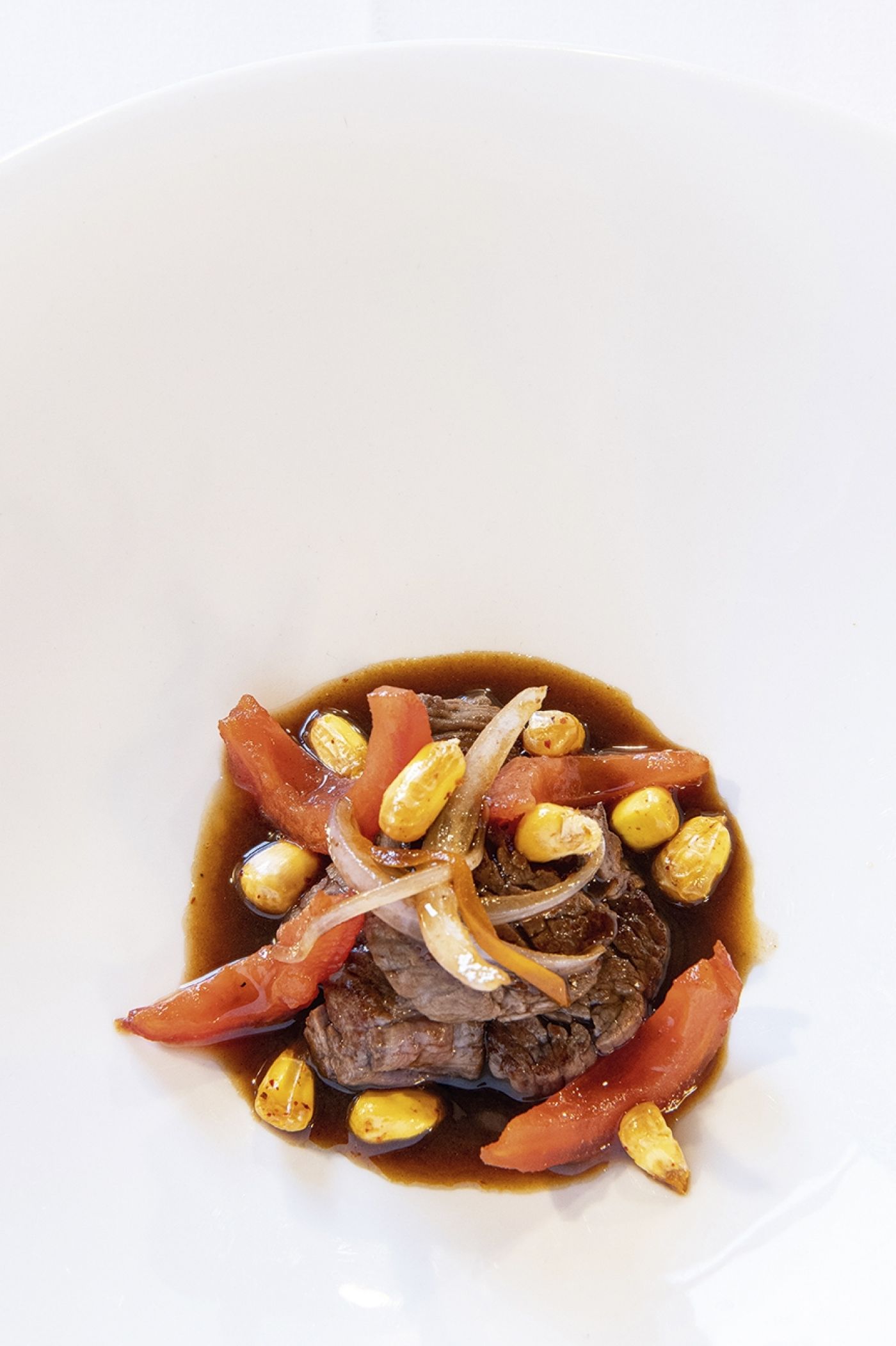
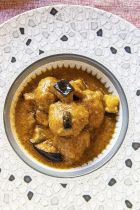
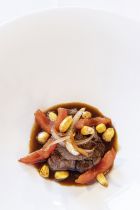
Restaurant La Morera Enjoy the family’s own recipes, like veal cheeks braised in a dense gravy made with Priorat wine and served with potatoes, apples and asparagus. Three-course menu £30, including glass of wine. Carrer de la Bassa 10, La Morera De Montsant, +34 34 667 442904
Food Glossary
- Arbequina
- A cultivar of small, round olives with a firm texture and fruity flavour. The predominant variety in the region, accounting for 95 per cent of the overall production
- Botifarra blanca
- A coarse pork sausage consisting of seasoned and spiced pork meat
- Botifarra negra
- Catalan blood sausage
- Cap i Pota
- Similar to galantine and made with different parts of the pork’s head mixed with the trotters
- Carinyena
- Carignan, one of the main red grape varieties of the Priorat region
- Escalivada
- A traditional Catalan vegetable dish consisting of grilled aubergines, red bell pepper and sometimes onions and tomatoes, typically grilled whole over hot embers
- Garnatxa
- Grenache, one of Priorat’s main red grapes. There is also a variety of white garnatxa, related to the red one
- Llonganissa
- Pork sausage, which can be crua (raw) or seca (cured with black pepper)
- Pa amb tomàquet
- Bread freshly rubbed with tomato, olive oil and salt – a Catalan classic
- Pica-pica
- A Catalan expression meaning ‘nibbling’ or ‘eating small bites of different food’
- Tomacó
- A variety of tomato that has a long shelf life and is considered the best tomato for spreading on bread to make the classic pa amb tomàquet. It is also very good for making sauces and stews
- Vi ranci
- A distinctive kind of wine obtained by deliberately exposing it to oxygen and/or heat






Get Premium access to all the latest content online
Subscribe and view full print editions online... Subscribe