
There’s something grandfatherly about Jens Bjerregaard Christensen. Kind eyes twinkle and crease behind circular glasses, and his tangerine-coloured jumper looks soft and lived-in, his wax jacket charmingly weathered. Driving through the dappled glades of Gribskov, his old car rattles like marbles in a jar. Not, perhaps, what you might expect from someone with the illustrious title of Denmark’s Master of the Royal Hunt and who was, until recently retiring, the country’s forest director. In official photos, Jens stands beside freshly-crowned King Frederik X in full regalia: peaked cap, epaulette-laden jacket and fiercely ironed trousers tucked into smart black boots.
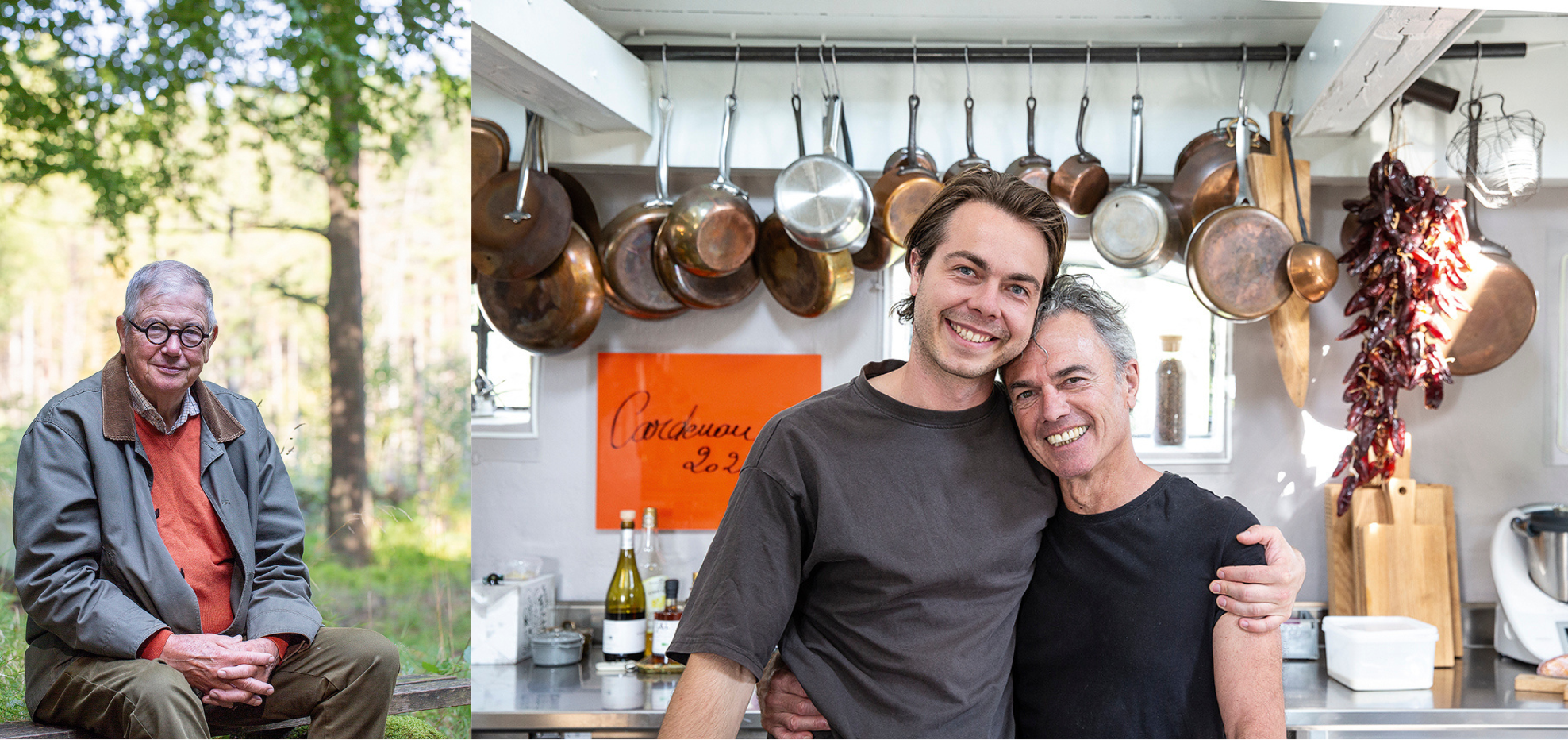
Today, the 71-year-old hunt coordinator cuts a more folksy figure, ambling through Gribskov, a 5,600ha forest in Denmark’s Nordsjælland (North Zealand) region. At its closest, Nordsjælland is less than 10km from the outskirts of Copenhagen; in these quiet woods, the capital feels as if it might be a figment of the imagination.
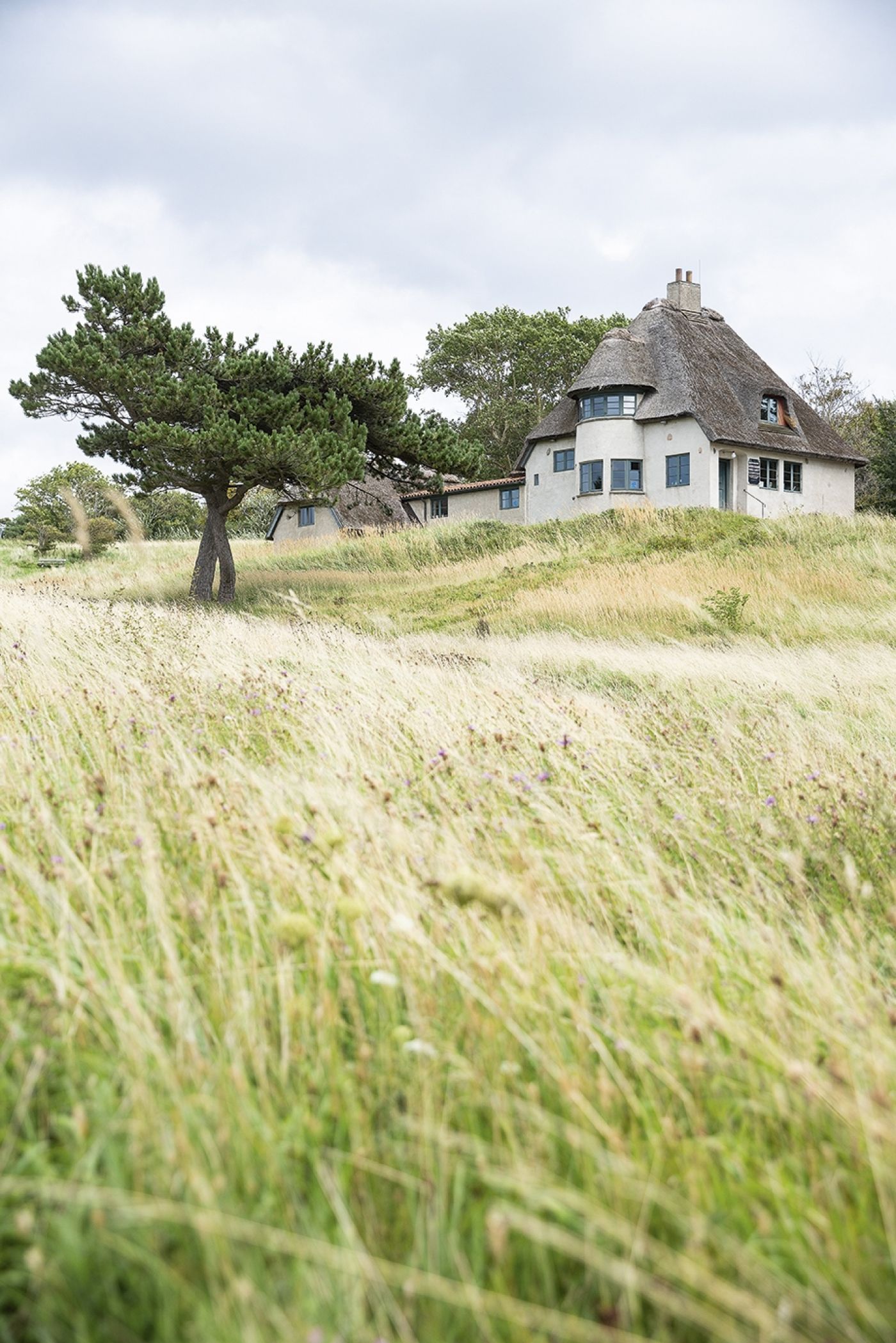
Historically, this beautiful landscape holds huge importance. As well as inspiring Denmark’s greatest philosopher, Søren Kierkegaard, who would ponder under its peridot-green leaves, Gribskov is a centuries-old royal hunting ground. It earned Unesco accreditation for its 17th-century par force (hound hunting) landscape: precise, asterisk-patterned pathways that split the forest in myriad directions, allowing the king and his retinue to better spot their quarry.
Standing at the centre of a starred path, Jens gestures at the six trail blasts around him. ‘This system was put in place to show the monarchy ruled the landscape as well as the people – all public lands belonged to the king,’ says Jens. Today, Gribskov is a state forest with trails for cyclists, walkers and foragers. Soon, 1,300 hectares of it will be fenced off for biodynamic preservation, given over to deer, cows and re-introduced moose. It’s a controversial project that Jens is passionate about, showing no unease about what could be seen as conflicting roles as hunter and modern forest manager. He still organises annual royal hunts here to cull the deer, although horse and hound have been swapped for hide and rifle: a quick death that, as well as being humane, has the advantage of keeping the meat tender.
‘The hunt wasn’t originally for food,’ he explains. ‘The meat was stressed, which made it inedible. Now what we shoot in thisforest, we are able to sell. Hunting can only continue in a modern society if the meat is used.’
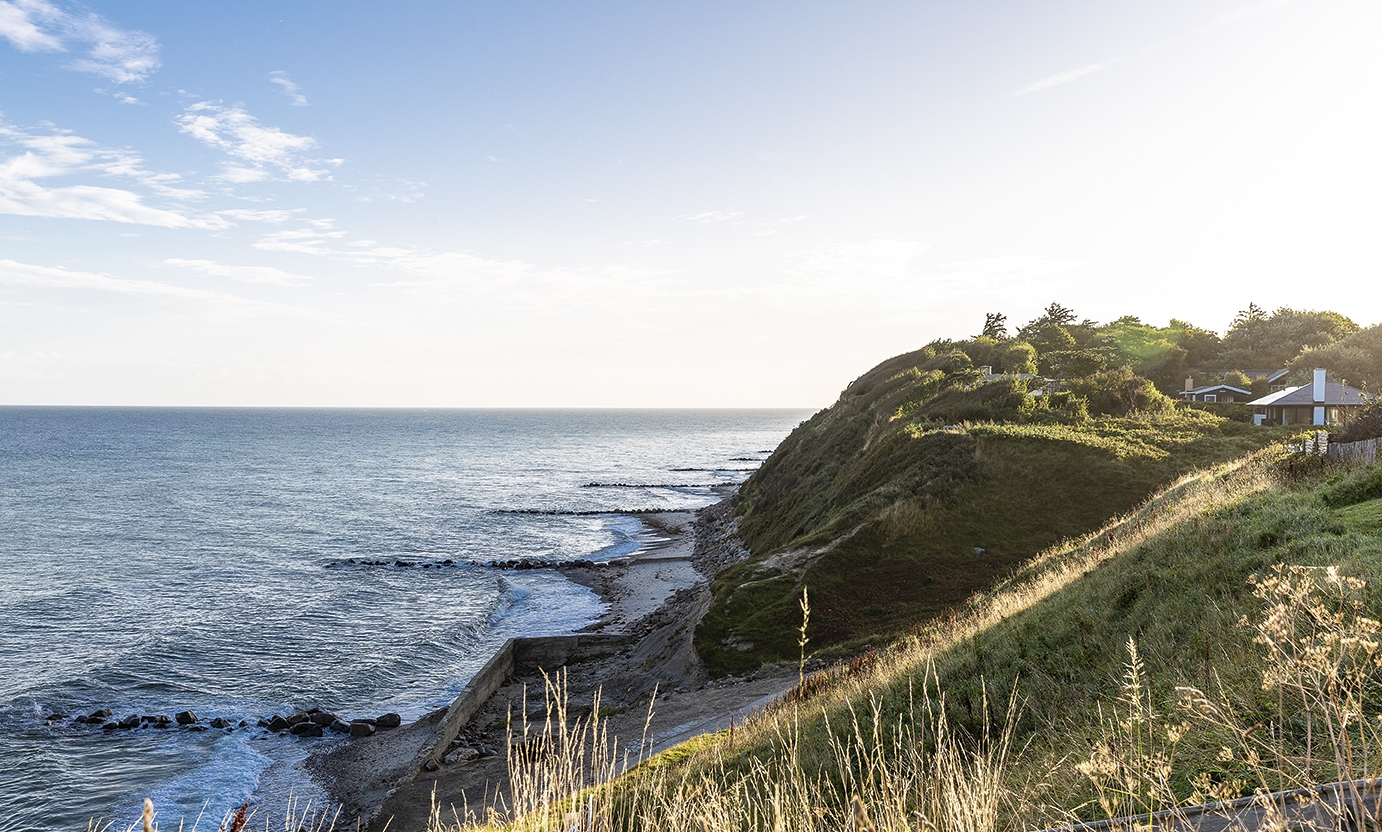
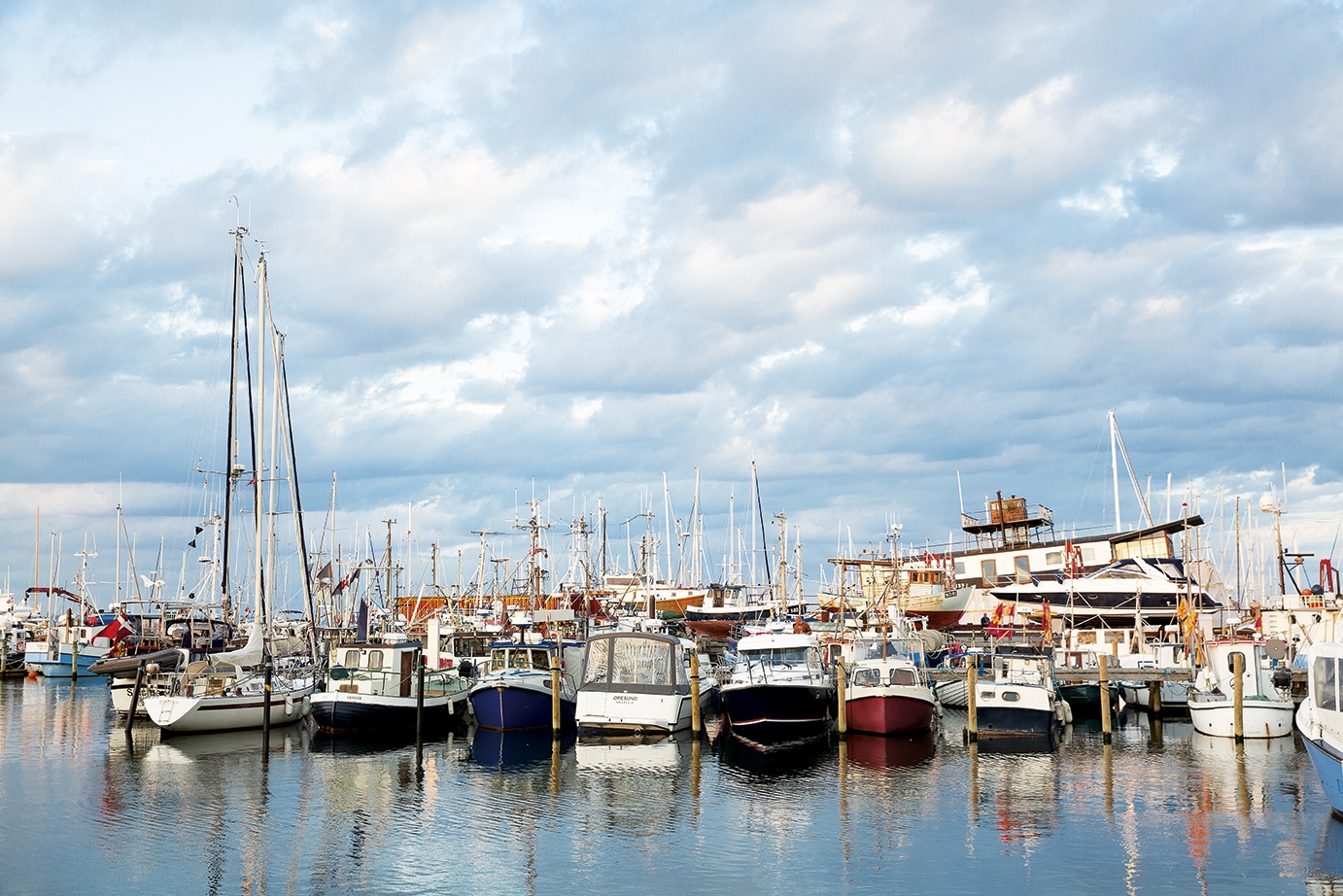
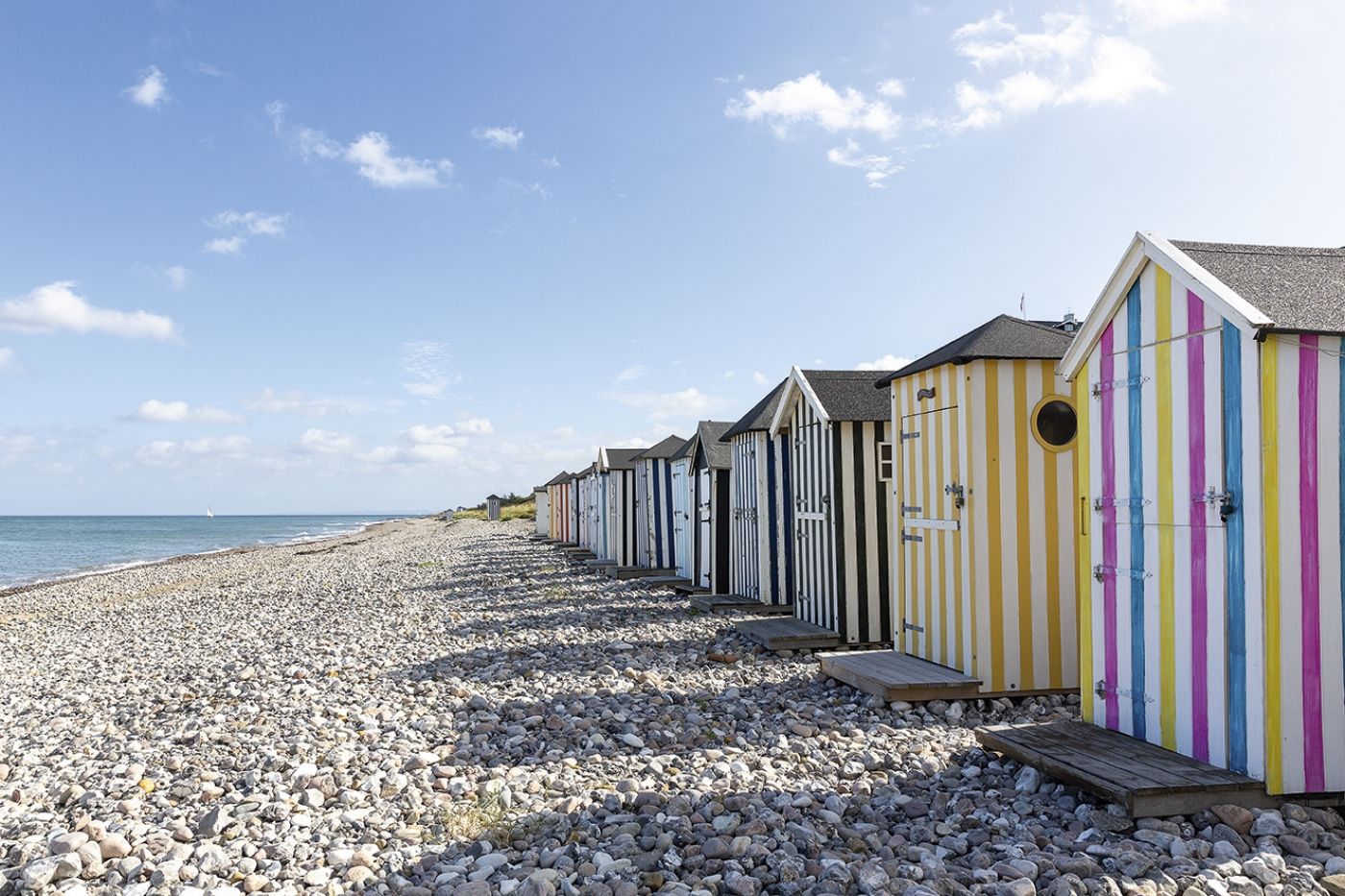
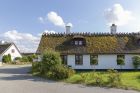
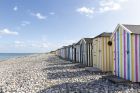
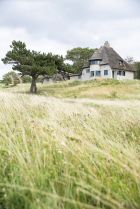
Modernity isn’t the first thing that springs to mind surveying Nordsjælland’s old-world, agricultural landscape. But behind postcard-pretty coastal towns peppered with sherbet-striped bathing huts, soft rolling dunes and fishing boats, a shift is happening. For centuries, its farms and forests have supplied the most important tables in Denmark, earning it the title of Copenhagen’s Larder. In the past, that meant the king’s banquet table. Today, it’s some of the world’s best restaurants.
‘The nobles used to eat really well up here,’ says Louise Køster, director at Rabarbergaarden farm and restaurant, 13km north of the forest. ‘We have the ocean, the forest, the farmland, the lakes and we’re very close to the capital too. But for many years, this has just been an area used by big farming corporations, which grow food for animals. By saying, “We’re making food for people,” we’re bringing history back.’
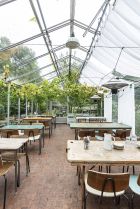
Louise and her chef husband Thomas are dedicated to selfsustainability; their fresh, seasonal menu sources as much as possible from their own crops, with contributions from folk within the community. ‘Sometimes Jens calls and says, “We just shot three deer,”’ says Thomas. ‘We can put them on the menu straightaway.’
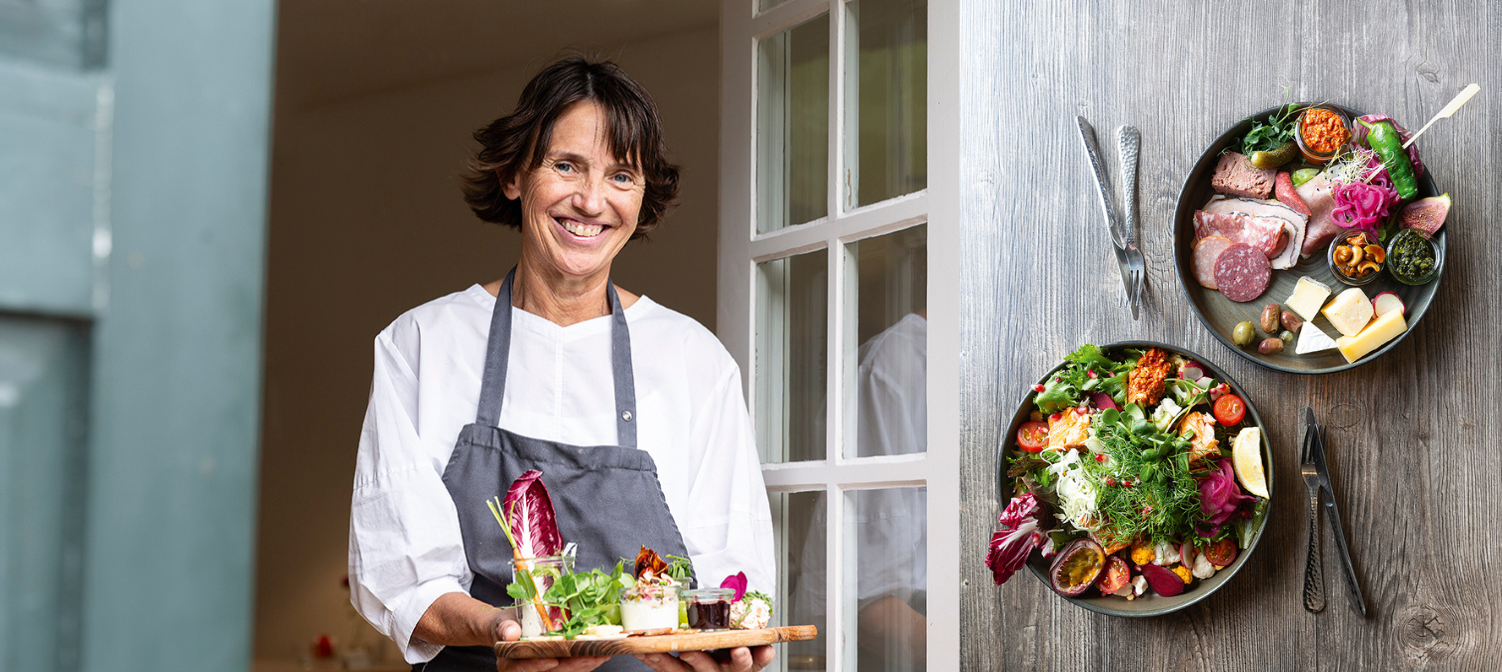
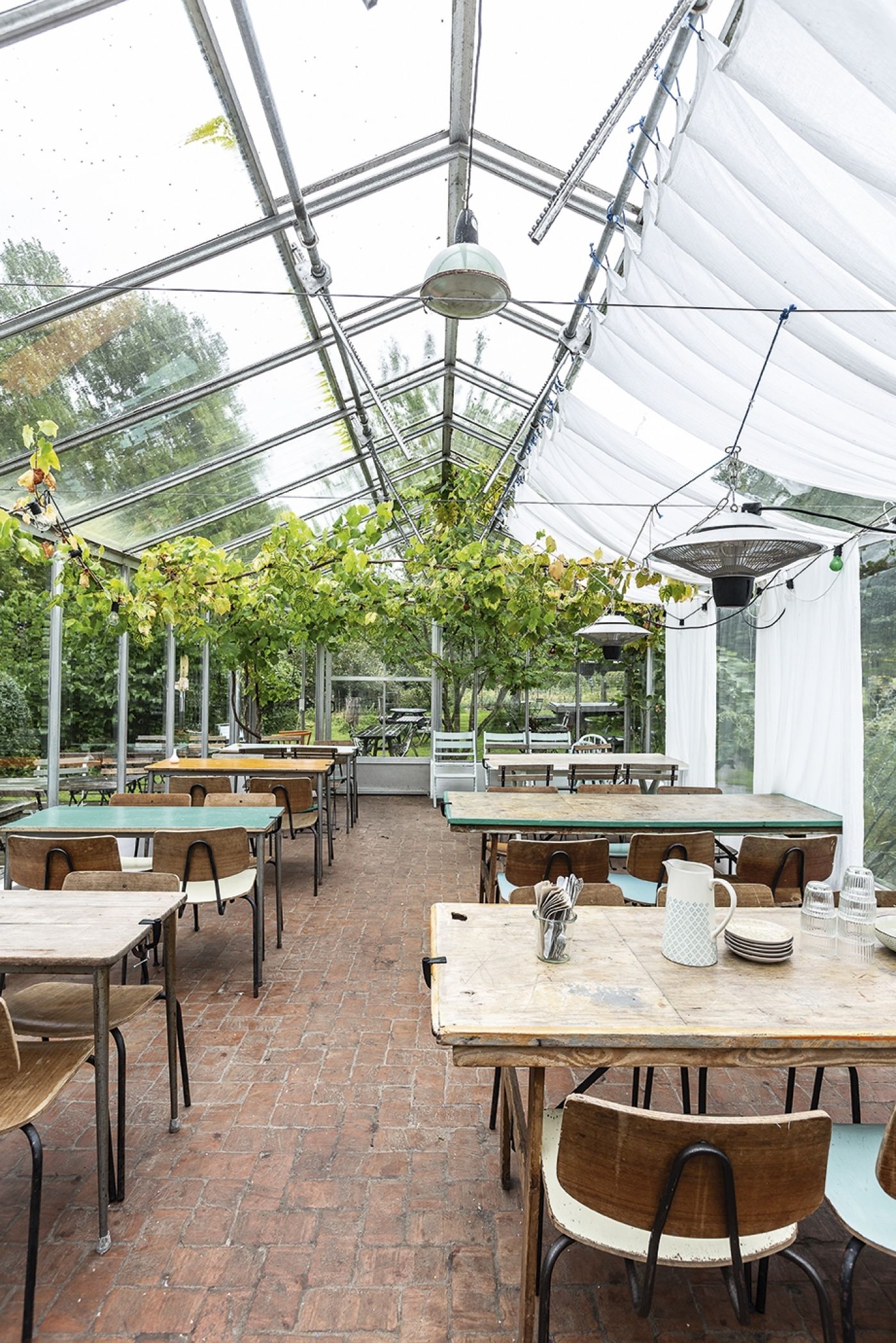
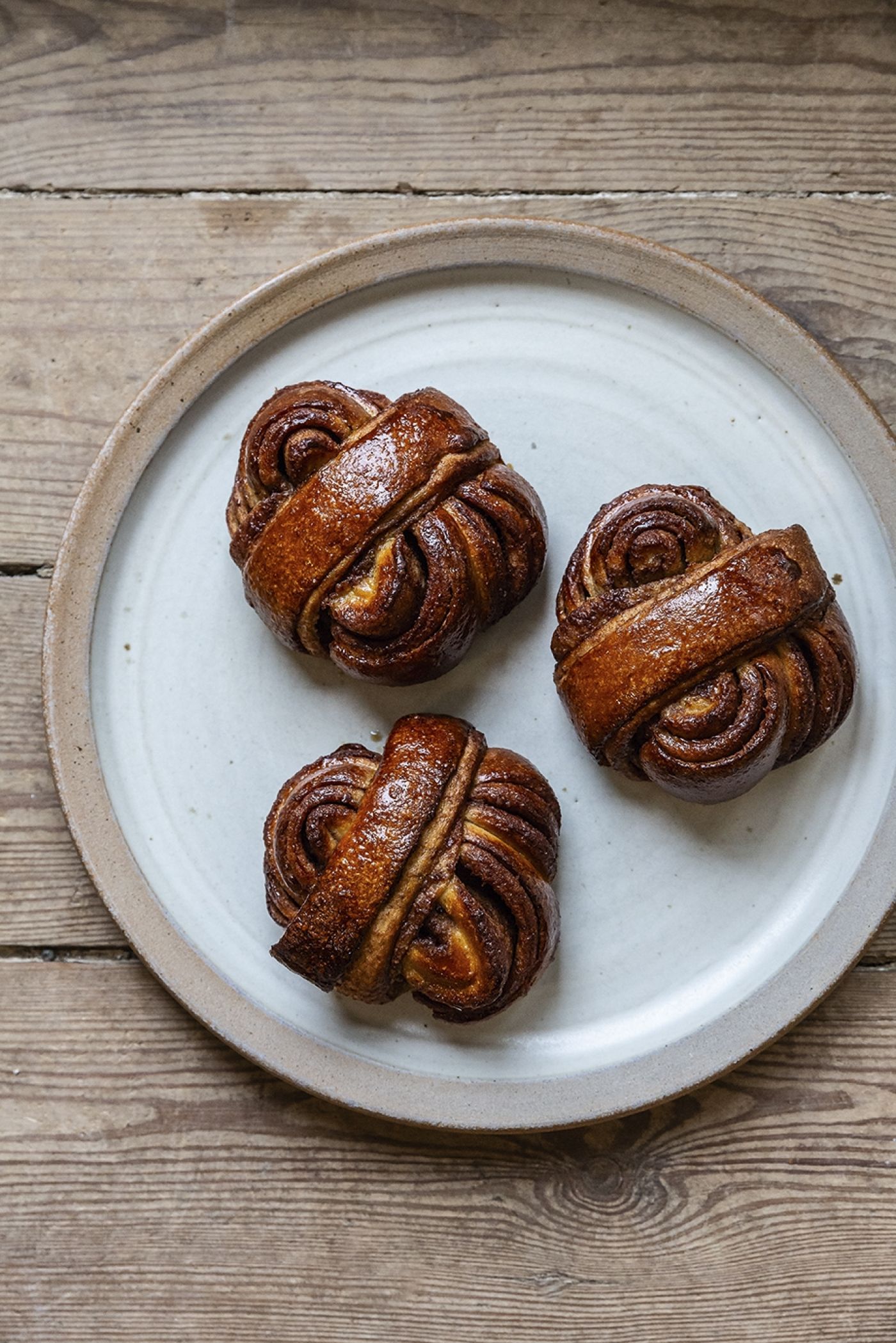
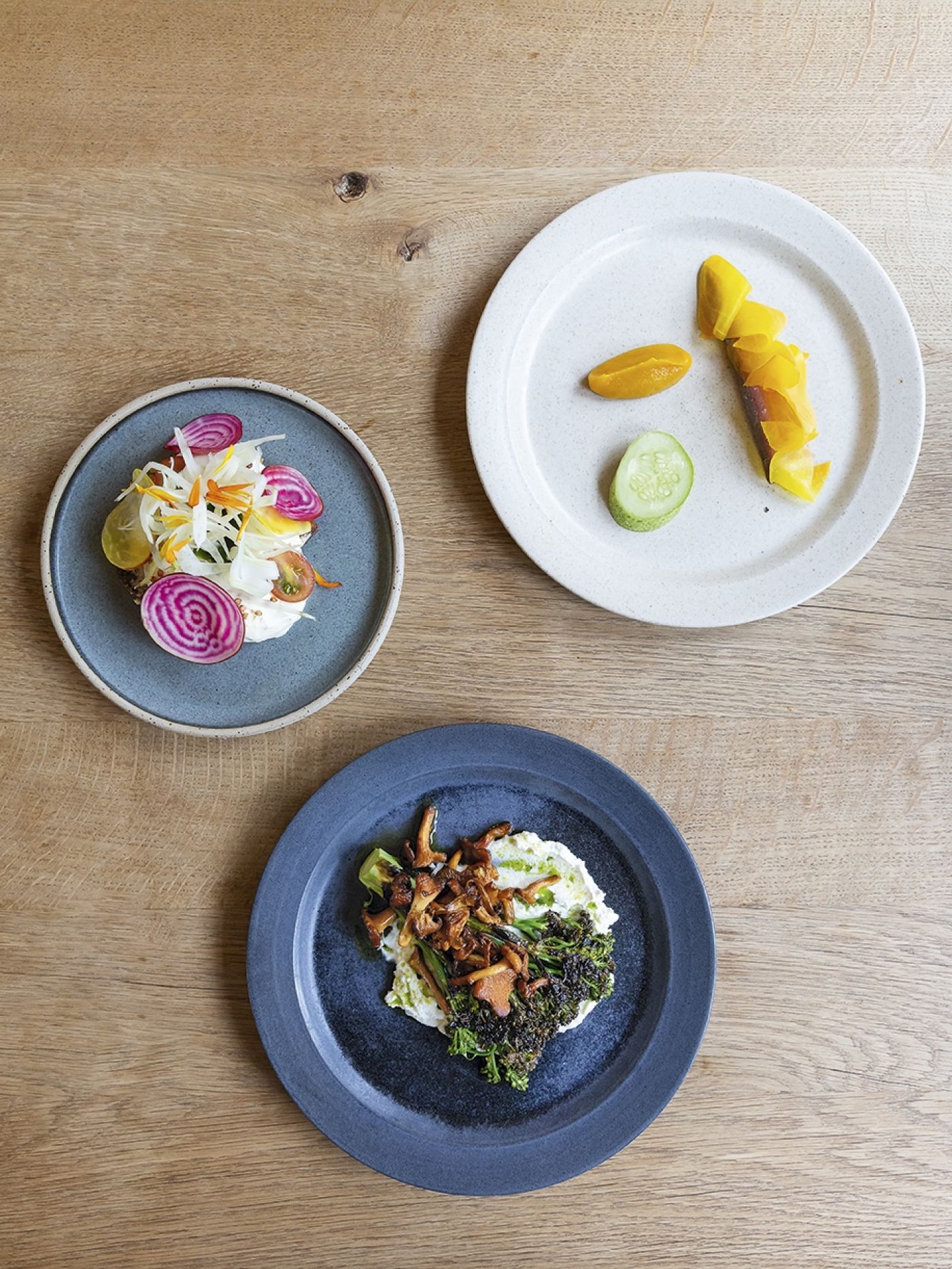
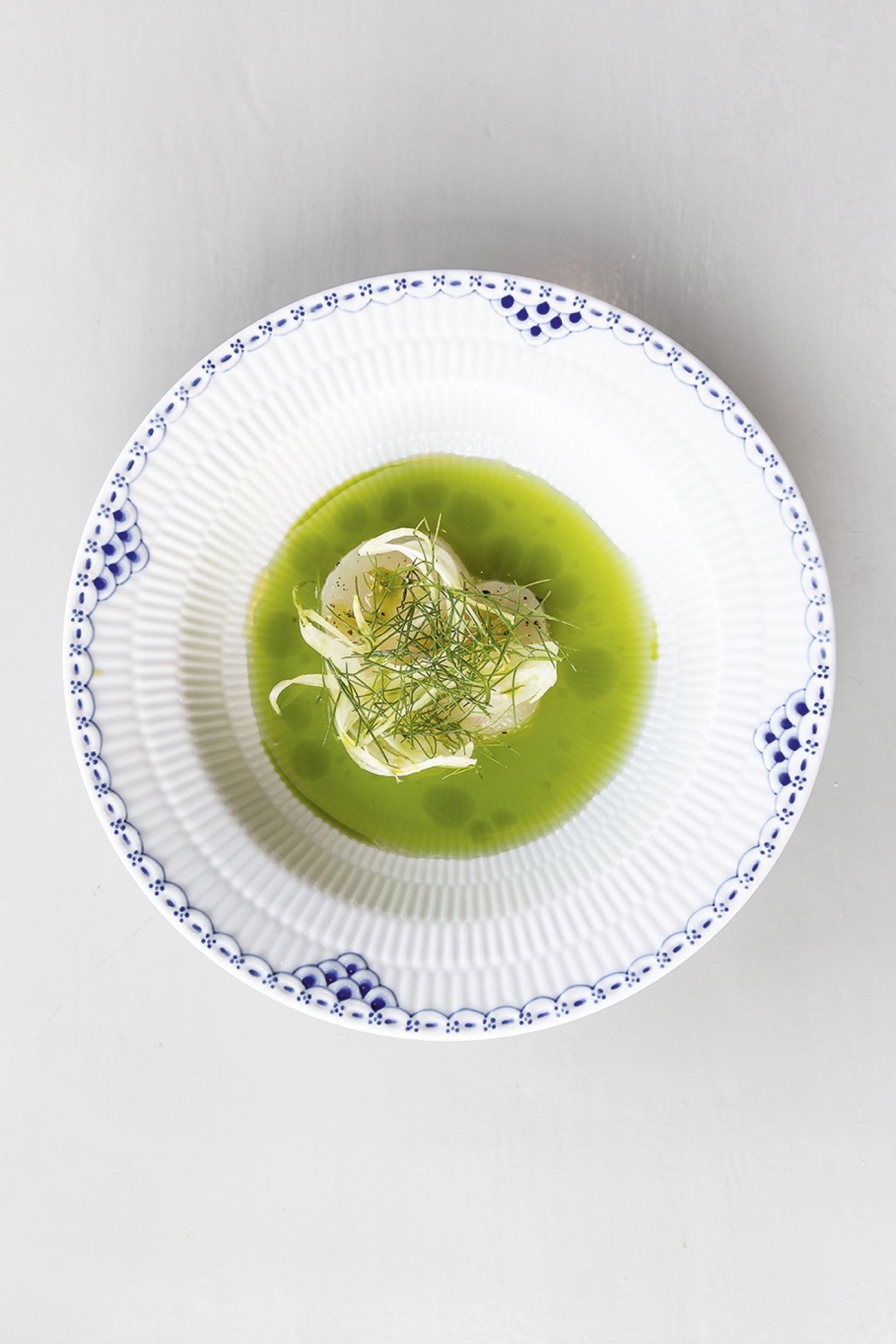
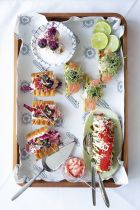
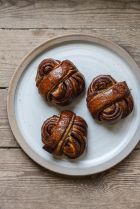
This self-sustaining seasonality comes with pitfalls. In 2023, after lean winter months, they ran out of cured and fermented stock and had a fortnight with only onions and carrots to work with. Not so now, though. Dinner is a rainbow palette of intricate plates. There are meaty, gently metallic-tasting chanterelles and extraordinary goats’ cheese from local producers Tothaven; vibrant rainbow chard sprinkled with crunchy toasted buckwheat; earthy yellow beets and silk-soft mackerel. Leftover rye has been transformed into crispy knækbrød, while leftover cake has been rolled into ‘port balls’ – spheres of organic almonds, throaty alcohol and Friis Holm chocolate well worth bursting a button or two for. To top it off, there’s a pile of hulking cinnamon and cardamom buns, perfect and shiny in the warm, dying light.
Thomas and Louise are passionate about passing on their near obsession with local Nordsjælland produce, both to schoolchildren, through farming classes, and their staff. Johannes ‘Jost’ Lund is one such Rabarbergaarden alumnus, who now runs his own restaurant, Torup Spisehus, in Nordsjælland’s westernmost peninsula. ‘Our whole philosophy is that we gather ingredients for the restaurant from super-local producers – we started within 7km,’ Jost explains.
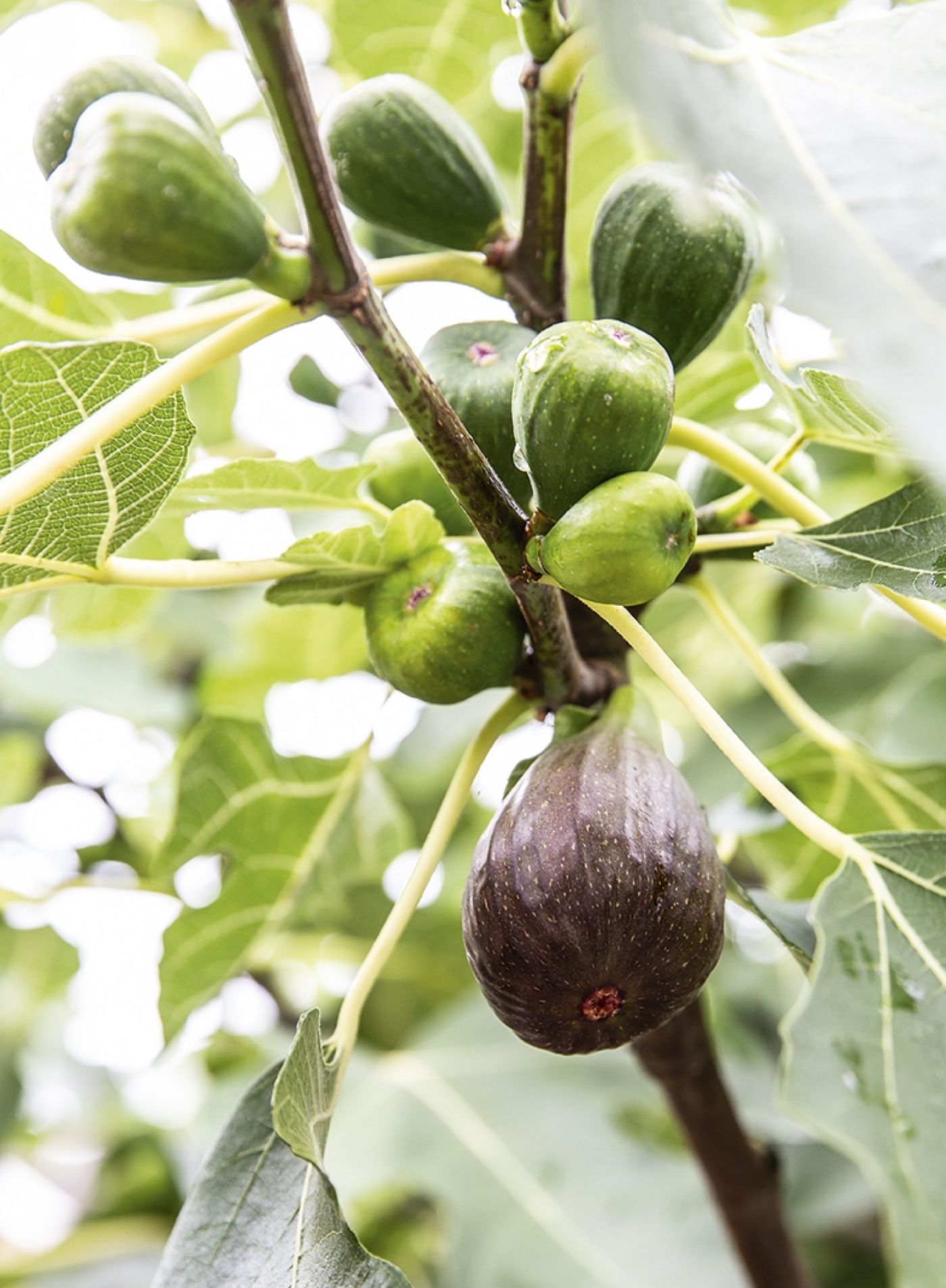
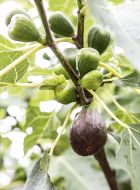
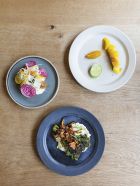
It’s an extreme undertaking that would be near inconceivable elsewhere. Speaking to other chefs, Jost has concluded that Nordsjælland is uniquely able to cater for such compact parameters. Naturally, his menu is still limited by the environment and some ingredients, like salt and olive oil, are inevitably sourced from further away, but his flawless plates are all the cleverer and more interesting for it. His fig-leaf kombucha – fig trees are prolific here after sailors brought seeds from abroad – is astonishing: a mix of vanilla, cinnamon and tarragon flavours without any such ingredients being involved. The meat plate of mutton rillette, dried coppa (pig neck), and sheep’s liver terrine is a umami- and herb-filled tribute to ‘waste not, want more’, while his beer-boiled onion tart is unbelievably moreish, with shortbread-like pastry and toasted, creamy flavours.
The standout is his burnt courgette, turned in parsley oil, served atop ricotta and sprinkled with fermented ramsons (wild garlic) plucked from a church garden. Every dish is a testament to Jost’s ingenuity – he makes his own mozzarella and is now attempting to grow Sichuan peppercorns – and to the regional producers who have wholeheartedly embraced the challenge.
As a visitor, it’s easy to forget how influential this small agricultural community is, both in Denmark and on the world’s culinary stage. Nordsjælland is quaint, quotidian, but it’s constantly attracting new, innovative producers to join its collaborative network. Farms, businesses and entrepreneurs appear across its flat landscape like skipping stones, their familiar names and products cropping up repeatedly.
Tothaven goats’ cheese is one such staple. West of Torup, Tothaven Farm is run by Jakob Feilberg Olsen and Pernille Feilberg, a couple immersed in their local community. Pernille supports troubled youths using animal therapy and through education, while Jakob’s small workshop ferments with whatever takes his fancy. Begun out of curiosity, Jakob’s divine cheeses are in demand. The Lille Hvide has the gooey hum of camembert without that hefty farmyard hit, and the Gouda-inspired Kikhavens Aftensol delivers toothy, tanged nuttiness. But it’s his rosemary and pink peppercorn fresh cheese, feta-like and floral, that justifiably stars in almost every charcuterie board in the region.
It pops up, for instance, as a perfect pairing for wines at a tasting session at Garbolund Natural Winery. Entirely unexpected this far north, the winery started in 2003 and now has 7,350 vines of pinot noir, pinot gris, gewürztraminer and Hungarian ezerjó, all harvested with the help of the community. Garbolund’s growing success, co-owner Bertel Baagøe explains, is down to embracing the local climate rather than striving to meet old-world expectations.
‘When people started making wine in Denmark, they wanted to make it taste like French wine. We’re not doing that; we just let the grape lead us,’ says Bertel. For one thing, the grapes need much more time to develop here and are harvested in October. This patience pays off, with an interesting range of natural wines that includes an impressively bold red. This appassimento – a type of wine ingeniously made from dried grapes, creating deep florals with swirls of cherry and apricot jam – is a triumph given reds rarely wow at such latitudes.
Garbolund’s serried vines give way to the rippling pastures of Mangholm, where owners Tine and Torben Hage specialise in heritage breeds. This organic, regenerative farm is a wind-fluttered nookery of wildflowers, byres and meadows, now home to a five-strong herd of original Danish red cattle, a breed forfeited to 1960s mass dairy production. These livestock supply their farm-to-table restaurant and fertilise the 3,000sqm gardens.
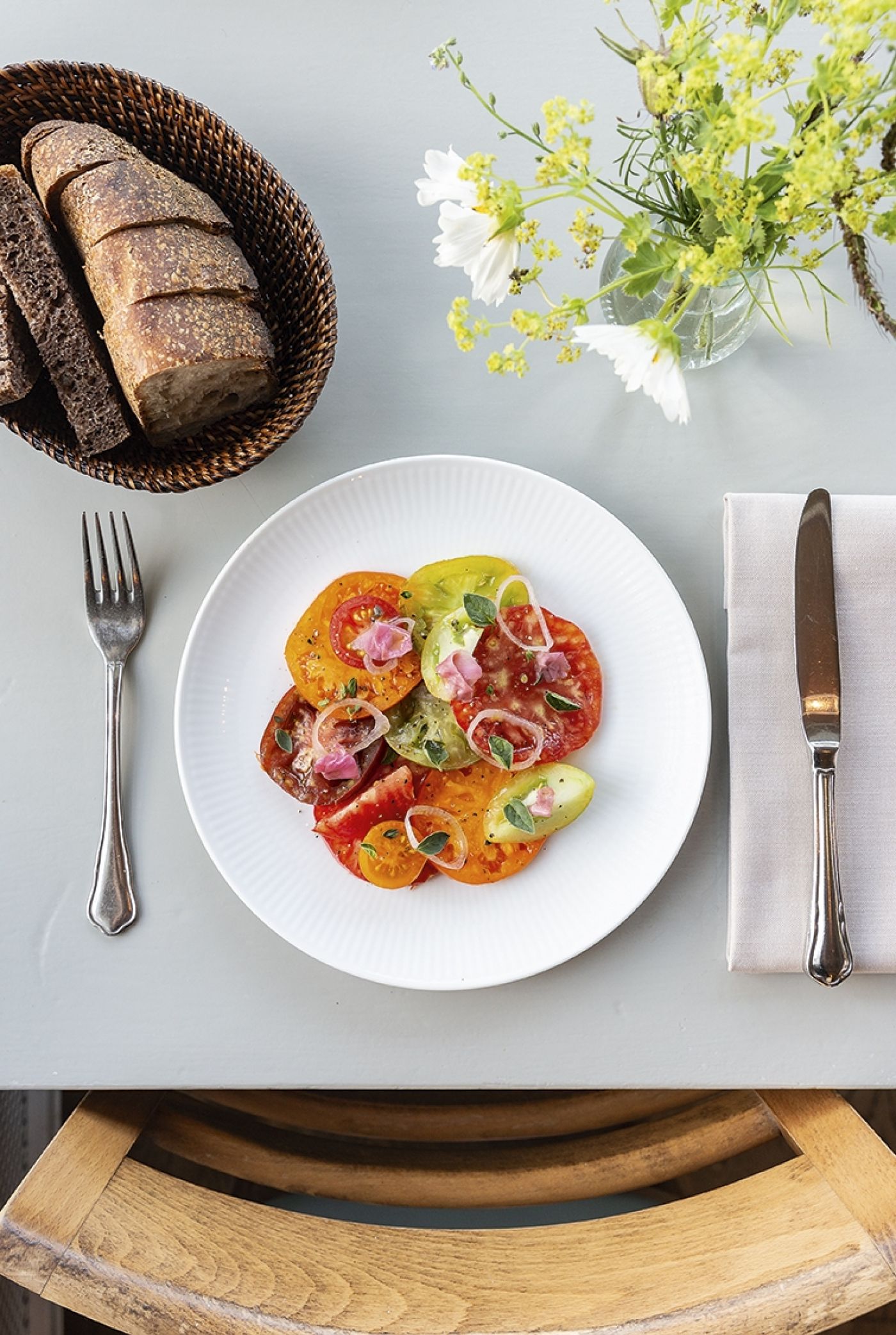
Mangholm’s aromatic beds teem with butterflies, flitting between edible flowers, organic herbs, fruits and vegetables destined for haute cuisine restaurants in Copenhagen. Mangholm’s clients include Michelin darlings like Alchemist, the now-shuttered Noma and Geranium. Many of their crops are hard to source and often grown to order for their restaurants: fiery radish flowers veined like insect wings; plum-coloured pods that reveal fat green peas; plump heirloom tomatoes that open into sweet, pink-green supernova. The plants are largely left to themselves, allowing crops to compete and complement each other.
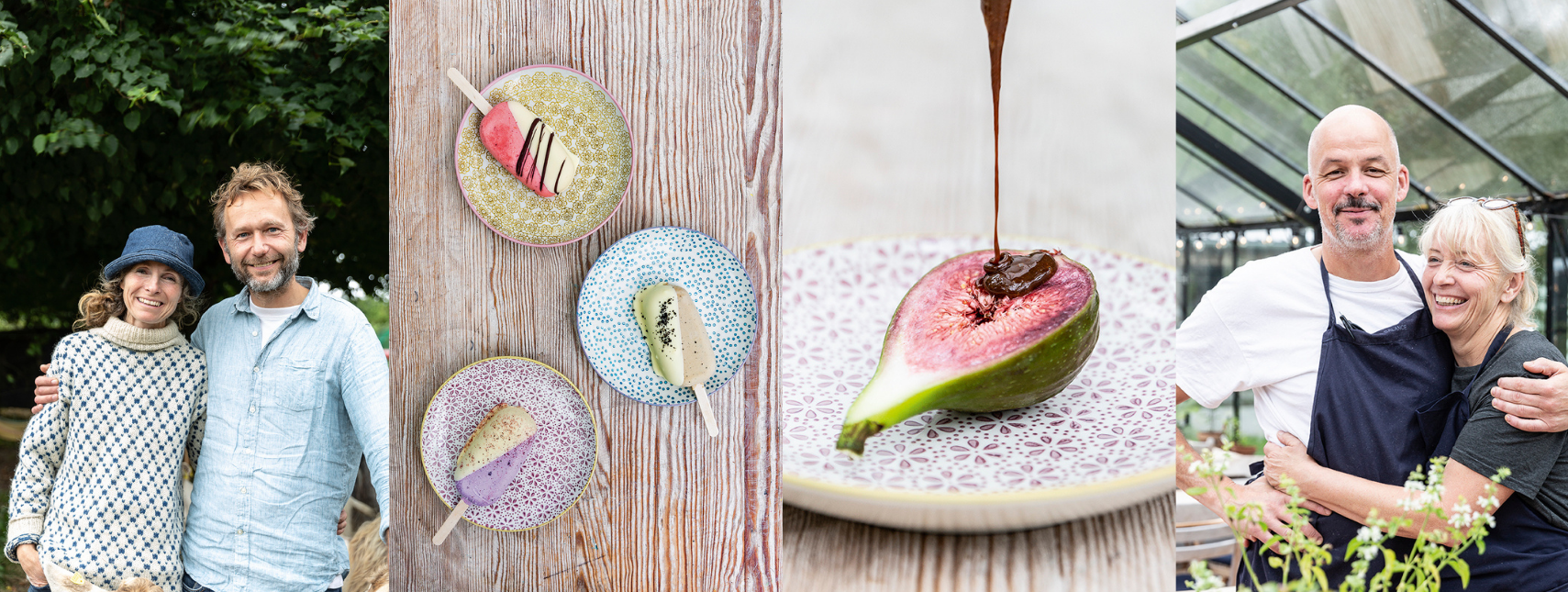
Tine and Torben share their commitment to regenerative farming and heritage produce with a most surprising neighbour. Just 15 minutes’ drive down rural tracks is Lindegaarden Farm, the home and showcase gardens of Francis Cardenau and family. In this place of growth and greenery, the kinetic chef and restaurateur seems free of the heavy cloak of Michelin stars and military-precision service. As his son Victor leads the way through the unfurling gardens, Francis darts between beds, trees and polytunnels like a bee, picking berries and beans and, at one point, acquiring a munchkin pumpkin that he carries for the rest of the visit, gesturing gourdily with each impassioned word. Despite his French roots, Francis is a long-standing ambassador of Danish gastronomy. He aims to have a positive impact on the country’s approach to cuisine, and has passed this lifelong goal on to the entire Cardenau family. Lindegaarden is their proof-of-concept platform, where they showcase the possibilities with regeneratively farmed, local produce.
‘We invite chefs from Copenhagen and all around,’ explains Victor, entering a greenhouse filled with tomatoes, the smallest intensely sweet and floral. ‘We had guys with Michelin stars come and we told them to use what’s in the garden and what’s local.’ But, having agreed, they brought everything from back home. ‘We couldn’t even put a flower on it: they’d brought those too,’ he says. Re-education, even among top chefs, is key to their success, along with the Cardenaus’ creativity. Lindegaarden is a gregarious family affair, which is reflected in their long-table dinner parties.
Daughter Claire tackles marketing, wife Henriette and Victor host, Francis cooks. Projects blossom and root easily in this garden laboratory. The team will try growing anything they can fathom, reimagining how to use produce unsuited to the climate. They’ve grown kiwis that never fully ripen: cut brunoise into tiny cubes, they’re perfect with oysters. Francis handed them on to restaurants like Copenhagen’s Kadeau, hoping they’ll have fun with the ingredients and take Lindegaarden’s format on to a grander stage.
‘We work to promote Danish producers, to move gastronomic knowledge on and improve quality,’ explains Victor. ‘We do that through collaborations, looking inside our borders instead of outside. We want to change people’s ways, not by force but by inspiring them.’ He hands over a glass of homemade water kefir, dry but richly fruity, as Francis proffers a sun-lacquered croissant that crunches like autumn leaves under the teeth. Lindegaarden’s French-led revolution is nothing if not delicious.
Victor prefers to call it ‘the new Danish philosophy’; a fitting title for the region that inspired the country’s greatest thinker. But while Kierkegaard was content to ruminate alone in the wilderness, the Cardenau family have a community approach. They’re harnessing all that Francis created and everyone they know – from locals like Tine to culinary superstars – to both maintain and modernise Copenhagen’s larder for centuries to come. ‘We never change anything alone,’ smiles Francis, as he waves goodbye, croissant flakes falling from his fingertips to settle in the soft grass.
Food and Travel magazine travelled to Nordsjælland courtesy of VisitNordsjælland. visitnorthzealand.com
This article first appeared in the July 2025 issue of Food and Travel Magazine. To subscribe, click here.
Where to stay
Fredensborg Store Kro Built in 1723, making it the same age as neighbouring Fredensborg Palace, this inn has a history of hosting royal guests along with well-heeled bourgeoisie. These days, it features cosy rooms, sprawling lounges and glittering dining rooms. Doubles from £145. Slotsgade 6, Fredensborg. +45 71 712121, storekro.com
Gilleleje Badehotel The region’s best-loved bathing hotel sits atop a 30m-high cliff at Sjælland’s northernmost point. The elegant, historic accommodation has been attracting punters – including Kierkegaard – since 1895. Popular as ever, it has stylish rooms and a delightful restaurant serving seasonal produce. They’ve recently opened Hôtel de Ville, a high-end spa accommodation at the old town hall, renovated to include a spa and two restaurants. Doubles from £156. Hulsøvej 15, Gilleleje, +45 48 301347, gillelejebadehotel.dk
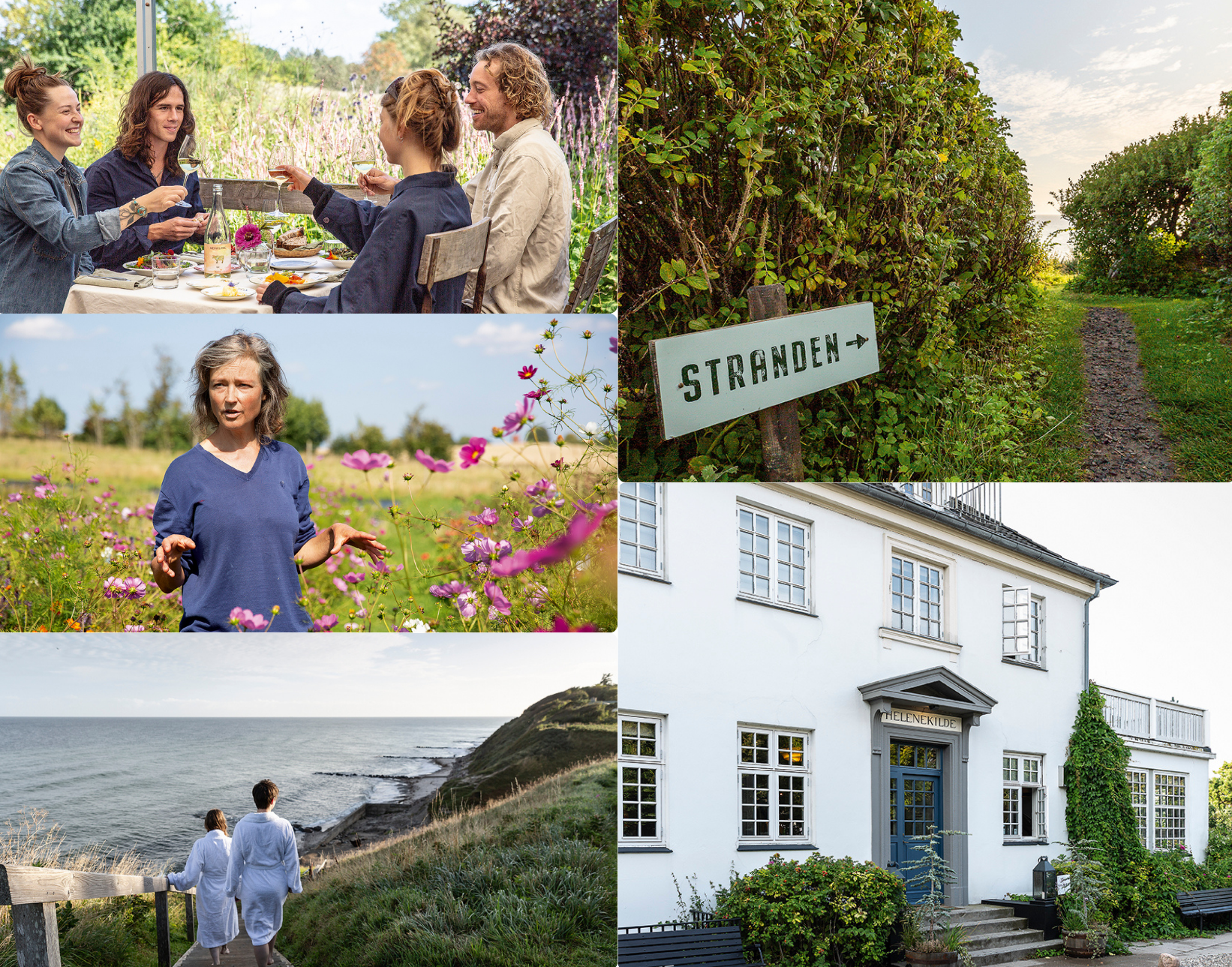
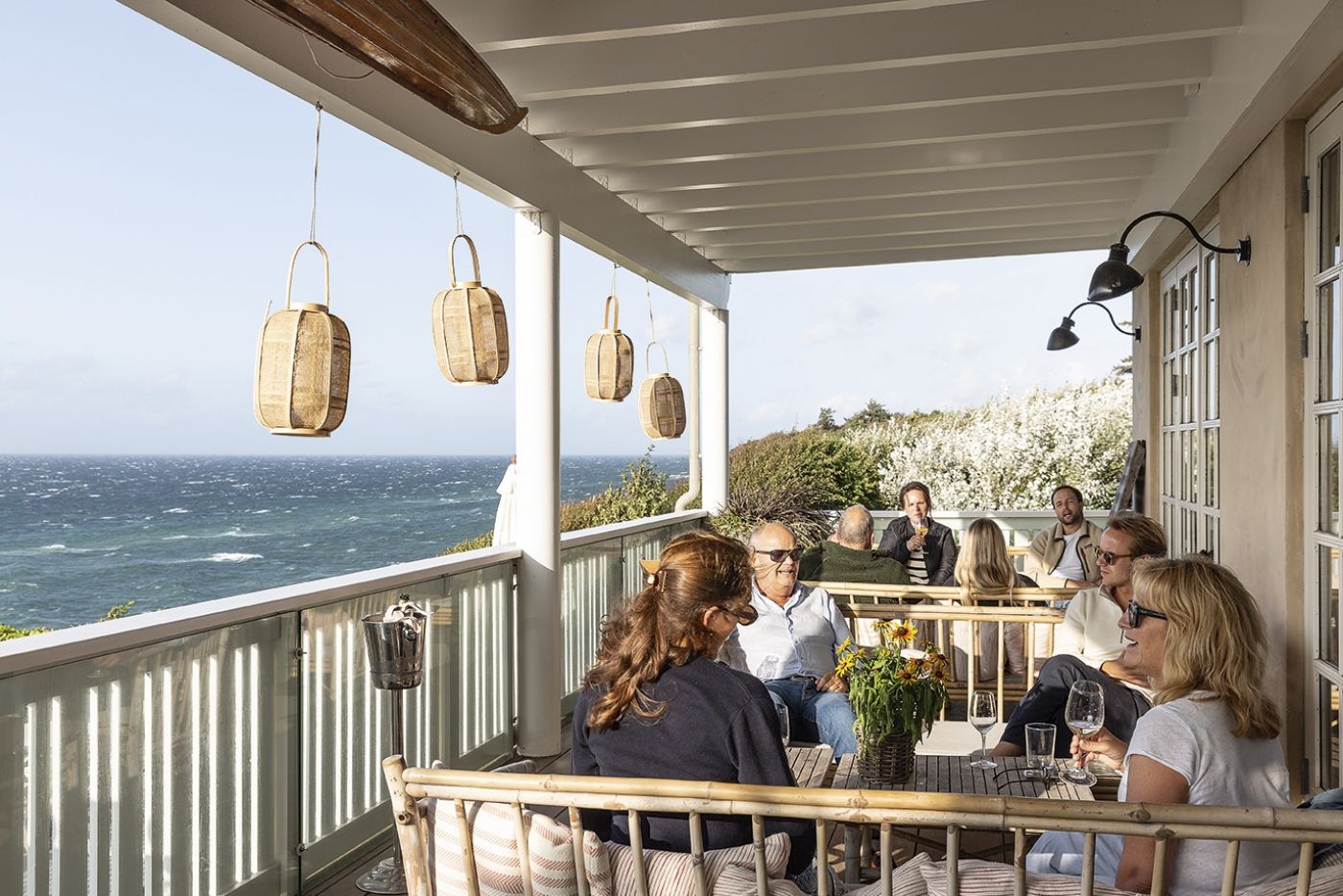
Helenekilde Badehotel This historic pastel-and-wood summer residence has spent the past 120 years as a bathing hotel. Overlooking the rippling Hesselø Bay, Helenekilde has charming original features such as a wraparound porch and clifftop gardens, as well as a sea-facing sauna. Dine on gorgeously plated modernised Danish classics that use local ingredients at Restaurant Kilden. Doubles from £225. Strandvejen 25, Tisvildeleje, +45 48 707001 helenekilde.com
Travel Information
Nordsjælland is the northern section of the Danish island known as Zealand in English, which lies to the east of the main Danish peninsula and is home to Copenhagen, the capital city. Currency is the Kroner and time is one hour ahead of GMT. The nearest airport is Copenhagen, with a flight time from London of approx. 1 hour 50 minutes. From there, the best option is to hire a car, allowing the freedom to explore the entirety of Nordsjælland at your own pace.
GETTING THERE
SAS fly several times a day from London Heathrow to Copenhagen. flysas.com
Norwegian Air also operated several daily flights from London Gatwick. www.norwegian.com
RESOURCES
VisitNordsjælland is the local tourist board, with a comprehensive guide to where to go and what to do. visitnorthzealand.com
Where to eat
Café Vaabengaard Overlooking Gilleleje fishing harbour, this café in the old customs house offers hearty brunch/lunch with charcuterie, fish, coffee and chocolate from local producers and roasters. Brunch platter £17.50. Nordre Havnevej 7, Gilleleje, +45 20 326716, cafevaabengaard.dk
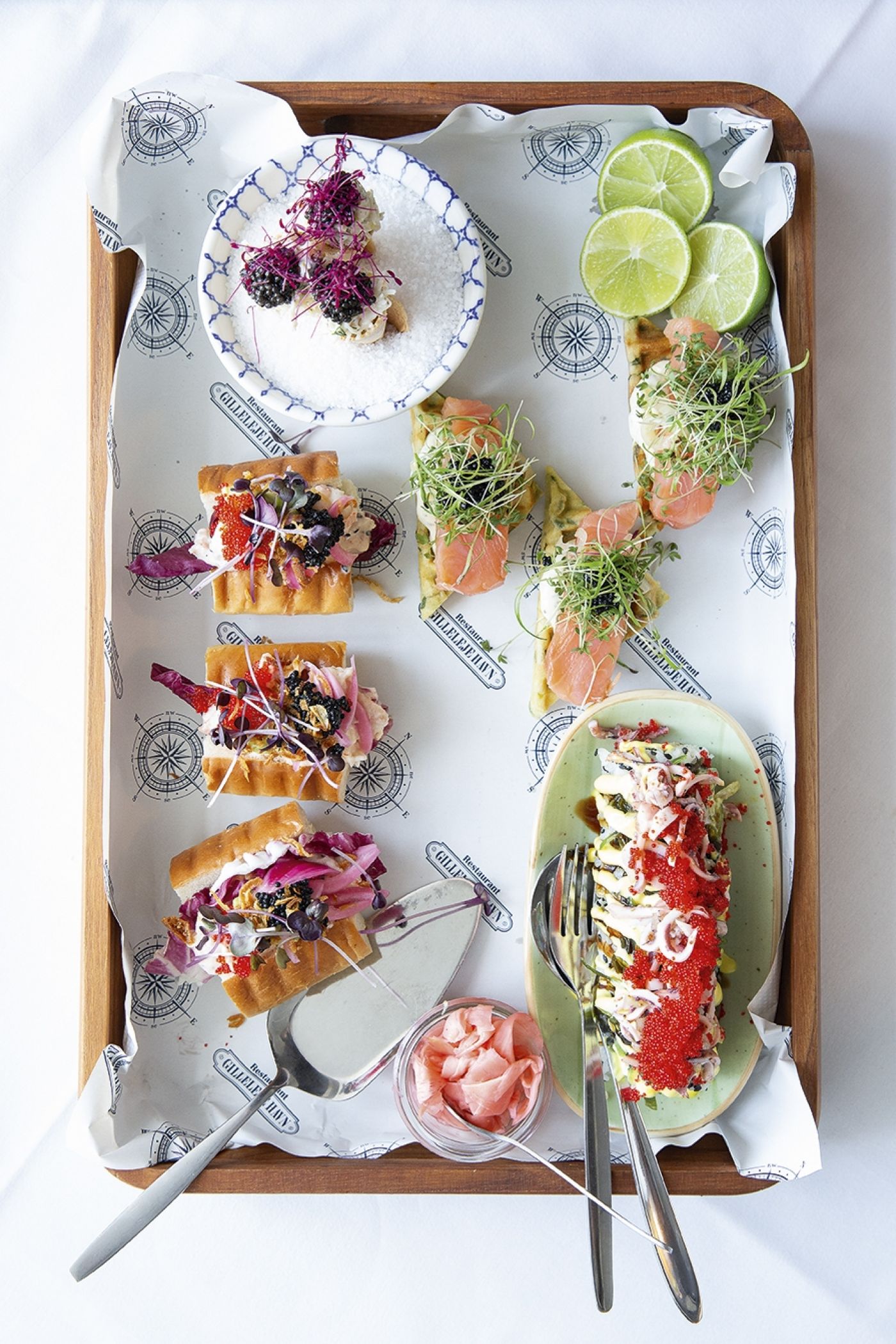
Gilleleje Havn & Krostue Gigantic seafood tasting boards, and rye bread that is famed across Denmark – pick some up, no matter how stuffed you feel. From £48. Havnevej 14, Gilleleje, +45 48 303039, gillelejehavn.dk
Knud Local food ambassador, art lover and kitchen wizard Jens Hedding makes everything from scratch, even the cola, and seafood is caught just outside. From £50. Havnegade 18m Hundested, +45 40 483390, knud.biz
Louisiana Café The light-filled cafe at the Louisiana Museum of Modern Art is an unexpected culinary giant, where head chef Michael Willumsen has created a delicious green menu that eschews beef, lamb and trawlercaught fish without losing depth of flavour. Lunch mains from £21. Gl Strandvej 13, Humlebæk, +45 49 190719, louisiana.dk
Munkeruphus Colonial-style house transformed into a gallery and café, with Michelin-experienced Charlotte Nowak at the helm. Tables in treelined, sunlit gardens. Lunch (two small plates) from £18.60. Munkerup Strandvej 78, Dronningmølle, +45 49 717906, munkeruphus.dk
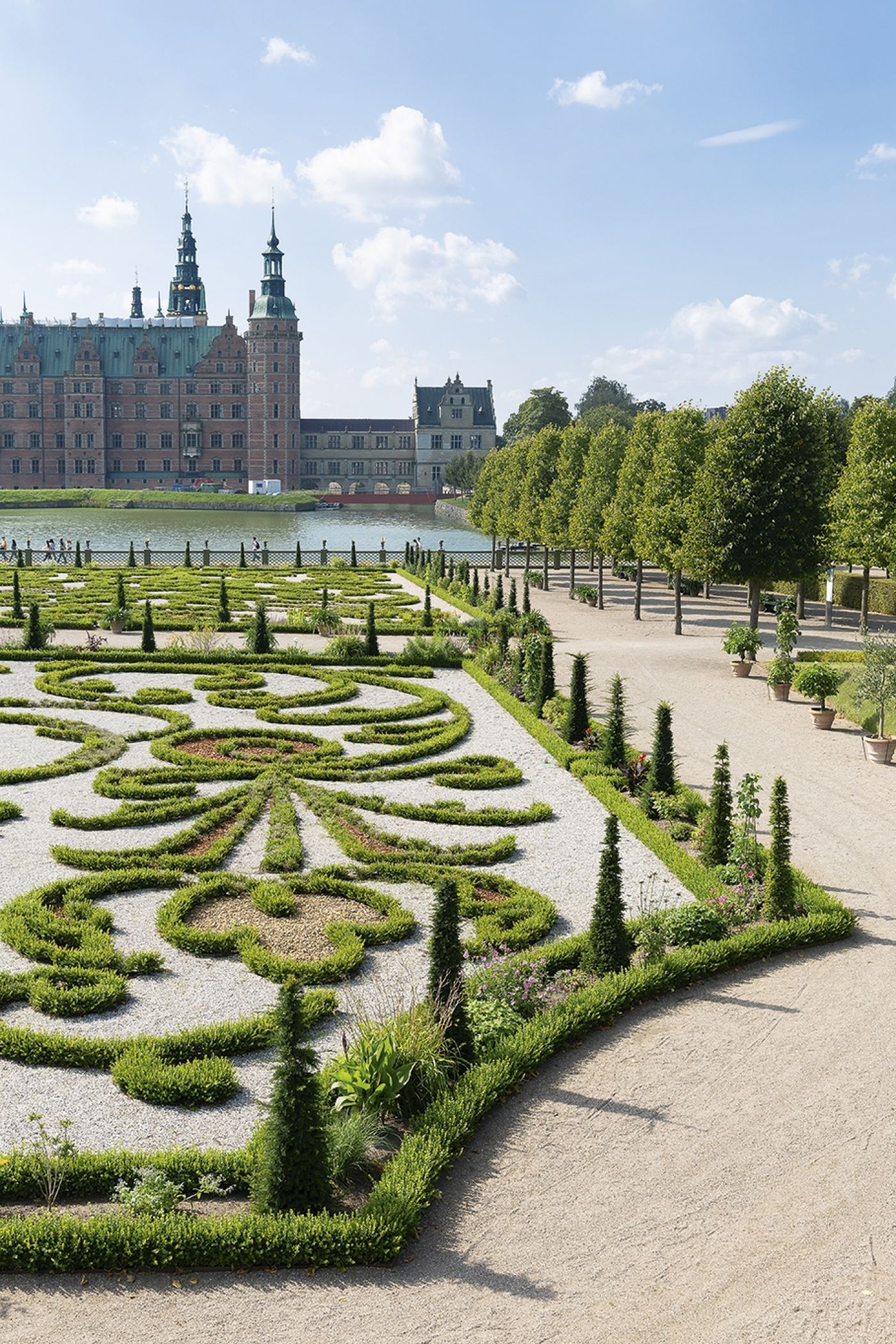
Rabarbergaarden Slottet Sustainability dictates the menu at this new branch of Rabarbergaarden in the old castle stable, with plans to resurrect the king’s kitchen garden. From £44. Frederiksborg Slot, Møntportvejen 5, Hillerød, +45 53 717201, rabarbergaarden.dk
Restaurant Fyrkroen Enjoy mouthwatering versions of the famous open sandwich with breathtaking views from this cliffside spot. Two-course lunch with wine from £28. Fyrvejen 29a, +45 48 300225, fyrkroen.dk
Restaurant Sletten The duo behind Copenhagen’s Michelin-starred Formel B also run this quiet restaurant in a quaint fisherman’s haunt, focusing on local seafood in extraordinary, colourful plates. From £53. Gl. Strandvej 137, Humlebæk, +45 49 191321, formelfamily.dk/sletten/en
Skipperhuset An idyllic spot housed in the old laundry rooms of Fredensborg Palace. Dine on aesthetic plates that showcase local ingredients by the lapping banks of Esrum Lake as sun sets over the water. From £56. Skipper Allé 6, Fredensborg, +45 48 481012, skipperhuset.dk
Torvets Café & Vinbar Best friends Jeanett Korch Elong and Gitte Høyer are the life and soul of this cool wine bar, brimming with locals and laughter, with a novel-sized menu of wines. Glass of wine from £5.60. Torvet 6, Hillerød, +45 25 566656, torvetscafeogvinbar.dk
Get Premium access to all the latest content online
Subscribe and view full print editions online... Subscribe