São Miguel Azores, Portugal
Even the less-travelled among us are now likely familiar with the Azores – something unthinkable just a decade ago. In 2023, the archipelago saw its highest-ever number of overnight stays (3.8 million), and between January and August 2024, there was an 8.5 per cent increase from the previous year. It’s as though a stupefying force field has recently lifted from this magnificent group of nine Portuguese islands in the Atlantic, and we have collectively rediscovered an Edenic paradise.
Realising this, locals are more determined than ever to prioritise the preservation of their natural resources and biodiversity over tourism. They’ve even implemented measures like using biofuels and electricity for transportation, aiming for carbon neutrality by 2050. What’s more, some 300,000sq km of ocean around the archipelago have just been designated the biggest Marine Protected Area in the North Atlantic network. As a result, the Azores are becoming a blueprint for green tourism. Nowhere is that more obvious than on São Miguel, the archipelago’s largest island. Nicknamed The Green Island for its swathes of untouched rainforests, it promotes low-impact activities such as hiking and biking through its lush, unspoiled terrain. The expansive volcanic valley in the centre, Furnas, allows the island to harness geothermal energy – and has done for centuries, as evidenced by the traditional local dish, cozido. This delicious stew is slow-cooked in fumaroles, holes dug in the hot volcanic soil.
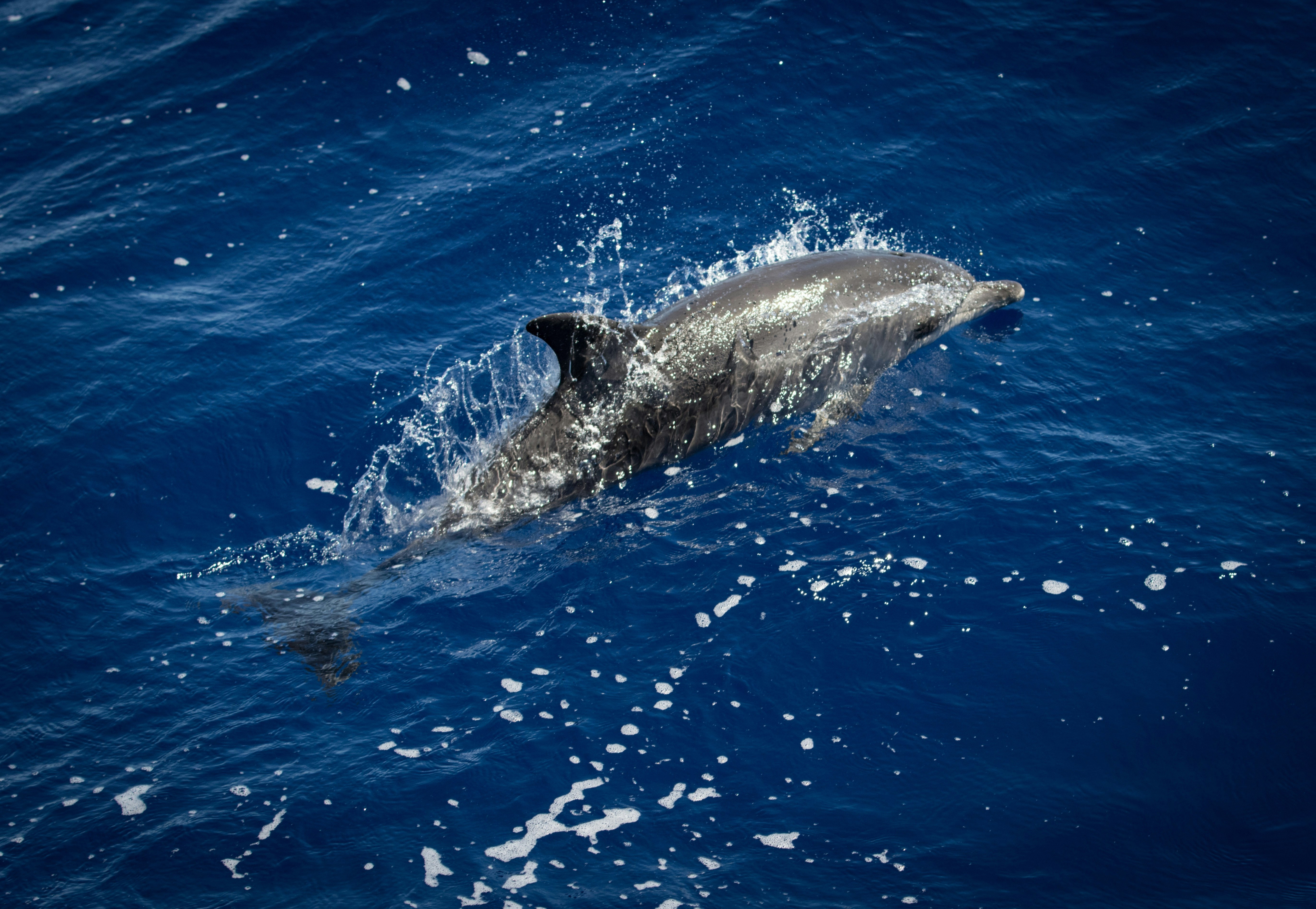
As for wildlife, dolphins, turtles and whales (sperm, pilot and great) play off the coast and can be carefully observed on responsible tours. Birds such as the rare Azores bullfinch flit about in the eastern skies, while various beekeeping initiatives across the island, including those at Solar Branco Eco Estate, are working to boost the bee population.