NIHI Sumba alifeiimagined 00157

Island Escapes - far-flung destinations offering a welcome escape

With winter in full swing, far-flung destinations offer a welcome escape. Lauren Jade Hill uncovers the beguiling island idylls where pristine wilderness and heavenly shores combine with the promise of culinary and cultural exploration.

This article was taken from the Reader Awards 2025 issue of Food and Travel. To subscribe today, click here.

Sumba Indonesia

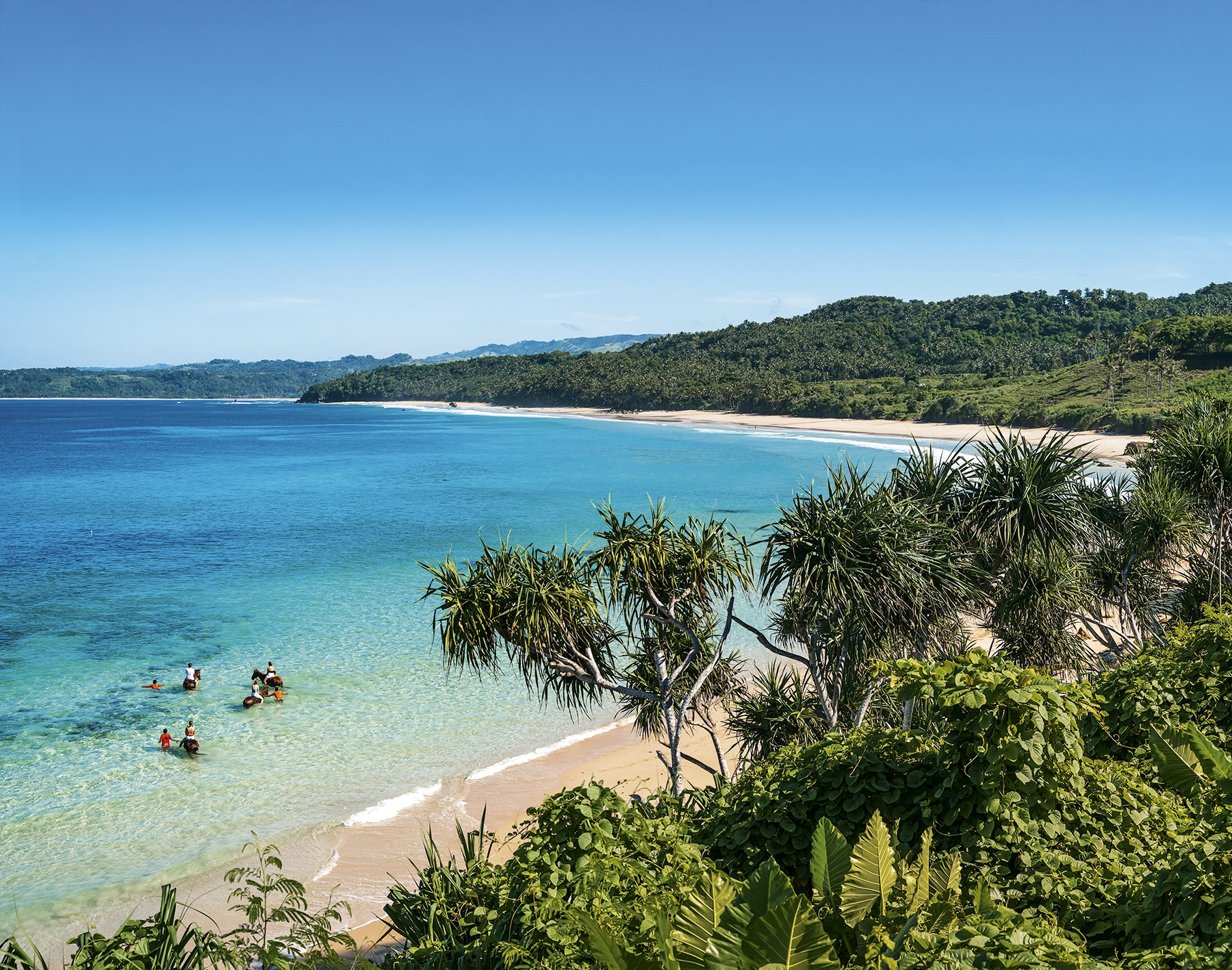
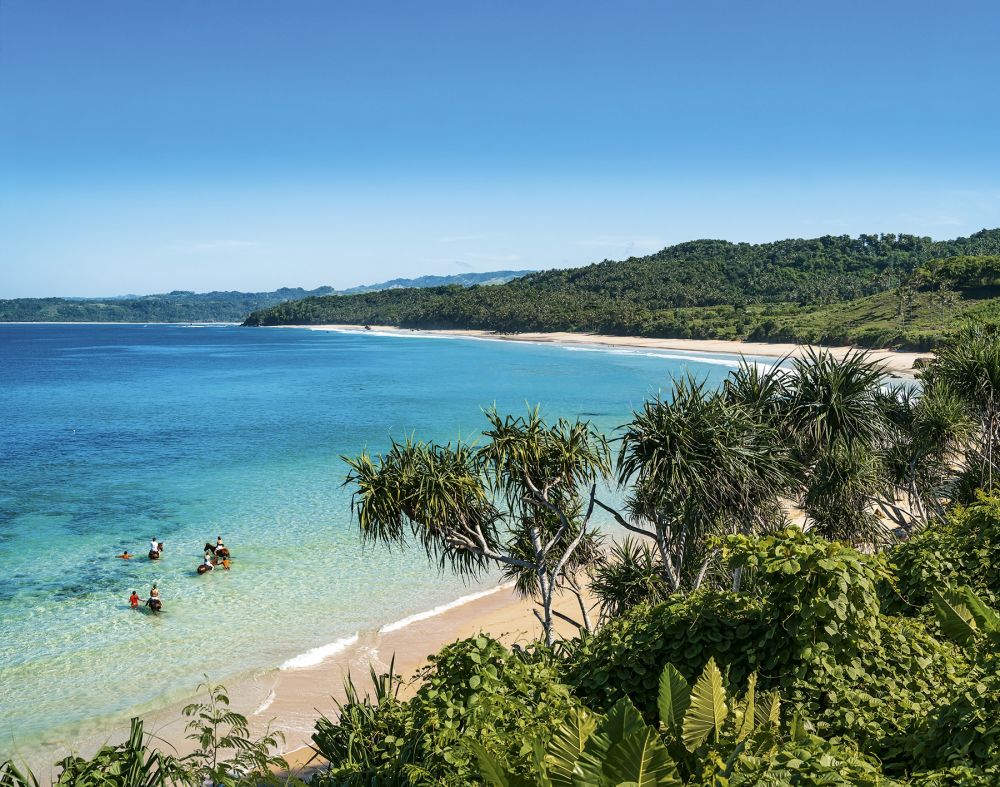
What we love Even if you’ve done Bali, and already ventured over to Java or Lombok, you can take your exploration of Indonesia to another level by making the journey to this less travelled island in the Lesser Sunda archipelago. Just one of the estimated 17,500 islands making up this island-nation, Sumba stands out for its individuality, with untouched wilderness and a community intent on keeping the island’s rich traditions alive.

How to do it Push the boat out with a stay at Nihi Sumba once a surf club, now a luxury retreat responsible for sustainably pioneering tourism on Sumba, with the many initiatives of its foundation making a significant, positive impact on the island. Wild horses gallop through the surf of this 28-villa resort spread across 230 hectares of jungle on the secluded western coast. The resort’s spa is tucked away on its own patch of picturesque coastline elsewhere on the island, with guided hikes leading the way there. Alternatively, stay at one of the more moderately priced hideaways, like Lelewatu that are following in Nihi’s footsteps. Make the most of your time on the island by hiking through wild landscapes home to hidden waterfalls like Matayangu, and following trails to villages that welcome visits from tourists, such as Prailiu Kampung Raja, with their distinct conical roofs – and offer the chance to join in traditional crafts like ikat weaving. lelawatu.com nihi.com

Island flavours Indonesia’s cuisine is as diverse as its culture and landscape. On Sumba, food is often cooked over fire and defined by the land and sea surrounding each community. Freshly caught fish comes with coconut, cassava and wild greens. Indonesian classics like nasi goreng feature, using island ingredients that give them a unique local flavour. Cashews and tropical fruits, like soursop and mango, grow across the island.

NIHI Sumba alifeiimagined 00157

Travel Details

Photography by @alfieiimagined

Okinawa Japan

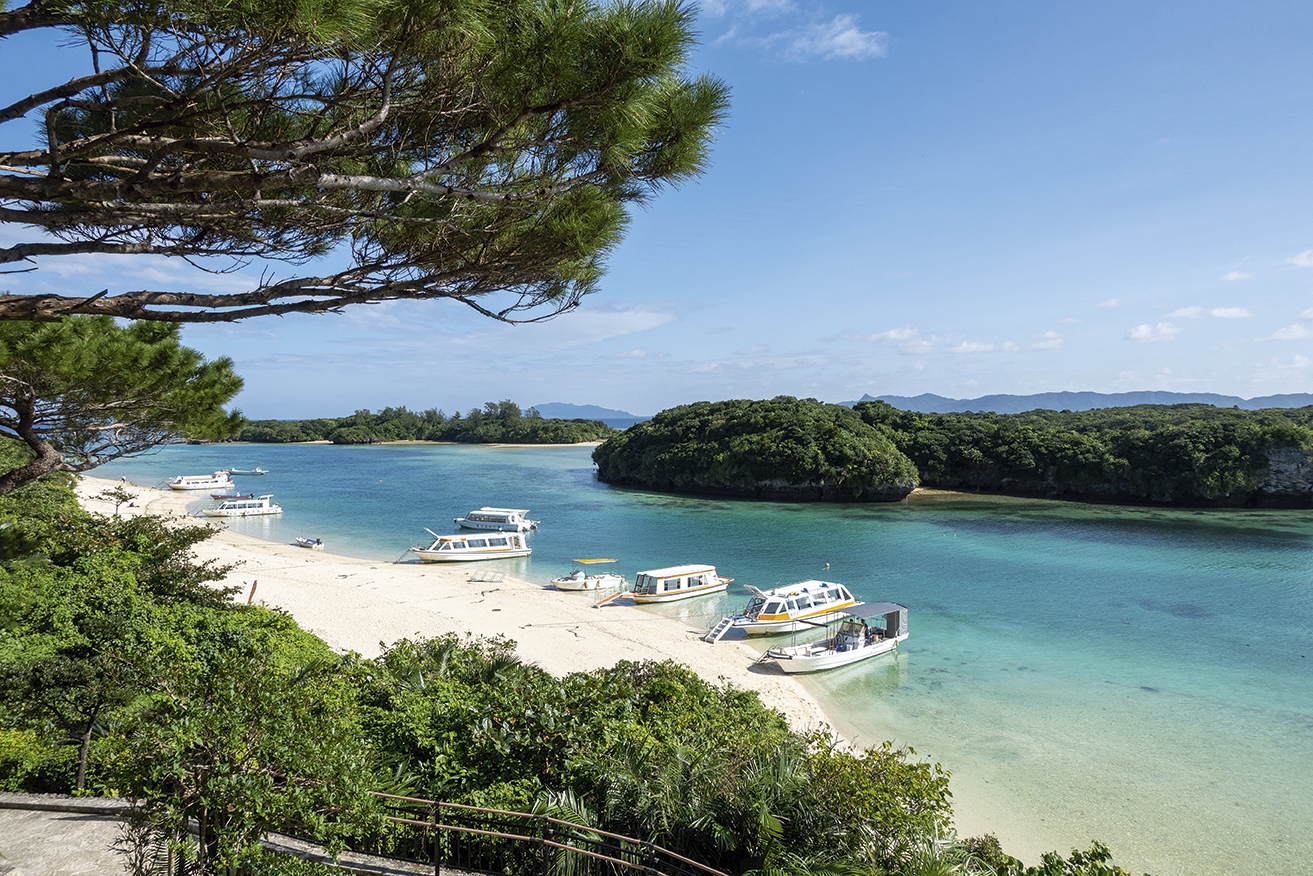
What we love With its subtropical climate and unique culture stemming from its fascinating past as the Ryukyu Kingdom, Okinawa stands apart as both an island idyll and a diversion from what you may think you know about Japan. This far-flung archipelago of around 160 islands south-west of mainland Japan combines a pristine environment of sandy shores and lush jungle with traditions that are unique to this region. Underwater exploration is a big draw, with thriving coral reefs offshore, known for sightings of manta rays and sea turtles. Humpback whales pass through from January to March, with whale watching boat tours departing from several islands.

How to do it The gateway is the capital, Naha, on the main island, Okinawa Honto. Dive into the past with a visit to the red-and-gold Shurijo castle, stop by the cliffside Naminoue Shrine and dip into Okinawa Prefectural Museum and Art Museum for insight into the islands’ culture, past and present. From Okinawa Honto, travel on to the smaller islands of the Kerama, Miyako or Yaeyama island groups – all accessible by air. We love Zamami in the Kerama Islands for unspoilt beaches; at Furuzamami, for instance, you can swim with turtles. Hike its hilly forested interior to Takatsukiyama Observatory for views of the surrounding islets.

Island flavours Chinese, Southeast Asian and North American influences come together, with signature dishes like Okinawa soba noodles and goya champuru also making use of local produce like bitter melon, sweet potatoes and the islands’ abundant seafood. For something sweet, try sata andagi (Okinawan doughnuts) using the caramel-like brown sugar that’s made here. Get your first taste of the local flavours at Makishi Public Market in Naha.

Kabira Bay Mandatory credit OPG or Okinawa Prefectural Government 1

Travel Details

Photography by ©Okinawa Prefectural Government.

São Tomé and Príncipe

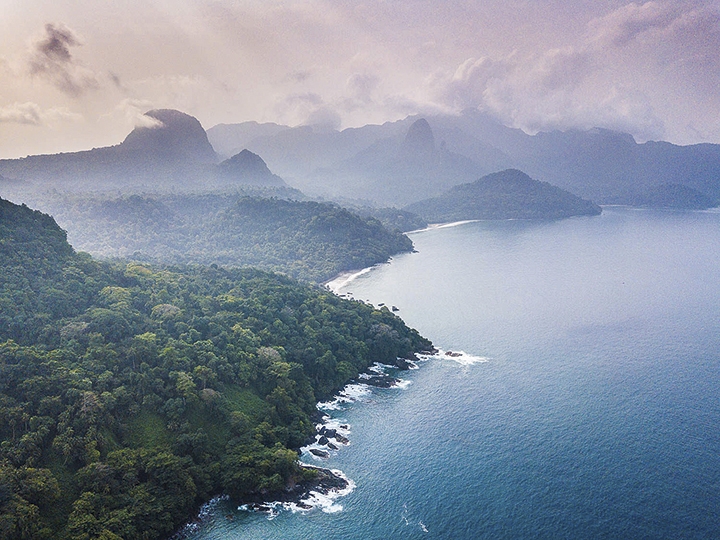
What we love Striking rock formations, rainforest and long, deserted beaches distinguish these islands’ tropical wilderness, known for the lush Ôbo Natural Park and its towering Pico Cão Grande spire of volcanic rock. Africa’s second smallest nation, made up of two islands and several rocky islets on the equator in the Gulf of Guinea, this island destination can still genuinely be considered off the beaten path despite gaining increasing recognition for its breathtaking sights. The clear marine-life-rich waters are ideal for snorkelling and diving and you have the chance to see humpback whales if you visit from July to October.

How to do it Stay on the busier island of São Tomé for the greatest variety of sites, or opt for the island of Príncipe if you’re drawn to the more remote, untouched wilderness of this less developed isle – flights connect the two islands if you want to combine them. On São Tomé, explore the eponymous capital, home to a national museum and cathedral, follow the nature trails of Ôbo and seek out beaches like Praia dos Tamarindos. On Príncipe, hike to waterfalls and through the Pico Papagaio jungle, unwind on beaches like palm-fringed Praia Banana and take a boat trip to the Bay of Spires. Sustainable development group HBD Príncipe which is also behind four boutique hotels, including the rainforest-enshrouded Sundy Praia lodge, promotes ecotourism through experiences such as cacao plantation tours with chocolate tastings, rainforest-to-beach hikes and guided island tours connecting you with local artisans. hbdprincipe.com

Island flavours African and Portuguese influences are at the fore. Seafood, root vegetables such as cassava and tropical fruit like jackfruit star in dishes like calulu stew featuring dried, smoked fish, and matata – clams cooked in port. You’ll find cacao in dishes too– the nation was once the world’s largest producer. Tour operators may include a visit to Roca Sao Joao de Angolares on São Tomé, known for its Santomean tasting menus and cooking classes.

Principe copyright Scott Ramsay www Love Wild Africa com 174

Travel Details

Photography by Scott Ramsay (www.LoveWildAfrica.com) - scottramsay.africa

Bazaruto Mozambique

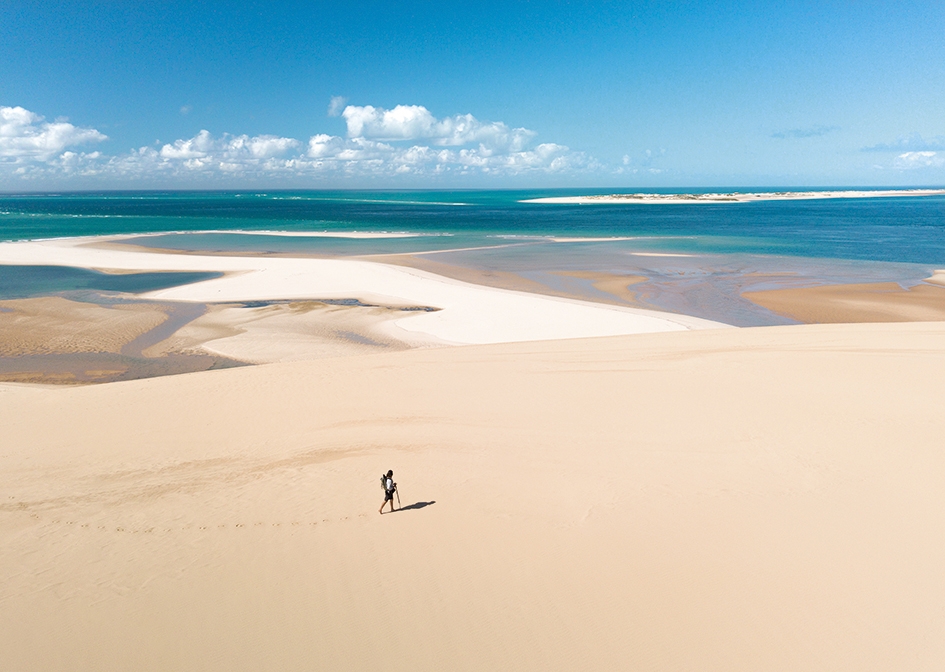
What we love These six tiny islands off the southern coast of Mozambique captivate with their extraordinary marine life – giving the area National Park status and Unesco recognition as a marine reserve – in turquoise waters that contrast with bars of white sand frequented by pink flamingoes. It is perfectly possible to find yourself with one of the islands’ beaches to yourself, with a boat trip, perhaps on a traditional dhow, to bring you up close to dolphins, sea turtles, manta rays and the seagrass-grazing dugong – whale sharks also pass through these waters between October and April. Much of the experience here is about island hopping and the sea: snorkelling, scuba diving, and fishing count among the top ways to spend your time, but it’s also worth getting to know these islands through land-based excursions.

How to do it A small island of towering dunes and indigenous forest, Benguerra provides a picturesque base for exploration of the archipelago. Small beach resorts here include the eco-luxury andBeyond Benguerra Island with its small collection of cabanas and casinhas and a fishing boat-turned-beach- bar, where you can dine under the stars; activities include dune picnics and horse-riding on the beach. Set out on a sea safari across the archipelago, tour Benguerra by jeep and cross to other islands such as nearby Santa Carolina – known as Paradise Island, with good reason – home to the ruins of a grand hotel at whose piano legend says Bob Dylan wrote Mozambique. The islands are accessible by boat and air from Vilanculos on the mainland. andbeyond.com

Island flavours African and Portuguese meet Indian and Arab influences. Seafood is dominant, with prawns, clams and grilled fish featuring in signature dishes like curry with coconut milk, matata stew and peri-peri sauce. Expect mango and bananas in both sweet and savoury specialities.

Shutterstock 1159445497

Travel Details

Photography by Shutterstock; Ivy Yin

Seychelles

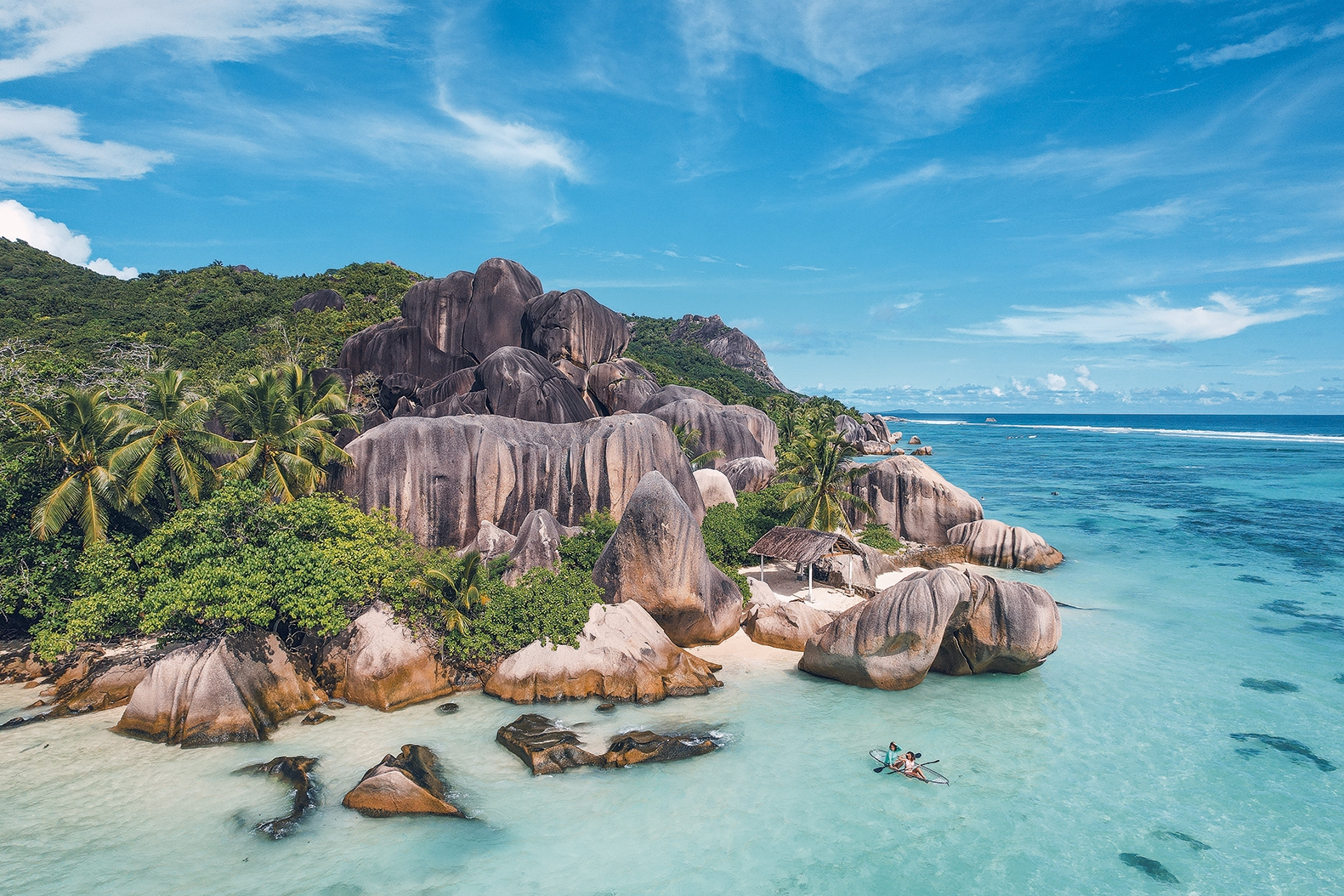
What we love The Seychelles’ initial aesthetic appeal – giant-rockstrewn, white-sand beaches backed by rainforest blanketing the mountainside – is backed by an abundance of endemic wildlife, including the legendary Aldabra giant tortoise, a diversity of marine life and vibrant Creole culture. The smallest country in Africa, approximately 1,600km off the mainland, this Indian Ocean island-nation provides a sense of escapism.

How to do it Of the 115 islands making up the archipelago, just 33 are inhabited. While the more remote coral atolls of the Outer Islands are scattered, the granitic, mountainous Inner Islands are closer together and, as well as being home to most of the population, several have private island resorts. The largest, Mahé, makes a great base. Here, you may come face to face with the Aldabra tortoise at Jardin Du Roi Spice Garden, or follow nature trails through Morne Seychellois National Park and explore the National Botanic Garden. In Praslin, make for World Heritage Vallée de Mai Nature Reserve, a palm forest largely unchanged since prehistoric times, seek out much-loved beaches like Anse Lazio and take a boat trip over to Curieuse Island, known for its population of tortoises and coco de mer trees. The picturepostcard beaches of La Digue are legendary, while hiking trails lead through the jungle. Ferries connect Mahé to Praslin and La Digue, making island hopping easy.

Island flavours Expect grilled fish, like red snapper, marinated ingarlic, ginger, chilli and lemon, or a Creole curry using the local seafood, coconut milk and spices. Fruit bats also make their way into a signature local curry and breadfruit comes in a number of forms including ladob, cooked with coconut milk, sugar and spices. Seek out local flavours in one of the world’s smallest capitals, Victoria, and tour Takamaka Rum distillery.

DJI 0947

Travel Details

Photography by Tourism Seychelles

The Andaman and Nicobar Islands India

What we love Appealing to adventurous spirits, a visit to these islands in the Bay of Bengal offers a glimpse into the archipelago’s indigenous tribes. And, of the approximately 572 islands making up Andaman and Nicobar, only a select few are open to tourism, for the protection of the islands’ indigenous communities and biodiverse habitats. Islands like Havelock, Long Island and Little Andaman deliver on both paradisal appeal and culture.

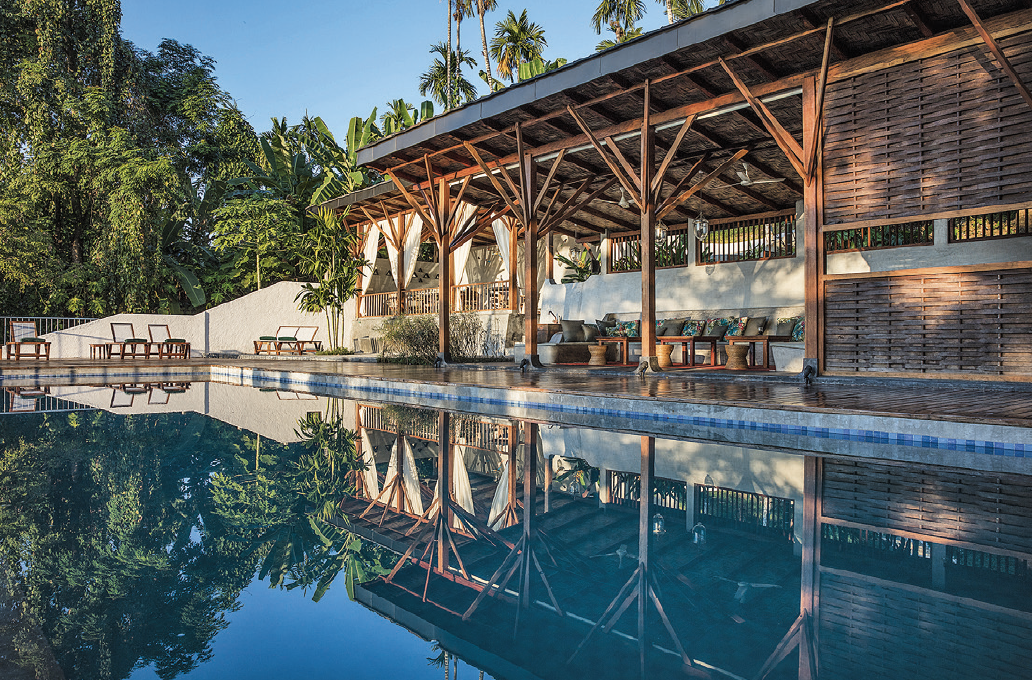
How to do it Fly into Port Blair (around a two-hour flight from Chennai or Kolkata) on South Andaman Island. Make time for its landmarks and museums that showcase the history and tribal culture of the region, before travelling by ferry or speedboat on toyour island of choice. Havelock proves particularly popular for itslong white-sand shores, including those of the world-class Radhanagar Beach, exceptional scuba diving, a verdant interior explored on forest walks and mangrove kayaking excursions. Book into boutique eco-hotel Jalakara on a former banana and betel nut plantation for a nature-enshrouded stay. The local market is a 20-minute walk away and there’s a shuttle to Radhanagar Beach, plus local boat trips. jalakara.info

Island flavours A blend of regional Indian influences, including South Indian and Bengali, along with the impact of native groups such as the Onge people, these islands’ flavours are reflective of the territory’s cultural identity. Their isolation has also resulted in a cuisine that focuses on natural, native products. Seafood, like lobster and crab, abounds and coconut features heavily. Signature dishes include Andaman fish, breadfruit and bamboo shoot curries and the Andaman biryani.

Screenshot 2026 03 11 at 10 13 39

Travel Details

Photography by Ed Reeve

Tahiti French Polynesia

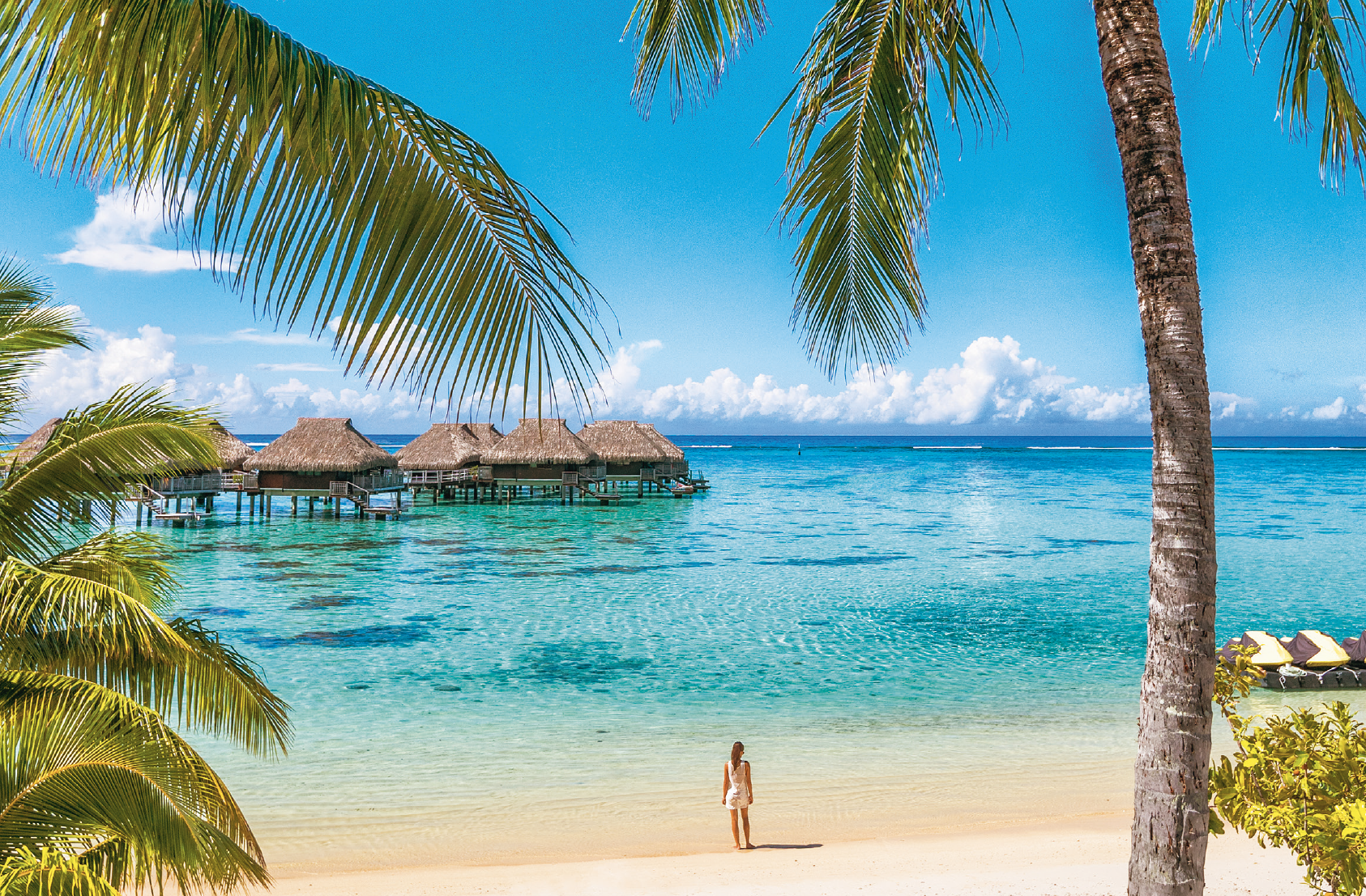
What we love Rich Polynesian traditions can be explored while relaxing amid a breathtaking landscape of forested mountains, deep blue lagoons and both black and white sand shores. As many as 118 islands and atolls, grouped into five archipelagos, are encompassed within the French Polynesian Society Islands chain, scattered across vivid turquoise waters. Within this island chain, Tahiti is a natural playground of waterfalls, lush valleys and hidden coves, with the island’s capital, Papeete, showcasing Polynesian culture through its historic sites and food and art scenes.

How to do it Stay in and around Papeete, the heart of the island, and rent a car or join guided tours to see less accessible parts. Take in key cultural sites such as Arahurahu Marae archeological site in Pāea, which reveals details of Maohi culture, and the art-filled celebration of Tahitian history and culture, Museum of Tahiti and the Islands. Venture to scenic spots across the island such as Cascades de Faarumai and Vallée de Papenoo, snorkel from the white-sand Vaiava Beach and take a swim from the black-sand Lafayette Beach overlooking Moorea. Boat trips take in more of the surrounding islands or, those with more time might like to take the short flight to Bora Bora to experience ultimate lagoon life.

Island flavours Tuck into popular dishes like poisson cru (raw fish marinated in coconut milk), a variety of dishes with meat and root vegetables steamed in an earth oven, and ma’a tinito pork and bean stew. Street-food highlights include the firi firi coconut-based doughnut. Throughout, traditional Polynesian flavours using the island’s ingredients harmonise with both French and Chinese influence. Head to Papeete Market to seek out Tahitian produce and sample the local flavours at meals and snacks from the city’s popular food trucks, known as roulottes, many of which congregate on the seafront at Place Vai’ete in the evening.

Screenshot 2026 03 11 at 10 18 45

Travel Details

Photography by Shutterstock; Maridav

Get Premium access to all the latest content online

Subscribe and view full print editions online... Subscribe