Get Premium access to all the latest content online
Subscribe and view full print editions online... Subscribe

Every country has its gateways, the places where new ideas, goods and flavours first arrive. For Japan, one of the most important has long been Fukuoka. On Kyushu’s northern shore, closer to Seoul than Tokyo, it became a hub of international trade and cultural exchange. Over centuries, these encounters helped shape not just the region, but much of Japanese culture as we know it today.
The region’s legacy is still palpable in everyday life. Spend a few days here, and you quickly sense Fukuoka’s welcoming charm – in its people, its food and the seamless blend of heritage and modernity. It rewards travellers who prefer to wander off the tourist map and explore at a gentler, more thoughtful pace.
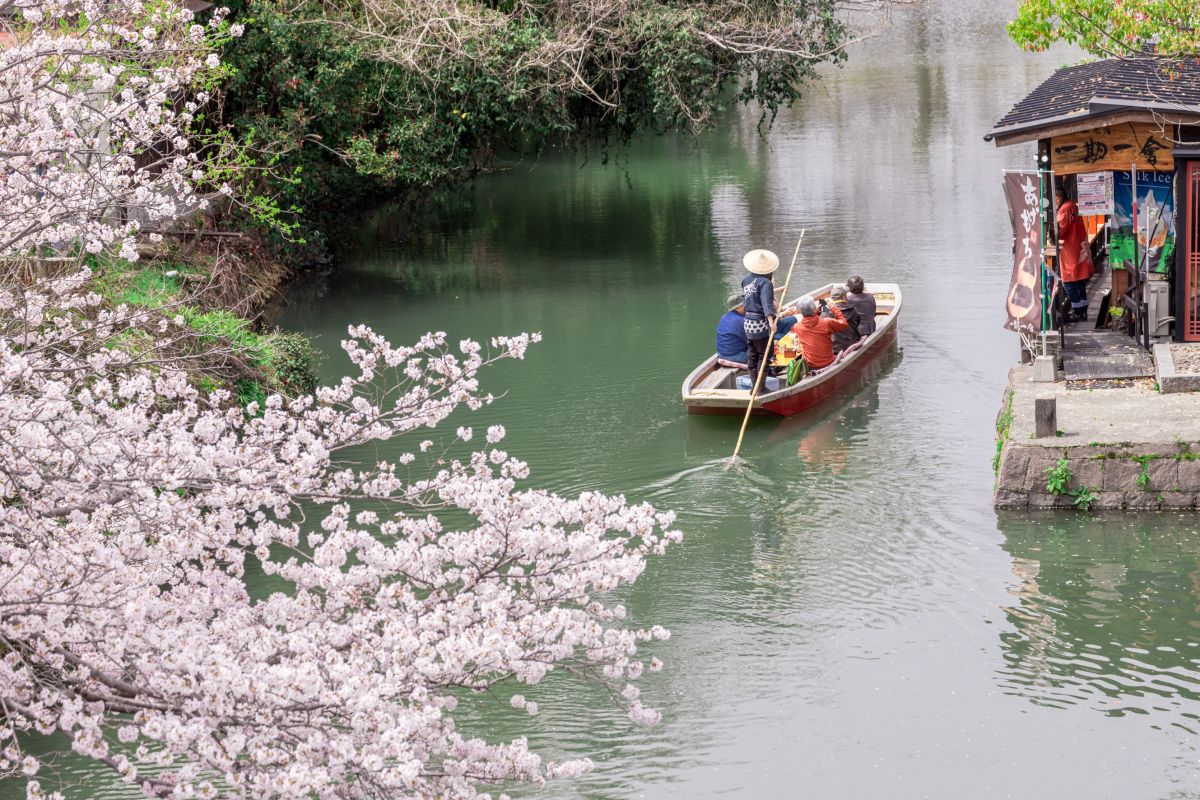
Gliding through history
In Yanagawa, a low-lying town threaded with canals, life drifts at the pace of the unhurried water. Local boatmen steer traditional wooden punts known as donkobune along willow-lined channels, singing folk songs or recounting tales from the samurai era. Afterwards, visitors can experience a stay unlike any other at Ohana, a heritage ryokan built in the Edo period on the former estate of the Tachibana family – once feudal rulers of the Yanagawa domain and now cared for by their 18th-generation descendants. Sleeping behind paper-thin sliding doors, walking across tatami floors and wandering riverside gardens offers a rare glimpse into the elegance of a timeless Japan.
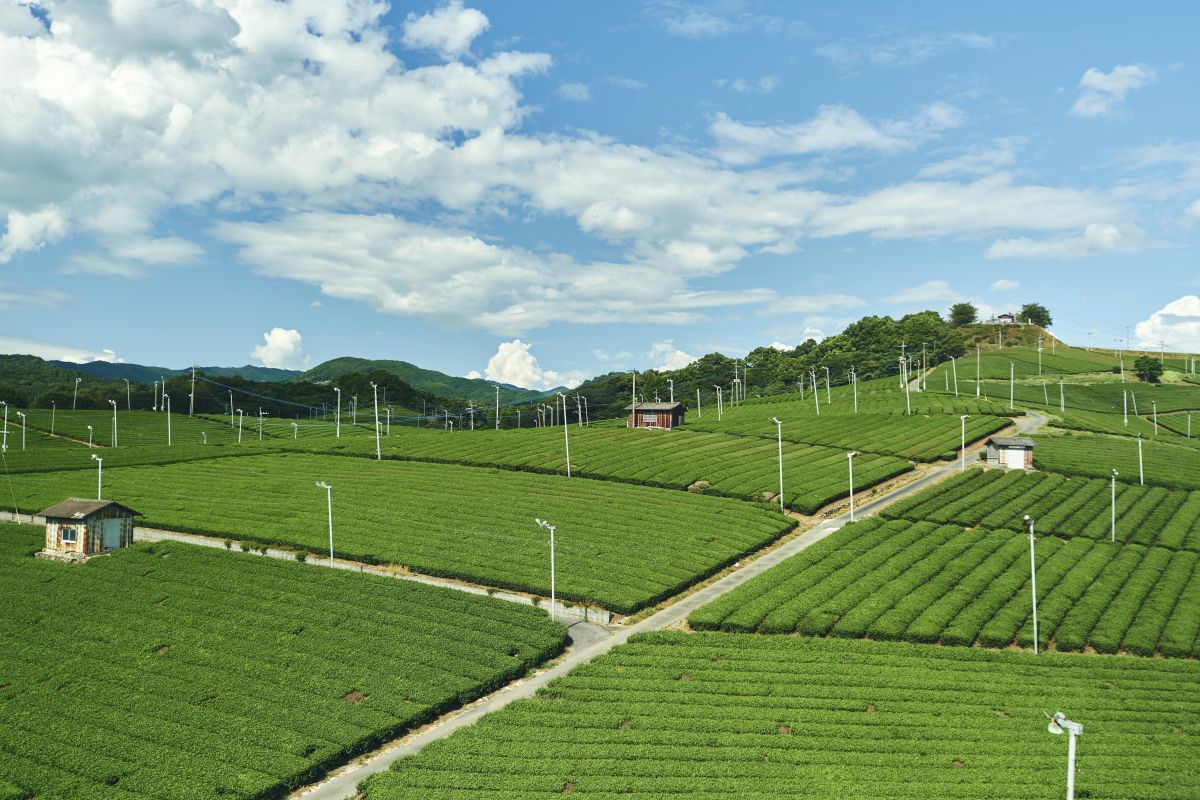
The art of the tea leaf
Just south of Yanagawa, amid the rolling hills of Yame, lies one of Japan’s most esteemed tea-growing regions. Renowned as the country’s leading producer of gyokuro – the highest grade of green tea – Yame is celebrated for leaves that yield a deep umami flavour, natural sweetness and silky-smooth texture. This exceptional quality is achieved through a meticulous cultivation method in which tea plants are shaded from sunlight for several weeks before harvest, a process that heightens both flavour and aroma. Mornings here begin in a gentle mist, and evenings often close with cups of gyokuro, rich with umami. Travellers are welcomed onto family-run farms and tea houses to pick, taste and tour, experiencing centuries of craftsmanship in every step of production.
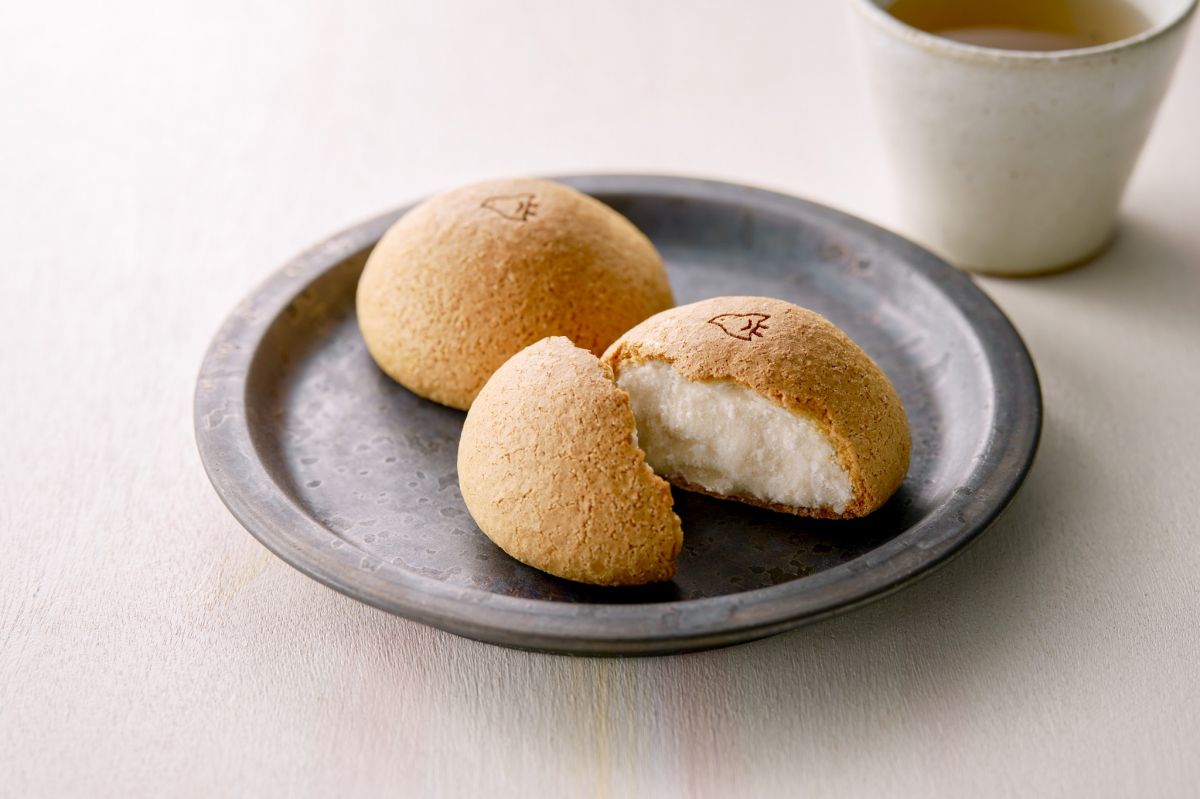
A road paved with sugar
History is honoured in Fukuoka in unexpected ways. Take the ‘Sugar Road,’ a centuries-old trade route that carried sugar inland from the port of Nagasaki. Along the way, confectioners crafted delicate sweets from the passing cargo and, intriguingly, developed a sweeter style of soy sauce that underpins much of Kyushu cuisine and appeals to European palates. The region is also renowned for its miso culture – miso being a fermented paste made from soybeans, rice or barley, and a cornerstone of the Japanese diet for centuries. Beyond its deep, savoury flavour, miso provides vital protein and probiotics, with local Kyushu varieties ranging from robust and earthy to mellow and subtly sweet. It continues to shape everyday dishes, from simple miso soup to rich noodle broths, while preserving culinary traditions passed down through generations.
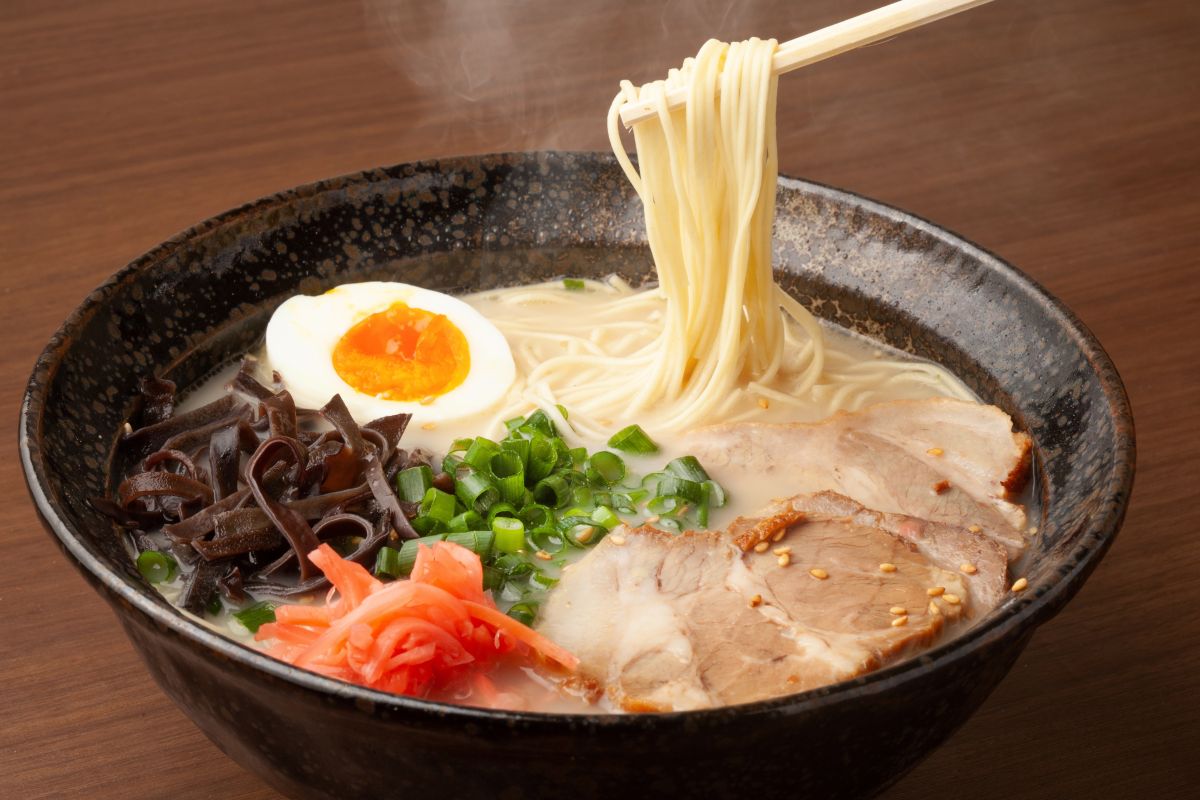
Rich with culinary diversity
Fukuoka’s passion for food is evident everywhere, from local markets to innovative culinary initiatives across the region. In the city, beloved yatai – open-air stalls serving everything from ramen to grilled skewers – are actively protected by local authorities. The city is also the birthplace of tonkotsu ramen, a rich pork-bone broth that has become one of Japan’s most iconic dishes. Further north, Kitakyushu has earned the nickname ‘Sushi Capital,’ with programs celebrating and preserving its culinary heritage. These efforts show a deep respect for tradition while encouraging innovation.
Increasingly, dining is becoming more inclusive, with vegetarian and vegan options on the rise and an English-language map launched this summer to guide international visitors - available here.

Travelling light, travelling slow
Getting around the region is refreshingly straightforward. The new ‘Yoka Bus’ service, designed with independent travellers in mind, connects smaller towns and attractions that might otherwise be overlooked, offering a genuine invitation to venture beyond the mainstream sights.
Fukuoka doesn’t demand to be experienced all at once; it invites you to savour, explore and embrace a slower, more authentic side of Japan.
Learn more at Visit Fukuoka, and follow Facebook and Instagram.
Sponsored by Visit Fukuoka

Subscribe and view full print editions online... Subscribe