Get Premium access to all the latest content online
Subscribe and view full print editions online... Subscribe

From coast to city, Australia’s food culture reflects the country’s remarkable variety of landscapes, ingredients and influences. Each state brings its own character to the table.
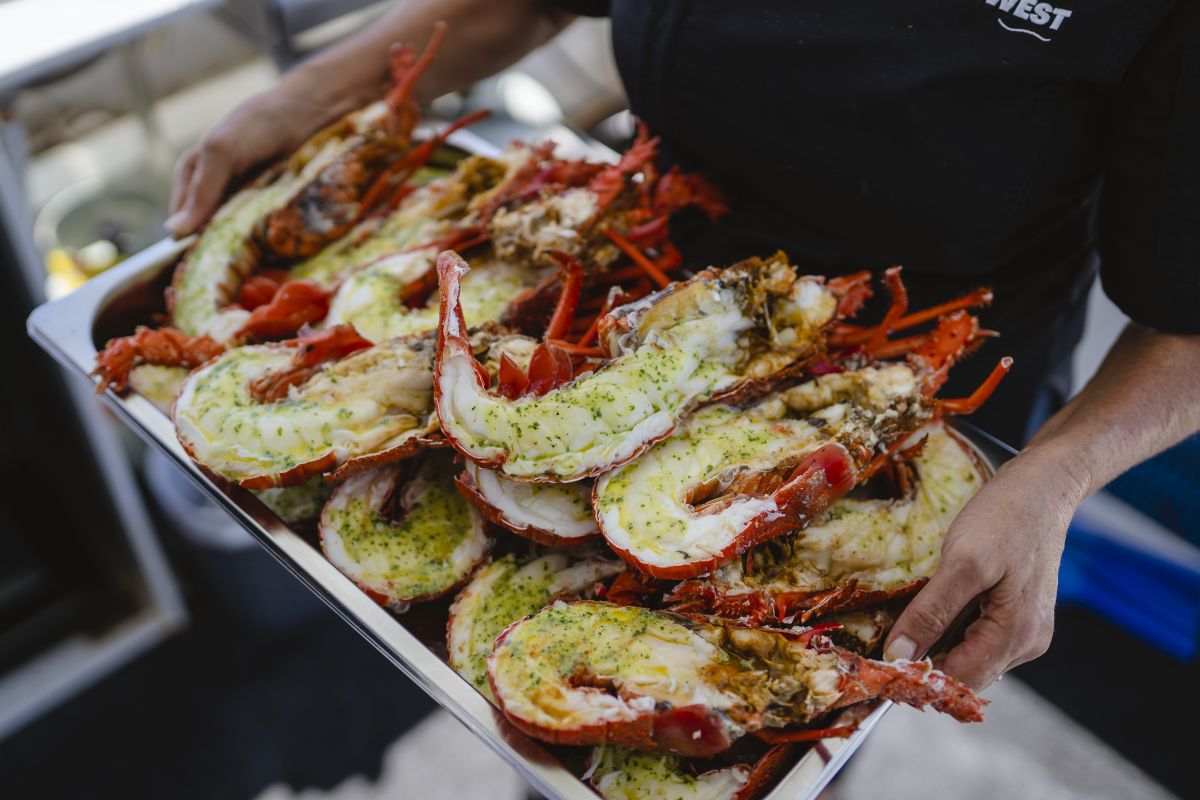
Western Australia for coastal cooking
Australia’s vast coastline gives each state its own relationship with the sea. In Western Australia, the Indian Ocean and Southern Ocean provide a remarkable range of fresh, local seafood, from Western Rock Lobster to West Australian Dhufish. Along the coast and inland waterways, restaurants work closely with local catches, serving seafood that reflects the surrounding landscape. In Perth, top-quality restaurants like The Shorehouse and Madalena’s put seasonal seafood at the centre of the menu, while Margaret River’s award-winning Blue Manna showcases the region’s delicious produce through modern Australian cooking.
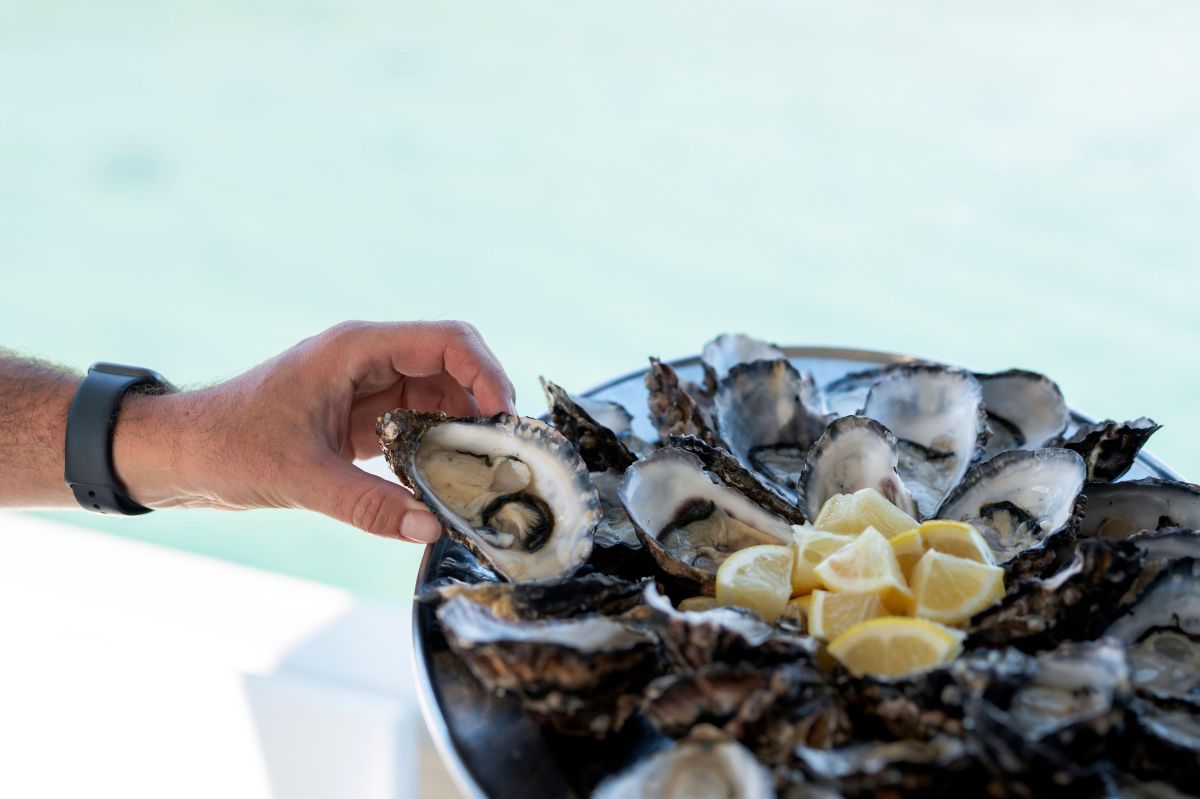
New South Wales for waterfront dining experiences
Sydney’s food culture reflects the city itself: diverse, outward-looking and shaped by its relationship with the water. Its restaurants draw on the many communities that call the city home, from neighbourhood cafés and casual dining spots to some of Australia’s most ambitious kitchens. Along the harbour and beaches, the setting is inseparable from the experience, with places such as Harbourfront Seafood Restaurant in The Rocks and Icebergs Dining Room and Bar in Bondi making the most of Sydney’s coastal identity. An easy diversion along the South Coast of New South Wales from Sydney, Australia’s Oyster Coast then provides the setting for memorable tasting experiences pairing fresh oysters with wines from the Shoalhaven wine region.

Queensland for vibrant tropical flavours by the coast
From the lush tropical north to the subtropical south, Queensland’s food culture is defined by bright, fresh and bold flavours inspired by its climate and coastline. Think sun-ripened fruits, freshly caught seafood and native ingredients that bring a distinctly tropical twist to every dish. Brisbane’s riverside dining and café scene offers a more relaxed take, while coastal hotspots like the Sunshine Coast and Noosa showcase fresh, flavour-led menus and beachside dining. Further north, the tropical setting truly comes to life at NuNu Restaurant in Palm Cove, where dishes celebrate the region’s unique flavours and relaxed lifestyle.

Tasmania for cool-climate produce and artisan food trails
Tasmania’s culinary culture is shaped by its environment, with seafood, dairy and cool-climate produce at its core. Cheeses, truffles, whiskies and oysters feature across a dining scene that ranges from restaurants to farms and markets. Hobart and Launceston – the latter a Unesco City of Gastronomy – act as focal points, each with a strong network of producers and restaurants connected to the surrounding landscape. Highlights include Freycinet Marine Farm, known for freshly harvested shellfish, and the Tamar Valley, where wineries reflect the island’s cool climate.
[Image credit: Oscar Sloane]

Victoria for produce-led escapes and cellar-door lunches
Victoria’s food culture spans Melbourne’s café scene and a broader landscape of producers and restaurants shaped by place. In the Yarra Valley, locally made cheeses and cool-climate wines sit alongside orchards and farms; on the Mornington Peninsula, coastal produce defines much of the dining. Further west, Brae in Birregurra has become one of the region’s most noted restaurants, with menus built closely around seasonal produce. Across the state, producers such as CherryHill Orchards and Long Paddock Cheese work alongside restaurants including Brae and Bistro Terroir, where local ingredients guide the cooking.

South Australia for food and wine gourmands
South Australia is the country’s largest wine-producing state, accounting for nearly half of Australia’s output across 18 regions including Barossa, Adelaide Hills, McLaren Vale and Clare Valley. Cellar doors across these areas offer tastings alongside a food culture rooted in markets, farms and restaurants working closely with local producers. In Adelaide, Central Market remains a key point of reference for regional ingredients, while the nearby Adelaide Hills offers established wine routes. Further afield, Kangaroo Island’s produce-driven dining reflects the state’s wider connection between landscape and food.
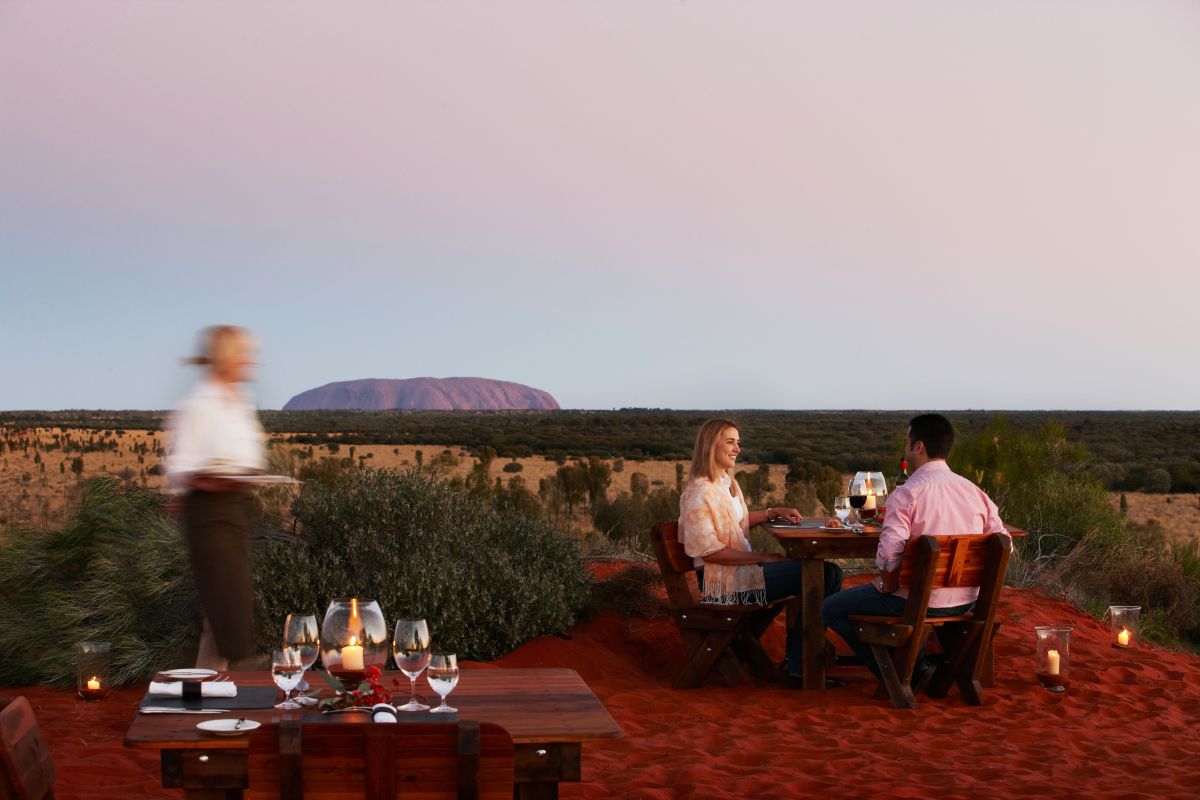
Northern Territory for outback dining and tasting native ingredients
The Northern Territory’s food culture spans native ingredients, stunning al fresco settings, street markets and an eclectic food heritage. In Darwin, tropical produce and fresh seafood shape a diverse and colourful food scene, with operators such as Darwin Gourmet Tours introducing visitors to regional ingredients. Must dos are the Mindil Beach Sunset Markets and dinner aboard a harbour cruise. In the Red Centre, Aboriginal cooking traditions incorporate native ingredients, with guides sharing knowledge of indigenous foods and culture around both Uluru and Alice Springs. Dining in the region includes the famous desert dining experience, Sounds of Silence, along with the upscale Tali Wiru, both set against the backdrop of Uluru and Kata Tjuta.
Whether you visit one state or travel more widely, Australia’s food culture reveals something compelling wherever you stop. Discover more here.
To plan your Australian odyssey, call Trailfinders on 020 7084 6500 or visit one of their travel centres. Click here to view Trailfinders' Australia holidays & latest offers and book your getaway today.
Sponsored by Trailfinders

Subscribe and view full print editions online... Subscribe